8 min read · Published: April 29, 2024 · Updated: October 29, 2026 · Prices and details checked: October 2026
Maltese food is farmhouse and fishing-village cooking with Sicilian, Arab and British influences, and its best dishes often cost only a few euros. Eat pastizzi at the counter, rabbit in a village restaurant and fresh fish in Marsaxlokk and you have understood the essentials. Here are the dishes worth your time and where to find them.
Key takeaways
- Pastizzi (flaky pastries filled with ricotta or mushy peas) are the cheapest meal in Malta, sold in every pastizzerija for small change.
- Fenek (rabbit) is the national dish. The village restaurants of Mġarr in the north west are known for it, and a rabbit dinner shared in a group is a fenkata.
- Lampuki (dorado) are in season only from late August into late autumn, served as fillets or baked into a lampuki pie with spinach and olives.
- The Marsaxlokk fish market takes place on Sunday mornings, and the restaurants along the harbour serve the catch all day.
- Kinnie (a bitter orange soft drink) and Cisk (lager) go with every Maltese meal and are stocked in every bar and restaurant.
Table of contents
- What makes Maltese food different?
- Which dishes belong on your list?
- Where do you eat the best fish in Marsaxlokk?
- What should you eat in Valletta and where?
- Where do you eat well in Sliema and St. Julian’s?
- Is Mdina worth it for the food or only for the views?
- What do you drink with a meal in Malta?
- When and where are the food festivals?
- FAQ
What makes Maltese food different?
Maltese food blends Sicilian pasta and vegetable dishes, Arab spices and British habits such as pies into something of its own. The base is whatever grows on a dry island or comes out of the sea: tomatoes, capers, olives, beans, sheep’s cheese, bread and fish.
Meat was historically expensive, which is why rabbit plays such a large role, while fish always came ashore fresh in Marsaxlokk and Marsaskala. Expect large portions and hearty dishes.
Which dishes belong on your list?
Seven dishes are enough to get to know Maltese food: pastizzi, ħobż biż-żejt, ftira, fenek, lampuki, ġbejniet and imqaret. Everything else is a bonus.
Pastizzi are diamond-shaped flaky pastries filled with ricotta (tal-irkotta) or mushy peas (tal-piżelli). The Maltese eat them at any time of day, warm from the paper bag.
Ħobż biż-żejt literally means bread with oil: a thick slice of Maltese sourdough rubbed with tomato paste (kunserva) and topped with olive oil, capers, olives, onions and often tuna. Cafés and beach kiosks have it on the menu.
Ftira is the ring-shaped Maltese sourdough bread, and the craft of baking it has been on the UNESCO list of intangible cultural heritage since 2020. On Gozo, ftira also means a topped flatbread from the oven, often with thin potato slices, tomatoes, ġbejniet and anchovies, closer to a pizza than a loaf.
Fenek is rabbit, usually braised in wine and garlic (stuffat tal-fenek) or fried (fenek moqli). The first course is spaghetti with the braising sauce, then the meat arrives with potatoes. Eaten together in a group, this is the fenkata.
Lampuki is the dorado, also known as mahi-mahi. It passes Malta from late August and is caught into late autumn. Fried as a fillet or baked into torta tal-lampuki, a pie with spinach, cauliflower, olives and capers, it is the dish of the season.
Ġbejniet are small round cheeses made from sheep’s or goat’s milk, mostly from Gozo. They come fresh (friski), dried (moxxi) or rolled in pepper (tal-bżar).
Imqaret are deep-fried pastries filled with dates, sold hot at the stalls by the City Gate in Valletta. Save aljotta (fish soup), bragioli (stuffed beef olives), timpana (baked pasta in a pastry crust), kapunata, bigilla (broad bean dip) and the honey rings qagħaq tal-għasel for your second visit.
Combine your trip with a hotel in Malta
Flight plus hotel in Sliema, St. Julian's or Gozo for your dates and budget.
Show Malta offersWhere do you eat the best fish in Marsaxlokk?
In Marsaxlokk in the south east of Malta you eat fish right where it is landed: the restaurants line the harbour promenade, and the fish market takes place there on Sunday mornings. Arrive early for the widest choice. As the morning goes on, the fish market turns into a general market with clothes, honey and souvenirs, and the fish moves onto the restaurant plates.
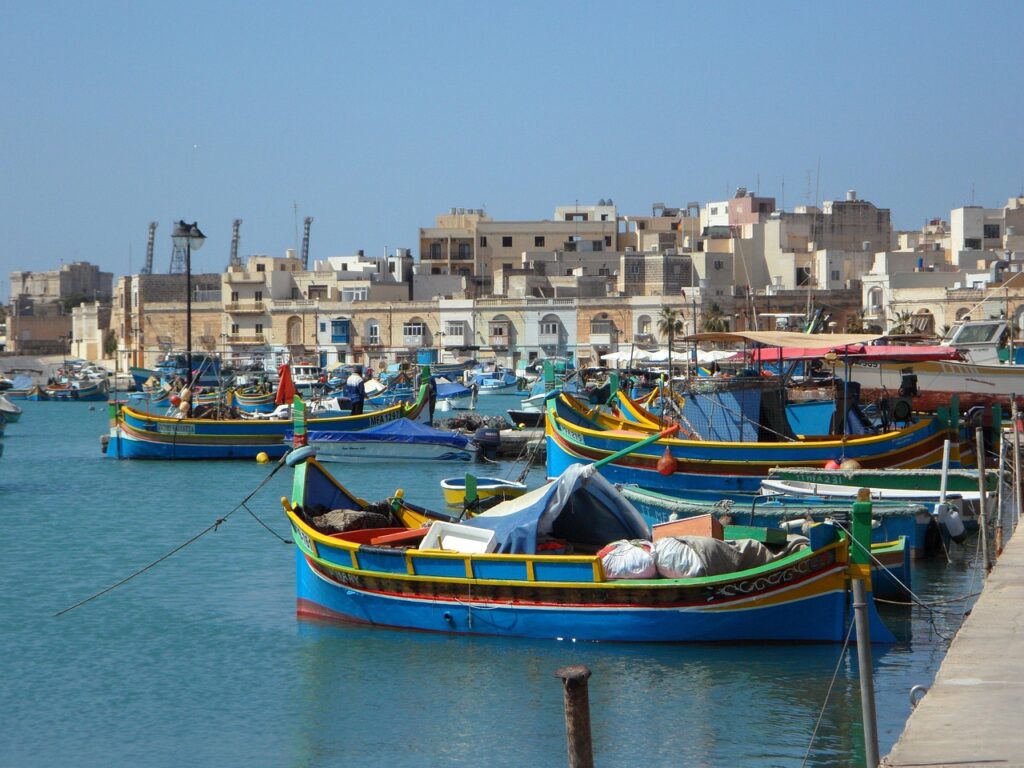
Order what is in season: lampuki in autumn, otherwise sea bream, grouper (ċerna), swordfish or octopus as stuffat tal-qarnit. Many restaurants charge fish by weight, so ask for the price per kilo before you order.
From Valletta you reach Marsaxlokk directly by public bus. A single journey costs 2.00 euros in winter and the ticket is valid for two hours with free changes. We would leave the hire car at home on Sundays, because parking is scarce on market day.
What should you eat in Valletta and where?
In Valletta the best place to eat is where the locals have lunch: in the small pastizzerias, in the Is-Suq tal-Belt market hall on Merchants Street and in the restaurants off Republic Street. The main street itself cooks mainly for visitors.
Is-Suq tal-Belt is the city’s old market hall, reopened in 2018 as a food hall with several stands for Maltese and international dishes, a good address when everyone in the group wants something different.
Imqaret are sold at the stalls by the City Gate, right behind the bus terminus. Strait Street, once the entertainment strip of the British navy, is now the city’s bar and restaurant lane, with modern takes on Maltese food in the evenings. Many kitchens in Valletta close in the afternoon, so between lunch and dinner you will find pastizzi but rarely a hot meal.
Where do you eat well in Sliema and St. Julian’s?
Sliema and St. Julian’s have the densest choice of restaurants on the island, so this is where you eat when you want choice rather than one specific dish. The seafront from Sliema to Spinola Bay is lined with cafés and restaurants, and Balluta Bay and Spinola Bay are the classic spots for dinner by the water, at western European city prices.
For the Maltese side of things, walk a street or two inland: the pastizzerias and bakeries in the side streets sell pastizzi, ħobż biż-żejt and ftira at local prices. For dinner in Valletta, the Sliema ferry costs 3.00 euros one way for adults and runs every 30 minutes.
Is Mdina worth it for the food or only for the views?
Mdina is worth it for the food mainly because of the pastizzerias in neighbouring Rabat and the cafés on the bastions with a view across half the island. Inside the walls there are only a few restaurants, and they are in demand accordingly.
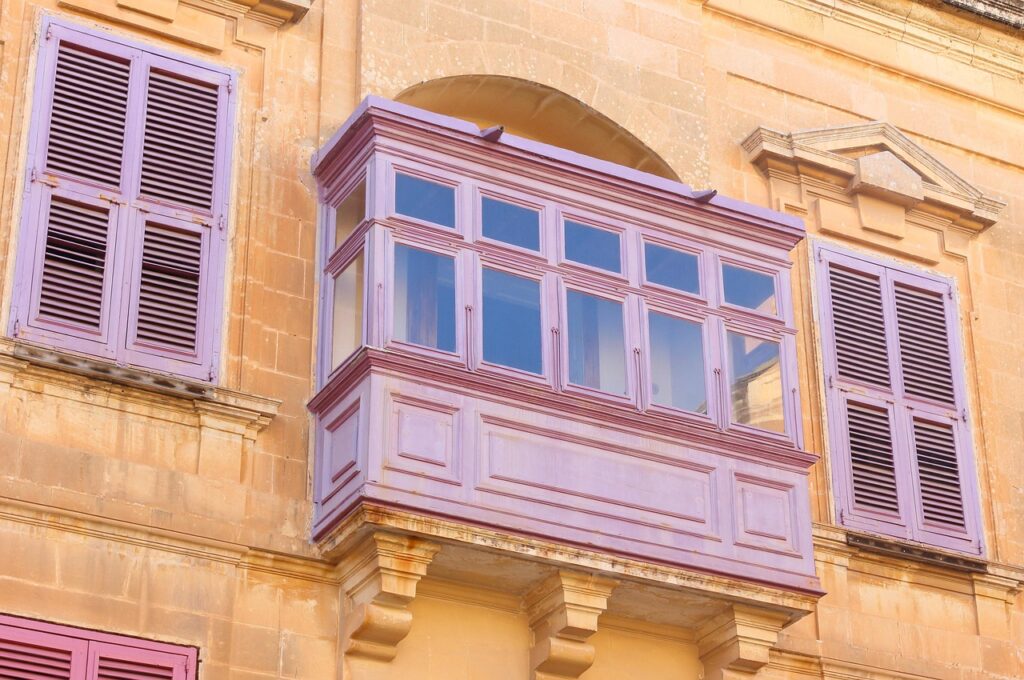
Rabat lies directly outside Mdina’s main gate and is regarded by the Maltese as the home of the best pastizzi. In Mdina itself the cafés on the bastions are known for cake with a view. For dinner we recommend booking, because the town has only a handful of kitchens, and after dark Mdina is at its best.
What do you drink with a meal in Malta?
With a meal in Malta you drink Kinnie or Cisk, and with a better meal a wine made from the native grapes Ġellewża and Girgentina. All four are available everywhere, from the pastizzerija to the restaurant.
Kinnie is a soft drink made from bitter oranges and herbs, on the market since 1952 and for many Maltese the national drink. It is more bitter than orangeade and goes well with pastizzi. Cisk is the Maltese lager, brewed since 1929 by the same brewery that makes Kinnie.
Girgentina is a white grape and Ġellewża a red one, and both grow only on Malta and Gozo. The wineries also grow international varieties, but the native grapes make the wines you cannot get at home. The local digestif is bajtra, a prickly pear liqueur.
When and where are the food festivals?
Most food experiences in Malta follow the season and the village feasts: lampuki in autumn, strawberries in spring in Mġarr, fish in summer in Marsaxlokk. Dates change from year to year, so check them before you travel.
The strawberry festival Festa Frawli in Mġarr takes place every spring. In summer the villages celebrate their church feasts, the festi, with stalls selling imqaret, nougat and grilled meat. Which festa falls when is covered in our Malta festivals guide.
Cooking classes run as half-day programmes with a market visit, best when a Maltese cook does the teaching. More places away from the usual routes are in our article on the hidden gems of Malta.
FAQ
What is the national dish of Malta?
The national dish is fenek, rabbit, usually braised in wine and garlic. Traditionally it is eaten as a fenkata in a group: first spaghetti with the rabbit sauce, then the meat.
Is food in Malta expensive?
Simple Maltese food is cheap, and pastizzi and ħobż biż-żejt cost only a few euros. Fish in Marsaxlokk and restaurants in Valletta, Sliema and St. Julian’s are priced at the level of western European cities.
Can vegetarians eat well in Malta?
Yes, many traditional dishes are meat-free anyway: pastizzi with ricotta or peas, ħobż biż-żejt without tuna, bigilla, kapunata, ġbejniet and the Gozitan ftira. Fully vegan options are found mainly in Valletta, Sliema and St. Julian’s.
When is lampuki season?
Lampuki season starts in late August and lasts into late autumn, roughly until November or December. During this time the fish is on almost every menu in Marsaxlokk.
Do you tip in Maltese restaurants?
Tipping is not compulsory but customary: for good service you round up or add a small amount. Check the bill, as some restaurants in tourist areas already add a service charge.
Plan your meals around the places: Marsaxlokk on Sundays, Rabat and Mdina in the morning, Valletta in the evening. The Sunday market sells to anyone, so if you want to cook the fish yourself you need a kitchen, and our holiday apartments in Sliema and St. Julian’s are a few minutes by bus or ferry from Valletta.
Image credits: Pexels; Pixabay / Efraimstochter; Pixabay / 2427999
 Seychelles with Kids: Beaches, Reserves and Turtles
 A Week on a Yacht: Daily Life, Space, Seasickness and Cost
 Things to Do in Pretoria: A Day Trip Plan from Johannesburg
 Sicilian Cuisine: What to Eat, Drink and Order in Sicily