9 min read · Published: May 19, 2024 · Updated: October 29, 2026 · Prices and details checked: October 2026
The quietest corners of Malta are rarely far from Sliema or St. Julian’s by bus, and most of them cost nothing to visit. This guide names the places we send our own guests to once they have seen Valletta and the Blue Lagoon, with the way there without a hire car and the catch for each.
Key takeaways
- The best swimming spots away from the crowds are Għar Lapsi on the south coast, St Peter’s Pool near Marsaxlokk and Wied il-Għasri on Gozo, all reachable by bus plus a walk.
- The Three Cities (Birgu, Senglea, Cospicua) lie opposite Valletta and are a short hop away by traditional dgħajsa water taxi from the Valletta waterfront.
- The Ħal Saflieni Hypogeum in Paola admits only ten visitors at a time, so tickets go early; book through Heritage Malta before you fly.
- Gozo is a 25 minute ferry crossing from Ċirkewwa and has the oldest temples in Malta (Ġgantija, about 3600 BC) plus the emptiest coastline.
- Marsaxlokk fish market runs on Sunday mornings; go early, as the stalls turn to souvenirs by midday.
Table of contents
- Which quiet swimming spots are worth the bus ride?
- Why visit the Three Cities instead of staying in Valletta?
- What is there on Gozo apart from the ferry queue?
- Which prehistoric sites do you need to book ahead?
- Where do you eat like a local rather than a tourist?
- How do you get to these places without a hire car?
- FAQ
Which quiet swimming spots are worth the bus ride?
Għar Lapsi, St Peter’s Pool and Wied il-Għasri give you clear water without the sunbed rows of Golden Bay or the Blue Lagoon. None of them has sand, so bring water shoes and a towel to sit on.
Għar Lapsi is a small rocky inlet below Siġġiewi, with a natural pool sheltered by rock and a sea cave you can swim through on calm days. Bus route 109 via Siġġiewi has a stop called Lapsi, but it runs only a few times a day, so check the timetable on publictransport.com.mt before you go and allow for a walk down to the water. There is a kiosk and one restaurant above the cove, nothing else.
St Peter’s Pool is a flat limestone shelf on the Delimara peninsula, a long walk from Marsaxlokk bus stop or a short shared taxi. The sea is deep straight away, so weak swimmers should stay on the rock.
Wied il-Għasri on Gozo is a narrow sea inlet at the end of a gorge, reached by a stair cut into the rock. It is a walk from the bus stop at Żebbuġ (Gozo) and rarely busy even in August. Skip it on days with a northerly swell, when waves funnel into the inlet.
Why visit the Three Cities instead of staying in Valletta?
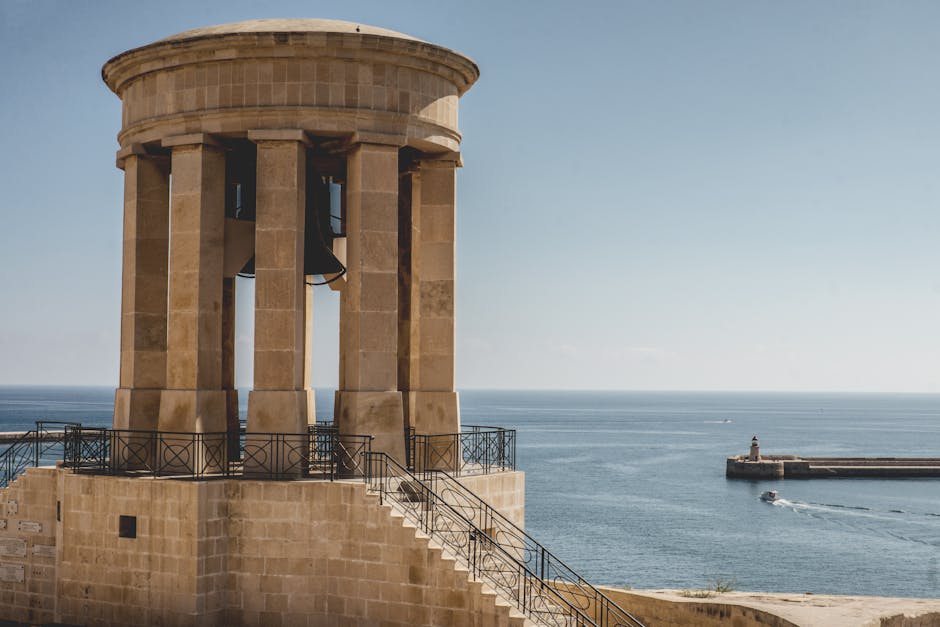
The Three Cities are older than Valletta, have the same harbour views from the opposite side, and receive a fraction of the visitors. Start with Birgu (Vittoriosa): the Knights of St John lived here before Valletta was built in the 1560s.
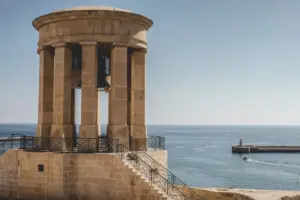
Cross by dgħajsa, the wooden water taxi that leaves from the Valletta waterfront below the Upper Barrakka Gardens. The crossing is short and costs a few euros per person one way; agree the price before you step in. The Upper Barrakka lift saves you the climb back: a return ride costs 1 euro, and it is free for children under 10 and for anyone holding a valid Three Cities to Valletta ferry ticket.
In Birgu, walk the Collachio quarter behind the Inquisitor’s Palace, where the streets are barely two metres wide. Fort St Angelo at the tip is far less crowded than Fort St Elmo in Valletta, and Senglea’s Gardjola Gardens give the best single photograph of the Grand Harbour.
Combine your trip with a hotel in Malta
Flight plus hotel in Sliema, St. Julian's or Gozo for your dates and budget.
Show Malta offersWhat is there on Gozo apart from the ferry queue?
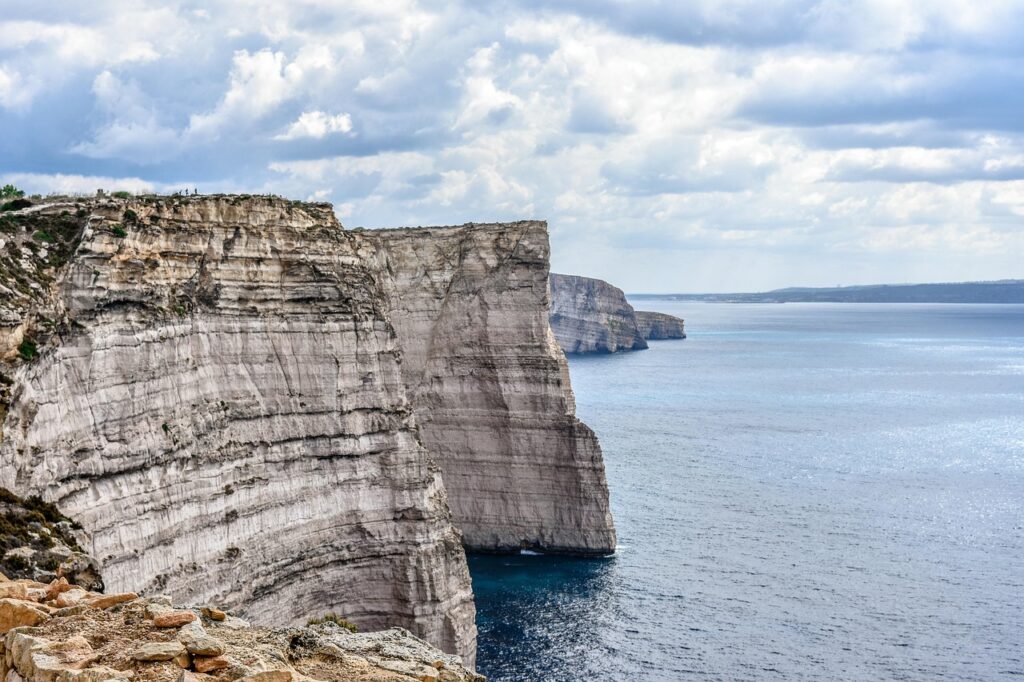
Gozo has the oldest free-standing monuments in Malta, the emptiest coast and a slower pace in every village. Plan a full day, because the ferry and the Gozo buses eat into your time.
The ferry runs from Ċirkewwa to Mġarr on Gozo, takes about 25 minutes and is paid on the Gozo side only: the foot passenger fare is 4.65 euros and covers the round trip. From Sliema, bus 222 goes directly to Ċirkewwa; it stops often, so allow plenty of time. A fast ferry for foot passengers also runs from Valletta to Mġarr in about 45 minutes.
Ġgantija Temples near Xagħra date from about 3600 to 3200 BC, older than Stonehenge and the Egyptian pyramids; the small museum at the entrance explains the site better than the signs on the stones. Entry costs 10 euros for adults and includes the Ta’ Kola windmill. For the coast, head to Dwejra for the Inland Sea, a lagoon linked to the open sea by a tunnel through the cliff. The Azure Window collapsed in 2017, so ignore older guides that send you there. Our Gozo guide covers the villages and the citadel in Victoria: Gozo guide
Which prehistoric sites do you need to book ahead?
Only the Ħal Saflieni Hypogeum requires advance booking, because Heritage Malta admits no more than ten people at a time to protect the underground chambers. Everything else can be visited on the day.
The Hypogeum is in Paola, a short bus ride from Valletta, and is a three level burial complex carved into the rock around 4000 to 2500 BC. Tickets are sold on heritagemalta.mt and cost 35 euros for adults, 20 euros for ages 12 to 17 and for over 60s and 15 euros for children aged 6 to 11; younger children are not admitted. Heritage Malta advises booking early. If you miss out, a limited number of last-minute tickets for the next day are sold at 50 euros at Fort St Elmo and a few other Heritage Malta sites, first come first served.
Ħaġar Qim and Mnajdra, near Qrendi on the south coast, are two temple complexes a short walk apart, sold on one combined ticket for 10 euros per adult, with children aged 6 to 11 paying 5.50 euros and younger children going free. Visit late afternoon when the coach groups have left. A bus from Valletta stops at the visitor centre.
Less visited still are the cart ruts at Misraħ Għar il-Kbir, known as Clapham Junction, above Dingli: parallel grooves worn into the bedrock, of unknown purpose and age, free to enter. Combine them with Buskett Gardens, Malta’s only sizeable woodland, and Dingli Cliffs, the island’s highest point at around 250 metres.
Where do you eat like a local rather than a tourist?
Eat where the menu is short, the bread is Maltese ħobż and rabbit (fenek) is cooked slowly in wine. The inland villages and the fishing harbours do this better than the Sliema seafront.
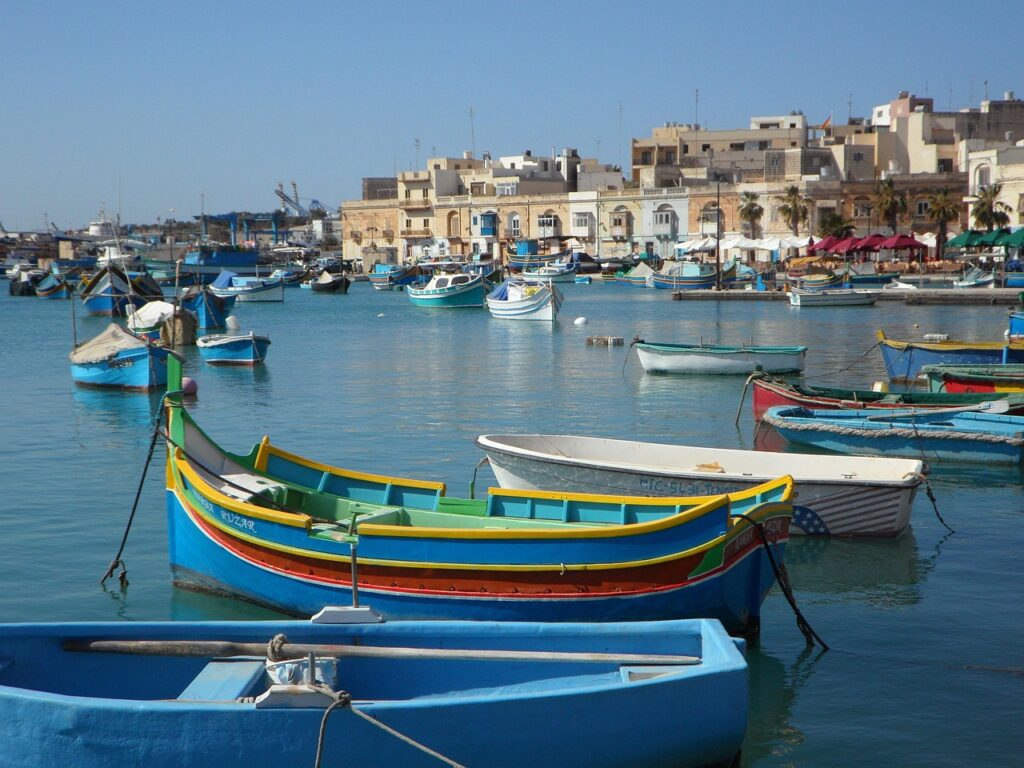
Marsaxlokk is the obvious place for fish, but go on a weekday evening rather than the Sunday lunch rush, and order lampuki (dorado) in autumn or aljotta, the fish soup. For rabbit, the restaurants around Mġarr (the village in Malta, not the Gozo port) and Baħrija have fed Maltese families for decades, which beats any online rating.
Pastizzi, flaky pastries filled with ricotta or mushy peas, cost very little from a pastizzerija and are the right breakfast before a long walk. For more on Maltese food see our article on Maltese food
How do you get to these places without a hire car?
Public buses reach every place in this article, and we advise against a hire car for stays in Sliema or St. Julian’s because parking is scarce and the lanes to small coves are narrow. A single ticket bought from the driver costs 2 euros in winter and 2.50 euros in summer and is valid for two hours with free changes; if you plan several outings, the Explore card gives seven days of unlimited travel on day and night routes for 25 euros and is sold at the sales offices. Routes and timetables are on publictransport.com.mt.
Most routes converge on the Valletta terminus, so trips from Sliema usually involve one change there. Sliema to Valletta is a short ride on bus 13, 14 or 16, or a quick crossing by ferry from the Strand, which runs every 30 minutes and costs 3 euros one way or 5 euros return. Sunday services are thinner, so check the last bus back from Għar Lapsi or Dingli before you set off.
On Gozo, stay on the main bus routes (Victoria, Xagħra, Marsalforn, Dwejra) and share a taxi from Victoria for the last stretch to Wied il-Għasri. Mdina is not hidden, but it empties in the early evening when the day trippers leave; our Mdina guide explains the route through Rabat
FAQ
Is Malta too crowded in summer to find quiet places?
The main beaches and the Blue Lagoon are very busy from June to September, but the spots in this guide stay manageable because they need a walk or a bus change. Go early or late in the afternoon, and prefer the south coast and Gozo. Spring and October give you the same places with fewer people and water still warm enough to swim.
Can I visit Gozo in half a day from Sliema?
Technically yes, but a large part of it goes on buses and the ferry. A full day covers Ġgantija, the citadel in Victoria and one coastal spot; if Gozo matters to you, stay a night or two there.
Are the hidden coves safe for children?
Għar Lapsi has a sheltered pool that suits confident young swimmers, but none of the rocky inlets has lifeguards or a shallow sandy entry. For small children, Għajn Tuffieħa next to Golden Bay is a better compromise between quiet and safe.
Do I need to book anything in advance?
Only the Hypogeum, and that as early as you can. Ġgantija, Ħaġar Qim, Fort St Angelo and the museums sell tickets on the day. The Heritage Malta multisite pass costs 60 euros for adults and 30 euros for children, is valid for 30 days from first use and does not include the Hypogeum, so it only pays off if you plan to visit a good number of their sites.
Is Popeye Village or the Blue Grotto a hidden gem?
No. Both appear on every coach tour, which is why we left them out. The short Blue Grotto boat trip from Wied iż-Żurrieq is still worth it on a calm morning, and from there you can walk to Ħaġar Qim.
What should I pack for a day off the main routes?
Water shoes, at least 1.5 litres of water per person, a hat and sun cream, because most of these places have no shade or shops. Add shoes with grip for the cliff paths and save the return bus timetable before you lose signal.
Pick two or three of these places for your first week rather than trying to see them all; Malta rewards slow days more than ticked lists. If you are still choosing where to stay, our own holiday apartments in Sliema and St. Julian’s sit on the bus and ferry routes used in this guide: holiday apartments in Malta
Image credits: Pexels; Pixabay / Alehandra13; Pixabay / Efraimstochter
 Seychelles with Kids: Beaches, Reserves and Turtles
 A Week on a Yacht: Daily Life, Space, Seasickness and Cost
 Things to Do in Pretoria: A Day Trip Plan from Johannesburg
 Sicilian Cuisine: What to Eat, Drink and Order in Sicily