7 min read · Published: March 11, 2024 · Updated: October 29, 2026 · Prices and details checked: October 2026
Malta is small, but its outdoor options are better than its size suggests: cliff walks on the south-west coast, quiet footpaths on Gozo and Comino, sea-cliff climbing and some of the most accessible diving in the Mediterranean. The main limiting factors are heat and shade, not distance. Plan active days around the weather and you can fit several of them into a single week.
Key takeaways
- Hike the Dingli Cliffs on Malta, the Gozo coast and the paths on Comino. All three are mostly easy to moderate, with little shade.
- Spring and autumn are the best seasons for walking and cycling. In midsummer, start at sunrise or after late afternoon.
- Diving is a year-round activity. Wrecks and sheltered entry points on the north and south coasts suit both beginners and experienced divers.
- Climbing is mainly sea-cliff and crag climbing. Go with a local guide or school unless you already know the rock and the access rules.
- Public buses and the ferries to Gozo and Comino get you to most starting points without a car.
Table of contents
Where are the best hiking trails in Malta?
The Dingli Cliffs on the south-west coast are the best-known walk on the main island, and the cliff path rewards you with open sea views and almost no development. The walk is easy underfoot, but the path is exposed to wind and sun, and the edges are not fenced everywhere. Keep to the path, especially in strong wind.

Two other walks are worth a look on Malta itself. The Victoria Lines follow the Great Fault, a long limestone ridge across the north of the island, with old fortifications along the way and views over both sides of the island. The ground is uneven in places, so wear shoes with grip rather than sandals. Choose the stretch you want, because you do not need to walk the whole line in one go.
Most routes are linear, so check the return bus before you set off. Regular bus fares are listed on the Malta Public Transport fares page. A single ticket costs 2.00 EUR on day routes in winter and 2.50 EUR in summer, and covers transfers for two hours.
What are the best walks on Gozo and Comino?
Gozo is the quieter island for walking, with a rugged coastline, farmland and small valleys. Mgarr ix-Xini, a narrow inlet reached through a valley on the south coast, makes an easy out-and-back walk that ends at a small cove where you can swim. The northern and western coast of Gozo has steeper paths and fewer people, and a full-day coastal walk is realistic if you carry enough water. For the island itself, see our Gozo guide.
Comino is small enough to cross on foot in a short time. Most visitors stay near the Blue Lagoon, but the paths inland and along the coast are quiet outside the middle of the day, and they lead towards the old watchtower on the island. There are very few services on Comino, so bring water, food and sun protection. Our Blue Lagoon guide covers crossing times, crowds and the protected status of the area.
The ferry from Marfa or Cirkewwa to Comino takes about 20 minutes each way, runs roughly every 30 minutes and costs 15.00 EUR return for adults, according to the Comino Ferries Co-Op. Bicycles are carried for 5.00 EUR per item. The co-op is an association of local boat operators, so other operators may differ. The Gozo Channel ferry from Cirkewwa to Mgarr takes about 25 minutes, and a walk-on passenger ticket costs 4.65 EUR as a return fare, bought at Mgarr.

Combine your trip with a hotel in Malta
Flight plus hotel in Sliema, St. Julian's or Gozo for your dates and budget.
Show Malta offersIs rock climbing possible in Malta?
Yes. Malta has limestone sea cliffs and crags on the south and west coasts and on Gozo, and climbers come for the sunny winters and the sea views. The rock is generally good but weathered, and loose sections and wind are real hazards. Most routes are well suited to people who already lead on rock, while beginners are better off booking a guided session.
If you are new to the sport, choose a school or guide who supplies ropes, helmets and harnesses and knows the current access rules. Some cliff areas are protected for nesting birds or are unsafe after rain, and local guides will know which. If you bring your own gear, check airline weight rules before packing. Carry plenty of water, because shade is rare.
Which diving sites and dive schools should you choose?
Malta and Gozo are among the easiest places in the Mediterranean to start diving, because many sites have shore entry, clear water and short boat rides. Wrecks are a main draw: the tugboat Rozi and the patrol boat P29 lie off Cirkewwa in the north, and the Um El Faroud wreck lies off Wied iz-Zurrieq in the south. Gozo has its own sites, including caves and drop-offs.
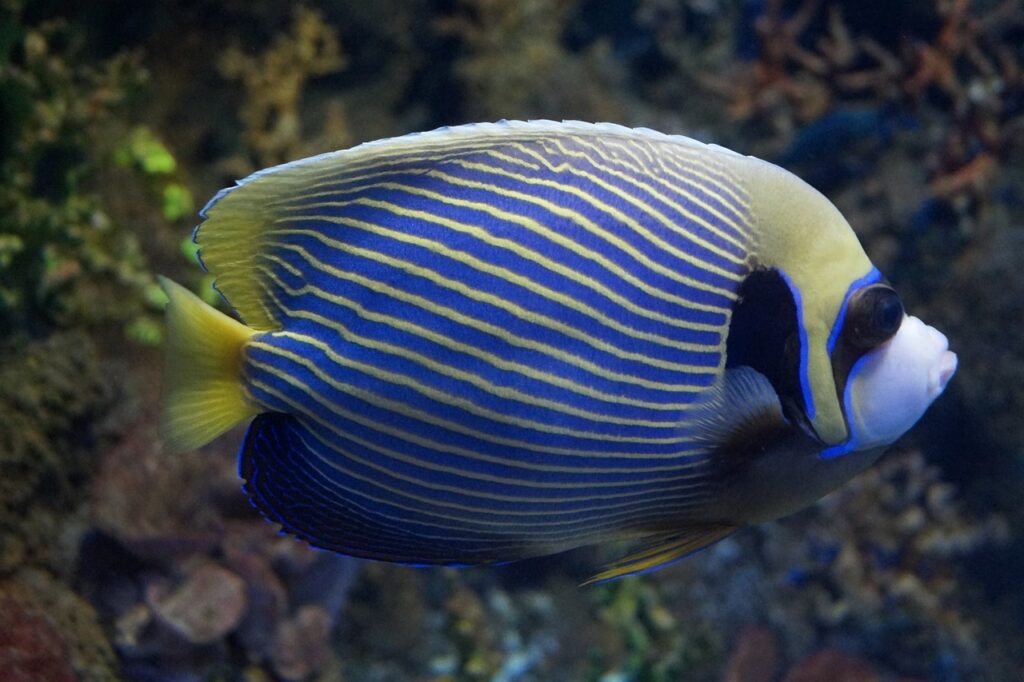
Choose a licensed dive school with a recognised certification system and ask three things before booking: the group size, whether equipment is included and how recent the gear servicing is. Beginners can book a try dive, and certified divers should bring their card and logbook. Conditions can change quickly with the wind, and a good school will move you to a sheltered site if it has to.
Snorkelling is a lower-effort alternative. Rocky coves and sheltered bays near Cirkewwa and on Gozo work well, but wear water shoes and keep clear of boat traffic. Do not swim alone in a swell.
Can you cycle in Malta?
You can, but traffic and hills limit the choice. On Malta, narrow roads and heavy traffic around the towns make cycling stressful, so choose quieter country lanes, the north-west and early mornings. Gozo is easier to enjoy by bike, with lighter traffic and short hills between villages. A bike with several gears makes the climbs manageable.
You can rent bikes on both islands, and e-bikes take the sting out of the hills and the heat. Wear a helmet, carry water and plan your route before you leave. Drivers are not always used to cyclists, so choose lower-traffic routes and avoid rush hours.
How hot is too hot, and what should you pack?
Midsummer midday heat is the main risk for any outdoor plan on the islands. From June to September, walk early or late and swim in the middle of the day. Spring and autumn give the most comfortable conditions for hiking, climbing and cycling.
Pack sturdy shoes with grip, a hat, high-factor sunscreen, a large refillable water bottle and a light layer for wind. On Comino and on remote coastal walks, carry more water than you think you need, because shops and shade are scarce. Check the forecast the evening before, especially for cliff walks, climbing and diving.
FAQ
Do you need a car for outdoor activities in Malta?
No. Buses reach the Dingli Cliffs and most towns near the coast, and ferries link you to Gozo and Comino. A car helps for remote coastal walks and gives more flexibility on Gozo, but parking at popular spots fills up in summer.
What is the best time of year for hiking in Malta?
Spring and autumn are the most comfortable seasons, with warm days and less intense sun. Winter is mild and good for long walks, though rain can make paths slippery. In summer, walk at dawn or in the evening.
Can beginners try diving in Malta?
Yes. Many schools offer introductory dives in sheltered bays with an instructor, and shore entries keep things simple. Ask about group size and equipment before you book.
Is it safe to walk along the cliffs?
Generally yes, if you stay on the path and keep well back from unfenced edges. Wind can be strong on exposed cliffs, and the limestone is slippery when wet. Avoid cliff walks in storms and after heavy rain.
Can you bring a bike on the ferry to Comino?
Yes. The Comino Ferries Co-Op charges 5.00 EUR per item for bicycles. Ask the operator about space on busy summer days, and remember that Comino has few services and no shade at midday.
If you want an active holiday on the islands, a base in Sliema or St. Julian’s gives you good bus and ferry links to most trailheads and dive centres. We rent our own holiday apartments in Sliema and St. Julian’s, and we can help you arrange the rest of your trip through our booking service.
Image credits: Pixabay / 2427999; Pixabay / MarcinCzerniawski
 Seychelles with Kids: Beaches, Reserves and Turtles
 A Week on a Yacht: Daily Life, Space, Seasickness and Cost
 Things to Do in Pretoria: A Day Trip Plan from Johannesburg
 Sicilian Cuisine: What to Eat, Drink and Order in Sicily