7 min read · Published: March 20, 2024 · Updated: October 29, 2026 · Prices and details checked: October 2026
You save the most in Turkey by travelling outside the main season, eating where locals eat and treating museum entry as a budget item of its own. Flights and package prices matter, but most of the difference between a cheap and an expensive trip is made after you land. This guide covers daily spending only, not destinations.
Key takeaways
- Shoulder months (spring and autumn) are the sweet spot on the coasts: warm enough to swim in many places, with lower accommodation prices than in midsummer.
- Domestic flights and long-distance buses are the two realistic ways to cover big distances cheaply. Book both early for popular routes.
- Small family-run guesthouses and pensions usually cost less than resort hotels and often include breakfast.
- A meal at a lokanta (a simple local restaurant) costs far less than the same meal on a tourist street.
- Foreign visitors pay real money at the big Istanbul sights: the Topkapı Palace combined ticket is 2750 ₺, Hagia Sophia is 25 € and the Galata Tower is 30 €. Plan which ones are worth it.
Table of contents
When is the cheapest time to visit Turkey?
It depends on the region, because Turkey’s climates differ more than most visitors expect. For the coasts, the cheapest useful window is the shoulder season, roughly May and June and then September into October. Prices are lower than in July and August, the sea is still warm enough in many places, and the heat is easier to handle for sightseeing.
In winter, beach resorts on the Aegean and Mediterranean coasts run on reduced service, and many smaller hotels and seasonal restaurants close. That makes it a poor choice for a beach holiday, but a good one if you want a city or a base for ruins without crowds.
Region by region:
- Istanbul: busy all year, so the price drop in the colder months is smaller than on the coast. Winter is damp and grey but workable for museums and food.
- Aegean and Mediterranean coast: go in the shoulder season, not in winter, unless you only want ancient sites and quiet towns.
- Cappadocia and central Anatolia: winters are cold, and snow is possible. The lower prices are real, but plan for the weather and for fewer outdoor options.
- Eastern Turkey: cold winters make spring to autumn the practical window, so the saving comes from avoiding the peak weeks rather than from going in winter.
If you are unsure where to base yourself, the Turkey overview compares the regions.
How do you get around Turkey cheaply?
For long distances, domestic flights and intercity buses are the main options, and both are far cheaper if you book ahead rather than at the airport or bus station. Flights save time on routes such as Istanbul to Cappadocia or the east. Buses are slower but reach almost every town and are a normal way for locals to travel.

Within cities and towns, use public transport instead of taxis. In Istanbul the rechargeable Istanbulkart works on the city’s public transport, and the card itself costs 165 ₺. On the coast and in smaller towns, the dolmuş, a shared minibus that follows a set route, is the budget choice for short hops between a resort area and a town centre. Ask the driver or a local where to board.
A rental car only pays off when several people share it and you need to reach places without good bus links. For a city-based trip it adds cost without adding much.

Combine these places with a beach stay on the Turkish Riviera
All-inclusive resorts and city hotels around Antalya, Side and Alanya.
Show Turkey offersWhere do you sleep for less?
Choose a pension (pansiyon), a small family-run hotel or a simple guesthouse instead of a large resort or a hotel in the most central tourist district. Breakfast is often included, which saves a meal. Owners can often help with local transport and tickets.
Two habits keep costs down:
- Stay a few streets away from the main sights. In Istanbul, a neighbourhood a short tram or ferry ride from the old city is typically cheaper than the streets next to the main monuments.
- Check what the price includes. All-inclusive resorts can suit families who would eat and drink a lot on site. If you plan to eat out and spend your days elsewhere, a room with breakfast is usually the better deal.
Confirm the total price including any taxes and fees before you book.
Where should you eat to save money?
A lokanta is the best value in Turkey. These are plain, canteen-style restaurants that serve cooked dishes from a counter or a short menu, with a soup, a main dish and bread at a fraction of a tourist-street restaurant’s price. Look for places that fill up with local workers at lunchtime, where you can point at what you want.
Street food covers the rest of the day:
- Simit: sesame bread rings, a typical breakfast on the go.
- Gözleme: thin flatbread with a filling, cooked while you wait.
- Börek and pide: baked savoury pastries and Turkish-style flatbread, easy to find at bakeries.
- Döner and kebap sandwiches: quick and filling, with the cost depending mainly on the location.
- Tea: served everywhere and an inexpensive drink.
Skip restaurants where someone hands you a menu in the street, and check prices before you sit down.
Which sights are free, and when does a museum pass help?
Many of Turkey’s best experiences cost nothing: walking through old town streets, crossing the Bosphorus on public transport, wandering the bazaar areas, sitting on a seafront promenade and visiting active mosques. Mosques are generally open to visitors outside prayer times; dress modestly. Beaches are public, though sun beds and umbrellas are charged separately.
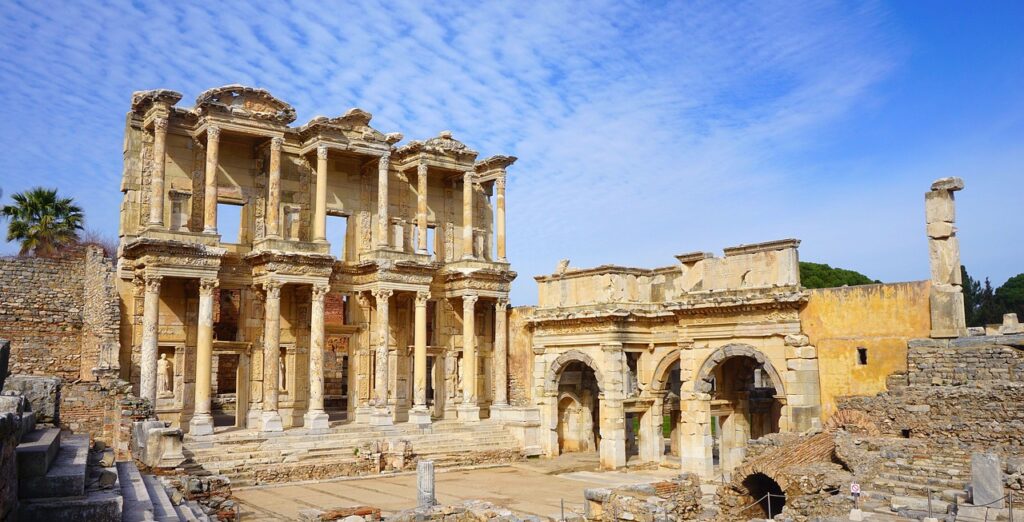
The big monuments are a different matter. For foreign visitors in Istanbul, the official museum pages list the following:
- Topkapı Palace with the Harem: 2750 ₺ for the combined ticket with Hagia Irene, valid for one day and sold only on site.
- Hagia Sophia: 25 € for foreign visitors.
- Galata Tower: 30 € for a single entry on the purchase day.
Those three alone add up quickly, so choose deliberately and check the current price on the official museum site.
The Ministry of Culture and Tourism sells museum passes that can lower the cost if you visit many paid sites. The Museum Pass Istanbul is valid for 5 days (120 hours) from your first entry. The Museum Pass Türkiye covers over 300 museums and is valid for 15 days (360 hours) from your first entry. Check the official page for the current price and the exact list of sites before buying, then compare the total against the separate tickets for the sights you actually plan to see. A pass only pays off if you visit several paid sights within its validity window.
How do you avoid paying more than necessary?
Turkey has a bargaining culture in bazaars and for services without fixed prices, but not in shops with price tags, restaurants or public transport. Where you can bargain, stay friendly, know the rough value of the item and be ready to walk away. Buying a few items from the same stall gives you more leverage.
Before you commit to a tour, compare its price with doing the same trip by bus or dolmuş plus an entrance ticket, which is usually cheaper. Free walking tours exist in larger cities and run on tips, so decide in advance what you can give.
FAQ
Is Turkey a cheap country to travel in?
It can be, particularly outside Istanbul and the busiest resort areas. Transport, local food and simple accommodation are good value if you avoid tourist-focused places. Entry fees for the major historic sites are the exception: foreign visitors pay noticeably more than the cost of everyday items.
What is the cheapest month to go to Turkey?
For coastal trips, May, June, September and October balance good weather with lower prices than the summer peak. Winter is cheapest for hotels, but many coastal businesses are closed, so it suits city and inland trips better than beach holidays.
Are domestic flights or buses cheaper in Turkey?
Buses are generally the cheaper option and reach almost everywhere, but they take much longer on routes such as Istanbul to Cappadocia. A domestic flight booked in advance can compete on price over long distances and saves a lot of time. Compare both for your specific route.
Can you use a museum pass in Turkey?
Yes. The Museum Pass Istanbul is valid for 5 days and the Museum Pass Türkiye for 15 days, both counted from your first entry. They are worth buying only if you plan enough paid visits to cover the price, so check the official list of sites first.
Where to go from here
Before you book, pick your region and your month, then price transport and entry tickets together with the room. If you want help comparing options, Travelissimo books trips worldwide. For city-specific planning, see the Istanbul guide.
Image credits: Pixabay / özlühan; Pixabay / nehayaldesin
 Seychelles with Kids: Beaches, Reserves and Turtles
 A Week on a Yacht: Daily Life, Space, Seasickness and Cost
 Yacht Charter in Malta: What to Know Before You Book
 How to Behave at a Maltese Festa: A Visitor’s Guide