7 min read · Published: September 2, 2023 · Updated: October 29, 2026 · Prices and details checked: October 2026
The Turkish Aegean coast runs from the Çanakkale area in the north to Kuşadası in the south, and the best base depends on what you want: wind and nightlife around Çeşme and Alaçatı, quiet fishing villages near Foça, olive groves and stone houses at Ayvalık, or an easy gateway to Ephesus at Kuşadası. Two islands, Bozcaada and Gökçeada, add a slower option. This guide helps you choose a base, understand the wind and know what to eat.
Key takeaways
- Çeşme and Alaçatı suit windsurfing, kitesurfing and lively evenings; Foça and Ayvalık suit quiet, walkable stays.
- Izmir is the main airport for the central Aegean coast, with Çeşme, Alaçatı and Foça reachable by road.
- The summer north wind (meltem) is strongest in the afternoon, so plan beach time for mornings if you dislike wind.
- Bozcaada and Gökçeada are reached by ferry from the mainland and work best with two or three nights.
- Ayvalık and the Edremit Gulf are olive oil country, and wild greens cooked in olive oil are the signature dish of the coast.
Table of contents
Which town on the Turkish Aegean coast should you choose?
Choose by the trip you want, not by the map. Çeşme and Alaçatı are the active, social choice, Foça and Ayvalık are the calm and photogenic choice, and Kuşadası is the practical base for sightseeing and cruise-style days out.

Çeşme is a resort town on a peninsula west of Izmir, with a castle by the harbour, a marina and thermal springs nearby at Ilıca. It works well if you want a choice of beaches and restaurants within a short drive.
Alaçatı is a few kilometres inland from the coast, a village of restored stone houses with flowering courtyards, boutique shops and herb-focused restaurants. It is lively on summer evenings and the starting point for the windsurfing bay.
Foça is a small harbour town with old stone houses and a relaxed pace. The waters around it are a protected area for the Mediterranean monk seal, so you are more likely to find quiet coves than loud beach clubs.
Ayvalık has a historic centre of former Greek houses, narrow lanes and a long tradition of olive oil and soap making. Cunda (Alibey) Island is joined to the town by a causeway and is known for its seafood restaurants.
Kuşadası is a larger resort and port town. Its beaches are less secluded than those further north, but it is well placed for Ephesus, Şirince and the Dilek Peninsula national park. For the ruins themselves, see our guide to Turkey’s culture and heritage.
What are the best beaches and how windy is the coast?
Expect wind. From early summer into early autumn the north wind called the meltem blows along the Aegean, usually picking up in the afternoon, and it is the reason the coast is a windsurfing and kitesurfing destination.
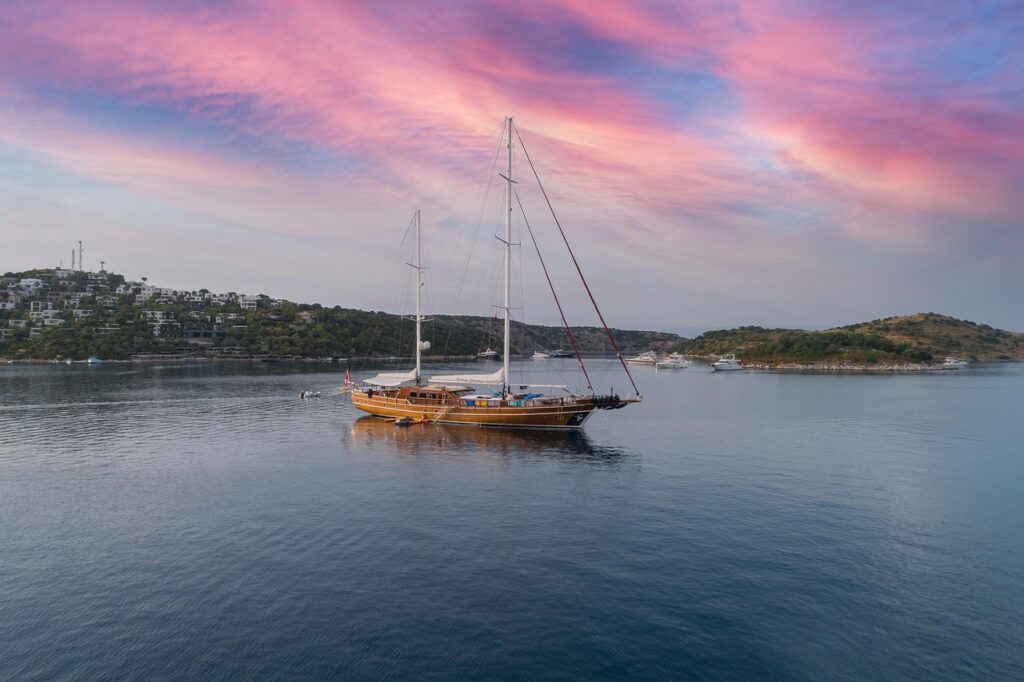
Around Alaçatı the shallow, sheltered bay suits learners, while stronger wind further out suits experienced riders. If you prefer calm water for swimming, choose a bay facing away from the wind, go in the morning, and ask your hotel which side of the peninsula is sheltered that day.
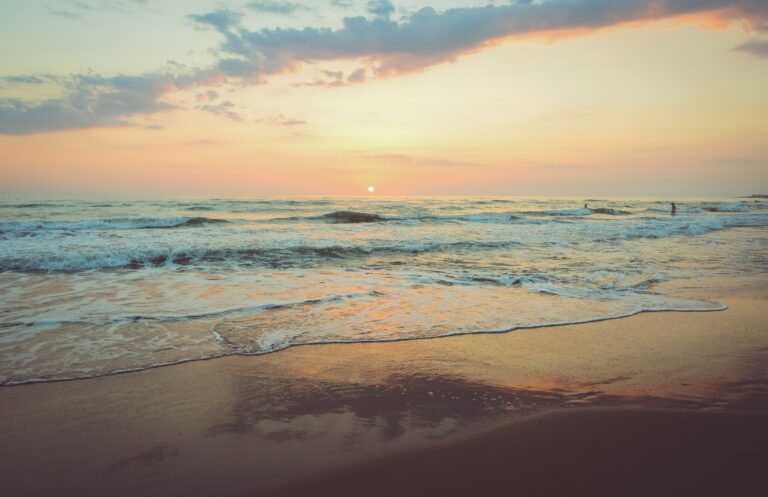
Beaches vary a lot. The Çeşme peninsula has long sandy stretches and small coves, while the northern Aegean around Foça and Ayvalık has more pebble and rock, with clear water and fewer sunbeds. Sea temperatures are cooler than on the Mediterranean south coast, especially in spring and early summer, so September is often the most comfortable month to swim.
Bring water shoes for rocky entries, and check that a beach is not a private club before you plan a day there.

Combine these places with a beach stay on the Turkish Riviera
All-inclusive resorts and city hotels around Antalya, Side and Alanya.
Show Turkey offersAre Bozcaada and Gökçeada worth the ferry?
Yes, if you want a slower pace than the mainland resorts. Both islands are in the north Aegean and are reached by ferry from the mainland coast, so allow extra time and book vehicle space ahead in summer.

Bozcaada is small, easy to explore in a day and known for its vineyards, wine, a castle above the harbour and a pretty town of painted houses. Cycling between beaches and wineries is the usual way to see it.
Gökçeada is larger, hillier and quieter, with villages that kept a strong Greek heritage, farm produce, and wind-exposed beaches popular with kitesurfers. A car or scooter makes it much easier, because the sights are spread out.
Both islands are popular on summer weekends. Weekdays and shoulder months are calmer, and some small hotels and restaurants close in winter.
What should you eat on the Turkish Aegean coast?
Start with olive oil dishes. Aegean cooking relies on olive oil, wild greens, fish and local cheese far more than on the grilled meat many visitors expect from Turkey.
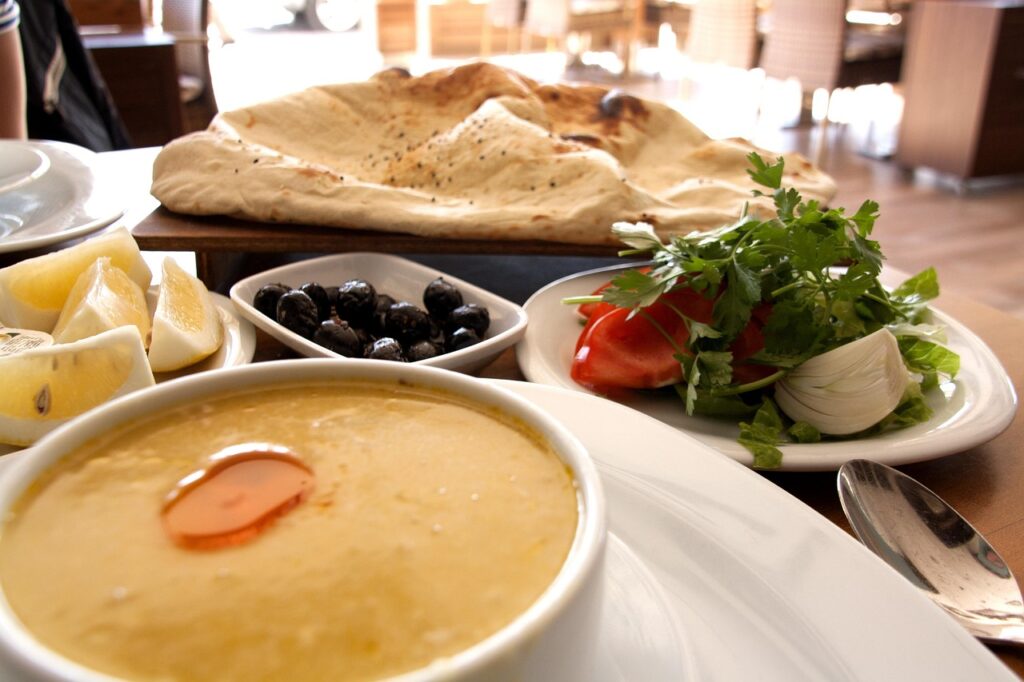
Order zeytinyağlılar, vegetables or greens cooked in olive oil and served cool, along with a meze table and grilled or baked fish of the day. In Alaçatı look for dishes built on wild herbs and greens, and in Ayvalık try the local toasted sandwich, the Ayvalık tostu, which is a regional favourite.
Fish is usually sold by weight, so ask the price before you order, and choose what is on the ice or in the display. On Bozcaada, look for local wine and tomatoes in season.
How do you get there and move around?
Fly into Izmir for Çeşme, Alaçatı, Foça and Kuşadası, then continue by car, bus or transfer. For Bozcaada and Gökçeada, the Çanakkale area is the natural starting point, with ferries from the nearby mainland ports.
A rental car gives the most freedom, especially for small coves, Gökçeada and day trips from Foça or Ayvalık. In towns such as Çeşme and Alaçatı you can walk between most restaurants and shops, but beaches are spread out, so a car or local minibus (dolmuş) is useful.
Seasonal ferries also link several Aegean towns to Greek islands, for example Çeşme to Chios, Kuşadası to Samos and Ayvalık to Lesbos. Check timetables and passport and entry rules before you plan a crossing.
For Bodrum, which has a different character, read our Bodrum guide.
FAQ
When is the best time to visit the Turkish Aegean coast?
May, June and September give warm days with fewer crowds. July and August are hottest and busiest, and the meltem is most reliable then. The sea is warmest in late summer, and many islands and small hotels slow down from late autumn.
Is the Turkish Aegean coast good for families?
Yes, in the right places. Choose a sheltered bay with shallow water, such as parts of the Çeşme peninsula, and avoid exposed beaches on windy afternoons. Quiet towns like Foça suit families who prefer walking and short boat trips over nightlife.
Where is the best windsurfing on the coast?
Alaçatı and the Çeşme area are the best-known spots, with schools and rental centres for beginners and experienced riders. Gökçeada also attracts kitesurfers. Lessons are best booked in advance in July and August.
Do you need a car?
Not in every town, but it helps a lot. You can base yourself in Alaçatı, Foça or Ayvalık on foot, yet a car opens up coves, vineyards, Gökçeada and day trips. Book it ahead for summer.
Can you visit Ephesus from the Aegean coast?
Yes. Kuşadası is the closest resort base, and Izmir is another option for a longer day trip. Go early, wear a hat and sturdy shoes, and check opening hours on the official museum site before you travel.
Plan your trip
Pick one base and one side trip rather than trying to cover the whole coast in a week. If you would like help with flights, hotels or a package for the Aegean, our team can set it up through the Travelissimo booking page.
Image credits: Kaan Ugrasiz, Unsplash; Sean Oulashin, Unsplash; Pixabay / 10444241; Malicki M Beser, Unsplash; Pixabay / Alanyadk
 Seychelles with Kids: Beaches, Reserves and Turtles
 A Week on a Yacht: Daily Life, Space, Seasickness and Cost
 Yacht Charter in Malta: What to Know Before You Book
 How to Behave at a Maltese Festa: A Visitor’s Guide