7 min read · Published: January 22, 2024 · Updated: October 29, 2026 · Prices and details checked: October 2026
Malta rewards you most when you match each experience to the right time of year: cliff walks in spring, swimming and festas in summer, quiet old towns in autumn and indoor treasures in winter. This list gives you ten items to tick off, sorted by season, with the practical detail you need and a link to the full guide for each one.

Key takeaways
- Spring (two items): walk the Dingli Cliffs and visit the Ġgantija temples on Gozo, a combined ticket with Ta’ Kola Windmill costs 10 euros for adults.
- Summer (three items): take the first boat to the Blue Lagoon (Marfa 08:30), spend an evening at a village festa and book a day on the water.
- Autumn (two items): walk Mdina in softer light and see Valletta from the Upper Barrakka Lift (1 euro) and the harbour ferry (3 euros single from Sliema).
- Winter (three items): visit St. John’s Co-Cathedral (15 euros), book the Hypogeum early (35 euros) and catch carnival.
- Public buses cost 2.00 euros in the winter tariff and 2.50 euros in the summer tariff, so most of this list works without a car.
Table of contents
- How do you use this checklist?
- Spring: which experiences fit the cooler, greener weeks?
- Summer: what is worth doing when the sea is warm?
- Autumn: which experiences are better once the crowds thin out?
- Winter: what is best when the weather turns unsettled?
- How do you get between these places without a car?
- FAQ
- Where should you start?
How do you use this checklist?
Pick the season you travel in and start with its items, then add one or two from the neighbouring seasons if the weather allows. Malta is small, so you can combine two items on one day, for example Mdina and a cliff sunset. Items in the same season are not ranked; they are simply the ones that work best then.
Spring: which experiences fit the cooler, greener weeks?
Spring is the best time for walking and for sites on open ground, because the heat is still moderate and the countryside is at its greenest. Both items below are outdoors and need little planning.
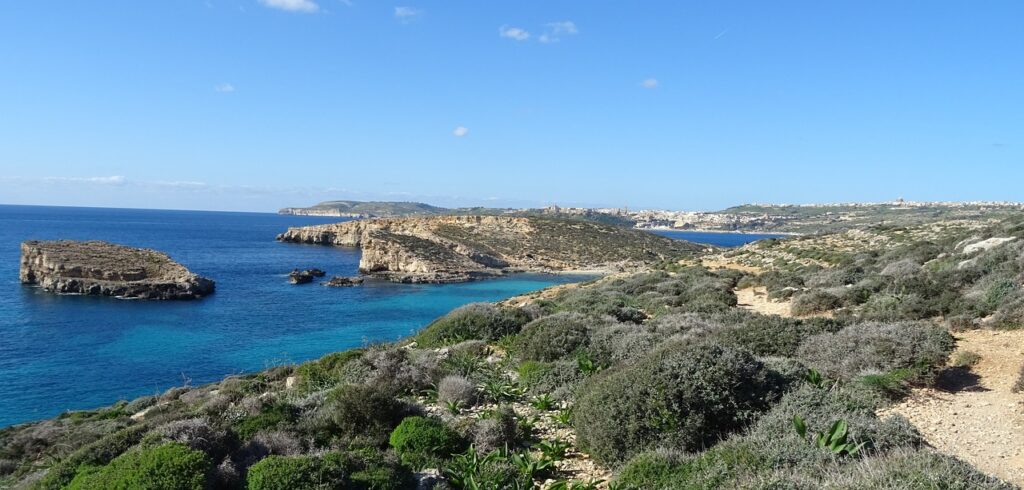
1. Walk the Dingli Cliffs. The cliffs on the west coast are the highest point of the island, with open views over the sea and a path along the edge. Go in the late afternoon for the light and bring a windproof layer, as there is no shelter. Our outdoor activities guide covers this and other routes, with advice on difficulty and heat.
2. Visit the Ġgantija temples on Gozo. These are among the oldest freestanding stone structures in the world and make a good reason for a day on Gozo. Adults pay 10 euros for the combined ticket with Ta’ Kola Windmill, children aged 6 to 11 pay 6 euros and younger children enter free. The story of the site and the rest of the island is in our guide to Gozo’s history.
Combine your trip with a hotel in Malta
Flight plus hotel in Sliema, St. Julian's or Gozo for your dates and budget.
Show Malta offersSummer: what is worth doing when the sea is warm?
Summer is for the water and for evenings outside, and the key skill is avoiding the midday heat. Plan the first outing early and the second after sunset.
3. Swim at the Blue Lagoon. The sheltered bay between Comino and Cominotto is busiest around midday, so take one of the first boats: Marfa departs from 08:30 and Cirkewwa from 08:40. A return ticket costs 15 euros for adults and the crossing takes about 20 minutes. Timing, packing and the rules of the protected area are in our Blue Lagoon guide.
4. Join a village festa. Parish festas run through the summer months, with a procession, band music, street food and fireworks, and they are open to everyone. Arrive in the afternoon, dress modestly for the church and stay for the evening. Our festa etiquette guide explains how a festa day unfolds, and the festival calendar lists what happens when.
5. Spend a day on the water by boat. Seeing the coast from the sea is the best way to reach swimming stops that have no road access. We describe how a day tour on our partner boat Naughty by Nature runs from boarding to return in our sea adventure article.
Autumn: which experiences are better once the crowds thin out?
Autumn keeps the warm sea but lowers the daytime heat, which makes it the best season for walking through towns. Both items below are about atmosphere rather than ticking off sights.
6. Walk through Mdina. The old walled city is at its best in the late afternoon and early evening, when the day visitors have left and the narrow streets are quiet. Climb the bastions for the view across the island, and arrive by bus from Valletta or Sliema. Our Mdina walking guide suggests a route through the lanes.
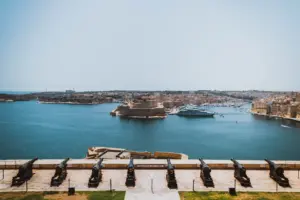
7. See Valletta from the water and from above. Take the ferry from Sliema across Marsamxett Harbour (3 euros single, 5 euros return, a departure every 30 minutes) and ride the Upper Barrakka Lift for 1 euro. In summer the lift runs from 07:00 to midnight, in winter until 21:00. The full day plan is in our Valletta walking guide.
Winter: what is best when the weather turns unsettled?
Winter is quieter, cooler and often wet, which suits indoor sights and local traditions. Several of Malta’s most important sites are covered, and queues are shorter.
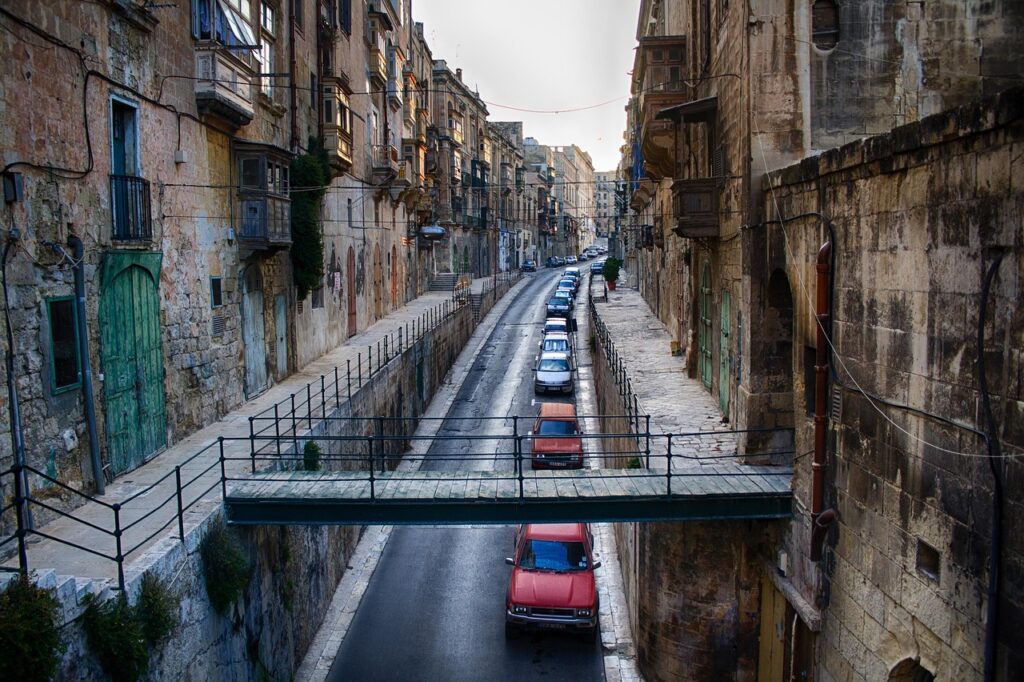
8. Visit St. John’s Co-Cathedral. The interior of this baroque church in Valletta is one of the island’s major art collections. Adults pay 15 euros, the cathedral is open Monday to Saturday from 09:00 to 16:45 and closed on Sundays, and you should cover your shoulders and avoid stiletto heels. See our cathedral visitor guide for what to look for inside.
9. Book the Hypogeum. This underground prehistoric burial complex in Paola admits only 10 people at a time, so tickets sell out. Adults pay 35 euros and children under 6 are not admitted. Book as early as you can, as Heritage Malta strongly recommends. For the wider story, from the temple builders to the British, follow our history route.
10. Catch carnival. Carnival takes place before Ash Wednesday, which falls in February or March, with costumed parades and dancing in Valletta. Check the exact dates before you book your flight, as they move each year. Our festival calendar gives the overview.
How do you get between these places without a car?
Most items are reachable by bus or ferry, so a car is not necessary. A single bus ticket costs 2.00 euros in the winter tariff and 2.50 euros in the summer tariff, lasts two hours and allows free changes. If you plan several trips, the 7-day Explore ticket costs 25 euros for adults and is sold at Sales Offices. Travelling without a valid ticket carries a 50 euro fine, so buy before you ride.
If you plan to visit several Heritage Malta sites, ask whether the Multisite Pass at 60 euros for adults is worth it. It is valid for 30 days but does not cover the Hypogeum, so book that separately.
FAQ
What is the best season to visit Malta for this list?
Late spring and early autumn are the best compromise, because the sea is swimmable, the days are long and the heat is manageable. Winter works for culture and walking but is not a beach season.
Can I do the whole list in one trip?
Not realistically, because several items belong to different seasons. A week in any one season lets you do the three to four items listed for it, plus one or two from the next.
Do I need to book anything in advance?
The Hypogeum should be booked early because only 10 people are admitted at a time. For the Blue Lagoon, a festa and the other sites you can usually decide on the day, but arrive early in summer.
Is a rental car worth it for these sights?
For this list, no. The sights are on bus and ferry routes, and parking in Valletta and Mdina is difficult. A car only becomes useful if you want to reach the cliffs or smaller coves at odd hours.
Which items suit children?
The Blue Lagoon, the harbour ferry and the Ġgantija temples work well with children. The Hypogeum does not admit children under 6, and a long festa evening may be late for young children.
Where should you start?
Choose one item from the season you travel in and build the rest of your days around it. If you would like a base close to the ferries and buses, we rent our own apartments in Sliema and St. Julian’s at holiday-apartments-malta, and we arrange flights, tours and other trips through our booking page.
Image credits: Pexels; Pixabay / MargaretKing; Pixabay / chrisjzammit
 Seychelles with Kids: Beaches, Reserves and Turtles
 A Week on a Yacht: Daily Life, Space, Seasickness and Cost
 Things to Do in Pretoria: A Day Trip Plan from Johannesburg
 Sicilian Cuisine: What to Eat, Drink and Order in Sicily