8 min read · Published: January 18, 2024 · Updated: October 29, 2026 · Prices and details checked: October 2026
Bolzano, called Bozen in German, is an Italian city with an Austrian past, and you notice both within minutes of arriving: street signs in two languages, espresso next to strudel, Alpine peaks above a Mediterranean-style town. It is small enough to see in a day and a half, and it works well as a base for the Dolomites, for wine villages and for mountain rail and bus trips.

Key takeaways
- The old town is compact and walkable: the arcaded Lauben (Via dei Portici), Waltherplatz with the cathedral and the fruit market on Obstplatz can be covered in one morning.
- The South Tyrol Museum of Archaeology shows Ötzi the Iceman, a man who died more than 5,000 years ago. Adult entry is 13 EUR, open Tuesday to Sunday 10:00 to 18:00, and daily in July and August.
- The Ritten cable car takes about 12 minutes to climb from Bolzano to Oberbozen, with gondolas every 4 to 12 minutes.
- Guests staying overnight in South Tyrol receive a free Guest Pass from their accommodation that covers regional trains, buses and the Ritten cable car.
- German and Italian are both everyday languages here, and the food, wine and calendar of events follow that mix.
Table of contents
- Why does Bolzano feel both Italian and Austrian?
- What should you see in the old town?
- Is the Ötzi museum worth your time?
- How do you get up to the Ritten from Bolzano?
- What do you eat and drink in Bolzano?
- Which events and markets are worth planning around?
- Which Dolomites excursions start from Bolzano?
- FAQ
- Next step
Why does Bolzano feel both Italian and Austrian?
Bolzano belonged to Austria until the end of the First World War and became part of Italy afterwards. The city itself has an Italian-speaking majority, while the surrounding province of South Tyrol is mostly German-speaking, and both languages appear on signs, menus and public transport.
In practice this means you can order in either language and be understood, and most people in tourism also speak English. You will see the dual naming everywhere: Bozen and Bolzano, Obstplatz and Piazza delle Erbe, Lauben and Portici. Use whichever name you like. The mix also explains why the town feels orderly and Alpine in the morning and relaxed and Italian by the time the evening aperitivo starts.
What should you see in the old town?
Start on the Lauben, the long arcaded street lined with shops, cafes and townhouses, then continue to Waltherplatz, the main square, where the Gothic cathedral with its patterned tiled roof stands on one side. Allow two to three hours for a slow walk including a coffee stop and a look inside the cathedral.
From Waltherplatz it is a short walk to Obstplatz, the old fruit and vegetable market square, where stalls sell produce, South Tyrolean speck, bread and flowers. Opening days can change, so check locally before planning around it. The streets between the squares are good for browsing local food shops, and the houses with painted and oriel-style fronts give the centre its look.
Two further sights are worth a stop if you have time. Castle Runkelstein, on the edge of town, is known for its medieval wall paintings. Museion, the museum of modern and contemporary art, sits by the river Talfer and suits a rainy afternoon.
Find a hotel for your Italy trip
Flight plus hotel for all Italian regions, searchable by date and budget.
Show Italy offersIs the Ötzi museum worth your time?
Yes, it is the best single reason to go indoors. The South Tyrol Museum of Archaeology displays Ötzi, the glacier mummy found in the Ötztal Alps in 1991, together with the clothing, tools and equipment he carried, and it explains who he was and how he lived and died.
Adult entry is 13 EUR. The museum is open Tuesday to Sunday from 10:00 to 18:00 (last entry 17:30) and daily in July and August. Plan about 90 minutes. The mummy itself is kept in a cooled chamber and viewed through a small window, so the exhibits around it are what make the visit worthwhile. Go early or late in the day if you want fewer people.
If you enjoy mountain history, the Messner Mountain Museum Firmian at Sigmundskron castle, just outside the centre, charges 15 EUR for adults. It runs from the third Sunday in March to the second Sunday in November, 10:00 to 18:00, and is closed on Thursdays.
How do you get up to the Ritten from Bolzano?
Take the Ritten cable car from the station area to Oberbozen. The ride takes about 12 minutes, with gondolas every 4 to 12 minutes, and you leave the valley heat for cooler air and views across the valley.
At the top you can walk the flat paths along the plateau, enjoy the view towards the Dolomites on a clear day, or continue on the narrow-gauge Ritten railway to nearby villages. The cable car is included in the free Guest Pass if you stay overnight in South Tyrol. If you do not, a Mobilcard Südtirol also covers it: 22 EUR for one day, 32 EUR for three days and 52 EUR for seven days for adults. For a single ride the standard fare applies, and we cannot give a reliable price here, so check it at the station.
Do this trip in the morning on a clear day. Cloud can hide the mountain view, and the plateau is more pleasant before midday in summer.

What do you eat and drink in Bolzano?
Expect hearty Alpine cooking with Italian influences. Typical dishes include dumplings (Knödel), Schlutzkrapfen (filled pasta pockets), goulash, speck, and Apfelstrudel or Kaiserschmarrn for dessert, next to pasta, pizza and good coffee.
Many restaurants offer both sides of the menu, so you can eat dumplings one night and pasta the next. For a quick lunch, look for a bakery or a market stall with speck, cheese and rye bread. In the evening, South Tyrolean wine is the natural pairing. Local grapes include Lagrein, a dark red that grows right around Bolzano, and the red wine Sankt Magdalener from the hills just outside town, plus white varieties such as Gewürztraminer from further south in the wine region.
Vineyards climb the slopes right behind the city, and you can walk through them on marked paths without leaving the urban area. Tasting rooms and wine bars in town are an easy way to try several glasses without a car.
Which events and markets are worth planning around?
The Christmas market on Waltherplatz is the best known event. It runs in the weeks before Christmas, with stalls selling crafts, mulled wine and regional food. We do not quote exact dates here because they change each year, so check the official city or tourism listing when you book.
Outside winter the calendar includes music and dance programmes, including the Bolzano Festival Bozen, the Transart festival and regular wine events. Dates move, so look at the official event calendar before fixing your trip around one. If you prefer to avoid crowds, spring and early autumn give you mild weather and open museums without the Christmas rush.
Which Dolomites excursions start from Bolzano?
Bolzano is a good starting point for the Dolomites, but treat these as a preview rather than a plan. This guide covers the city; mountain days need their own time and weather window.
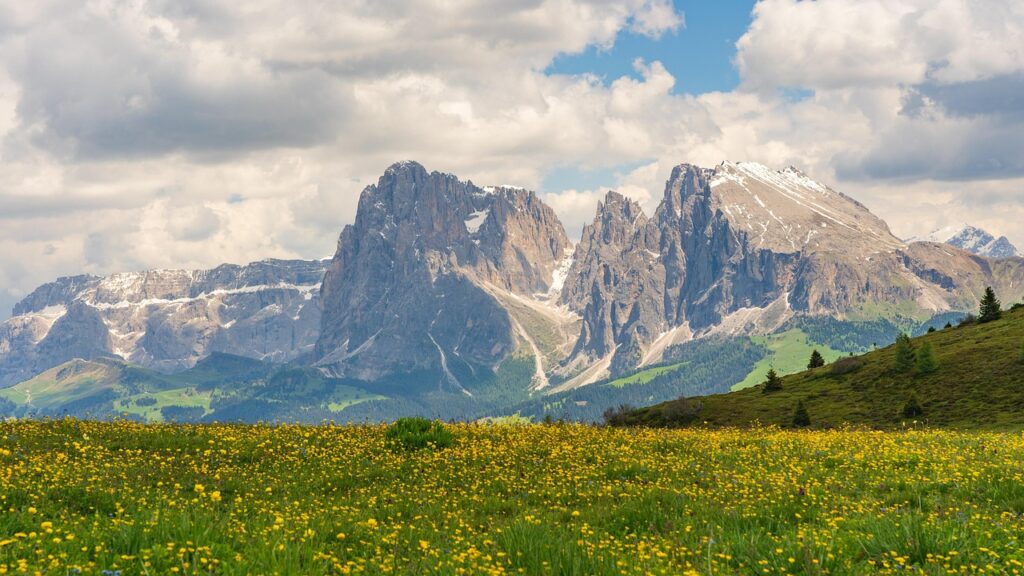
Public transport reaches many valleys by regional bus and train, and the Guest Pass and Mobilcard cover regional services. They do not cover long-distance trains, the Nightliner, or the Alpine shuttles to the Seiser Alm, the Pragser Wildsee and the Three Peaks, which have their own tickets and often need advance booking. Check the official South Tyrol mobility pages for the timetable before you go. For a first visit, the Ritten plateau is the easiest mountain outing from the city, and a full Dolomites day works best as a separate trip.
FAQ
How many days do you need in Bolzano?
One full day covers the old town and the Ötzi museum. Two days let you add the Ritten plateau, a vineyard walk and a relaxed dinner. Add more days only if you plan to use Bolzano as a base for the Dolomites.
Is Bolzano in Italy or Austria?
Bolzano is in northern Italy, in the autonomous province of South Tyrol. It belonged to Austria until after the First World War, which is why German is widely spoken and many places have a German and an Italian name.
Do you need to speak German or Italian?
No. Most people working in hotels, restaurants and museums speak English. A few words in either language, such as a greeting or thank you, are appreciated.
What is the South Tyrol Guest Pass?
It is a free pass for guests staying overnight in South Tyrol and cannot be bought separately. Your accommodation issues it, and it is valid from 0:00 on the day of arrival to 23:59 on the day of departure. It covers regional trains and buses and the Ritten cable car, but not long-distance trains or the Alpine shuttles.
What is the best way to reach Bolzano?
Bolzano lies on the main rail line through the Alps, so the train is the simplest option from Verona and other northern Italian cities. We have not confirmed current journey times here, so check the timetable. Once in the city you can walk almost everywhere.
Next step
If you are building a longer trip through northern Italy, our Verona weekend guide fits well before or after Bolzano. We arrange train, hotel and tour bookings for Italy and many other destinations, and you can send us your dates through our booking page.
Image credits: Pixabay / FrankBeckerDE; Pixabay / ChiemSeherin
 Seychelles with Kids: Beaches, Reserves and Turtles
 A Week on a Yacht: Daily Life, Space, Seasickness and Cost
 Yacht Charter in Malta: What to Know Before You Book
 How to Behave at a Maltese Festa: A Visitor’s Guide