7 min read · Published: January 15, 2024 · Updated: October 29, 2026 · Prices and details checked: October 2026
You travel responsibly in Thailand by making five decisions before and during your trip: which elephant venue you visit, what you put on your skin and in the sea, where you sleep, how you pay park fees and how you get around. None of them costs much extra, but each one changes where your money ends up. This guide turns them into a checklist you can use while you book.

Key takeaways
- Skip any venue that offers elephant rides, bathing with crowds, shows or photos with chained animals. Choose places where you watch from a distance.
- Marine national parks in Thailand ban sunscreens containing oxybenzone, octinoxate, 4-methylbenzylidene camphor (4MBC) or butylparaben. Check the ingredient list before you leave home.
- Homestays and community-run stays keep more of your money in the village than large resorts do.
- National park fees pay for rangers and upkeep. Pay them at the official counter and keep the ticket.
- Trains, buses and ferries are the low-impact way to cover long distances, and often the more relaxed one.
Table of contents
How do you recognise an ethical elephant venue?
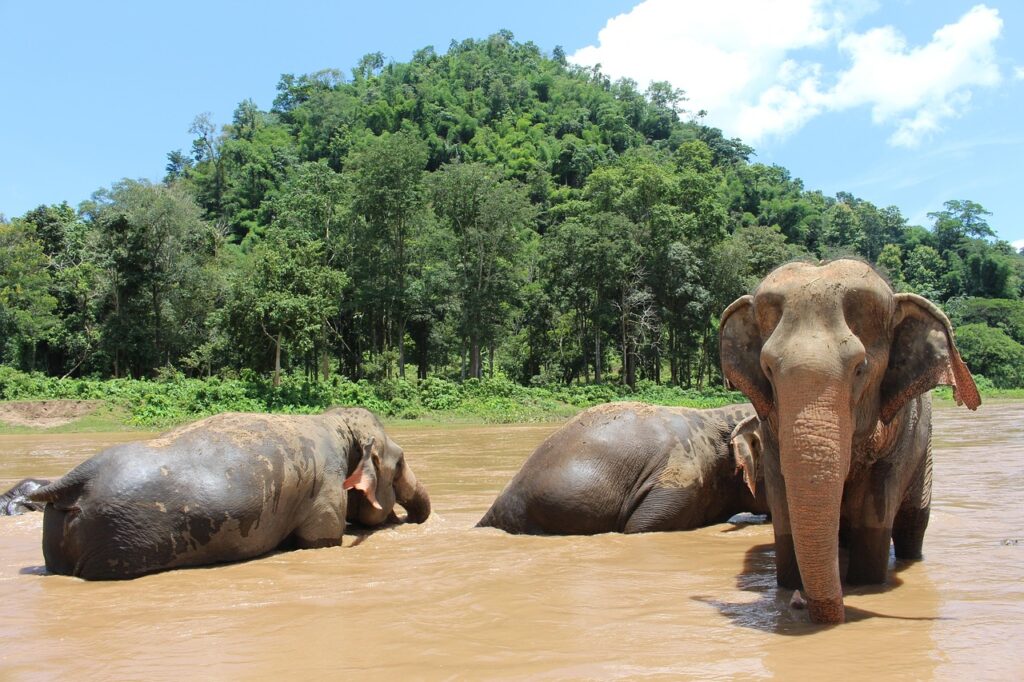
An ethical venue lets you watch elephants behave like elephants. If you can ride, touch, feed on demand or watch a performance, the animals are being used for entertainment, and the venue is not the right choice.
Use this short test before you pay:
- No riding, no saddles, no chairs on the back.
- No tricks, painting or football shows.
- No chains or hooks used to control the animals during the visit.
- Visitor numbers are small and you stay at a distance, often from a platform.
- The venue explains where its elephants come from and what happens to them as they age.
Be careful with the word “sanctuary”. Anyone can use it on a sign. Ask what the animals do all day, and walk away if the answer is vague. We recommend a short, quiet visit over a long, hands-on one, because close contact is exactly what keeps the paid-photo business running.
How do you protect reefs and beaches?
Start with your sunscreen. Thailand’s national parks department issued a notification in August 2021 banning the use and possession of sunscreens containing oxybenzone, octinoxate, 4-methylbenzylidene camphor and butylparaben in all marine national parks. The reason is coral damage, and the rule applies to the beaches and boat stops that most visitors want to see.
Practical steps:
- Read the ingredient list on the back, not the “reef friendly” claim on the front.
- Wear a rash vest and a hat for long snorkelling sessions, so you need less lotion.
- Never stand on or touch coral, and keep your fins off the bottom in shallow water.
- Take your rubbish back to the boat or the mainland. Single-use plastic is the most visible problem on small islands, so carry a refillable bottle and a small bag for litter.
- Do not take shells, coral or sand home.
Popular bays can close for part of the year to let the reef recover. Check the park’s current rules for the island you plan to visit, and treat a closure as a good sign, not an inconvenience.

Combine these places with a beach stay
Search packages with flight and hotel for Phuket, Krabi or Koh Samui for your dates and budget.
Show Thailand offersWhy should you stay in a homestay or community-run place?
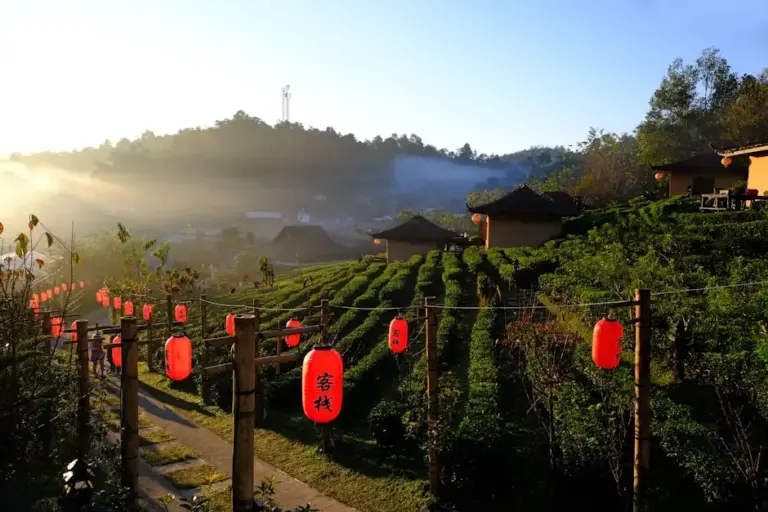
A homestay or community-run guesthouse spreads your spending across a village: the host family, the cook, the guide and the boat owner. The Tourism Authority of Thailand’s own responsible tourism guidance points the same way: buy local products, take part in community activities and respect the local way of life.
How to choose well:
- Book directly with the host or through the community’s own contact, so fees do not leave the area.
- Ask what the community runs itself, for example a guided forest walk, a weaving workshop or a cooking session.
- Follow house rules, remove your shoes where asked and dress modestly in villages and temples.
- Pay a fair price for activities and do not haggle down a local guide.
- Eat where the people who live there eat.
Large hotels can be responsible too, if they treat waste and water seriously and employ local staff. A quick question at check-in about where the rubbish goes tells you a lot.
Do national park fees really matter?
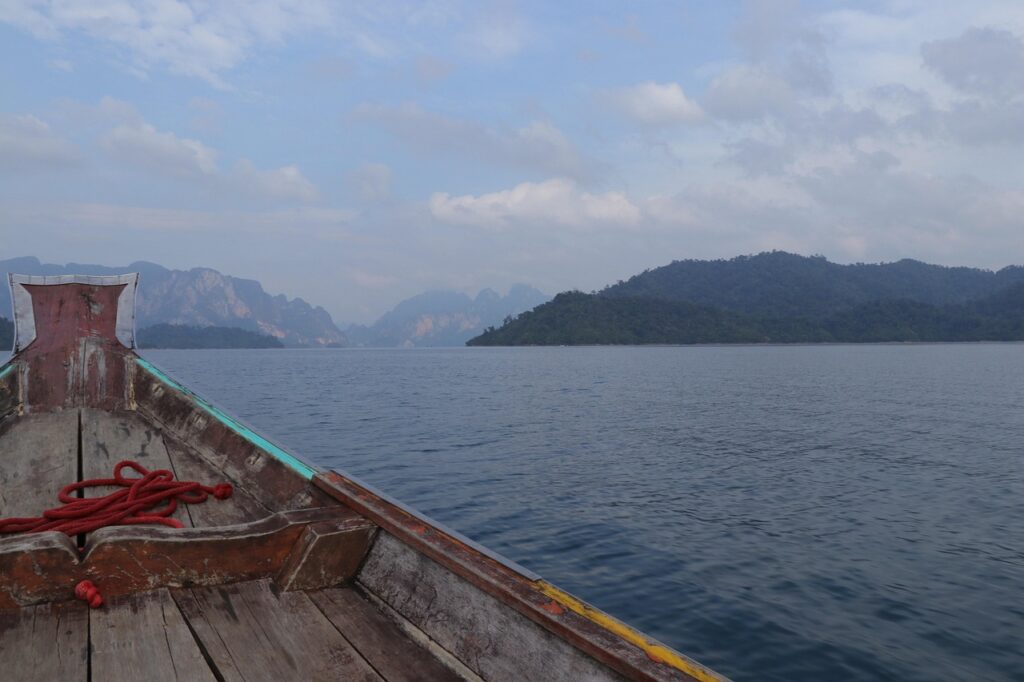
Yes. The fee is the main direct payment a park receives from you, and it funds trails, rangers and waste handling. Foreign visitors normally pay more than Thai residents, and the amount differs from park to park, so do not rely on a fixed figure from a blog. Check the notice at the entrance.
Good habits at the gate:
- Pay at the official counter and keep the ticket with you on the trail.
- Stay on marked paths. Short cuts widen erosion and disturb nesting animals.
- Do not feed monkeys or other wildlife, even when others do.
- Leave drones at home unless the park allows them in writing.
- Book boat trips to marine parks with operators who moor at fixed buoys instead of dropping anchor on the reef.
Which transport choices lower your impact?
For long distances, choose the train or a bus over a domestic flight when the journey is reasonable. For short distances, walk, cycle or use shared transport such as songthaews and public ferries, which also puts you among local people.
- Trains: the long-distance lines are slow but comfortable, and night trains save a hotel night.
- Buses and minivans: frequent between cities and ferry piers, and usually booked on the day.
- Public ferries: cheaper and less crowded than private speedboats, though slower.
- Bicycles and e-scooters: fine for small islands and old towns, as long as you stay on roads and respect local traffic habits.
- Tuk-tuks and taxis: agree the fare or insist on the meter before you get in.
Combining two or three places in one trip, instead of five in ten days, cuts transfers more than any single clever choice. If you want ideas for quieter places, see our guide to Thailand’s lesser-known spots, and for the planning side read the Thailand planning tips.
FAQ
Is it ethical to visit elephants in Thailand at all?
It can be, if the visit is observation only. Avoid rides, shows, bathing with crowds and photo sessions with chained animals. Choose a small venue where you keep your distance and where staff can explain how the animals are cared for through their whole life.
Which sunscreen ingredients are banned in Thai marine parks?
The notification names oxybenzone, octinoxate, 4-methylbenzylidene camphor and butylparaben. Check the ingredient list on any product you bring. Mineral sunscreens and cover-up clothing are the simplest alternatives.
Are homestays really better for local people?
Usually, when you book directly with the host or the community. More of the money stays in the village, and hosts often offer guided activities that employ neighbours. A homestay is not automatically better, so ask what the community actually runs.
Do I have to pay a fee to enter a national park?
Most parks charge an entry fee, and foreigners generally pay more than Thai residents. The amount depends on the park, so check the notice at the entrance. Keep your ticket for the whole visit, because rangers may ask to see it.
What is the easiest way to cut my footprint on a Thailand trip?
Visit fewer places for longer, take trains and buses for the long legs, and carry a refillable bottle. Together these reduce flights, rubbish and rushed day trips more than any single product swap.
What should I do if I see animals being mistreated?
Do not confront staff or other guests. Leave, do not pay, and report what you saw to the Tourism Authority of Thailand or the venue’s booking platform. Your review should say specifically what you observed.
If you want a trip built around these choices, such as train routes, community stays and small-group park visits, our team can arrange it through Travelissimo booking.
Image credits: Pixabay / pandapotter; Pixabay / foxycoxy
 Seychelles with Kids: Beaches, Reserves and Turtles
 A Week on a Yacht: Daily Life, Space, Seasickness and Cost
 Yacht Charter in Malta: What to Know Before You Book
 How to Behave at a Maltese Festa: A Visitor’s Guide