
7 min read · Published: November 18, 2024 · Updated: October 29, 2026 · Prices and details checked: October 2026
The five places below are Koh Lipe, Wat Phu Tok, Nong Khai, Khao Sok and Nan, and all of them see far fewer visitors than Phuket, Bangkok or Chiang Mai. Each one needs a little more effort to reach, and that effort is the reason it stays calm. For every place you get the way in and the best time to go.
Key takeaways
- Koh Lipe in the far south is reached by boat from Pak Bara, and the crossing is most reliable in the dry season.
- Wat Phu Tok in Bueng Kan province is a sandstone mountain with a monastery, climbed on wooden walkways and stairs.
- Nong Khai on the Mekong combines river views, Isan food and an easy rail link from Bangkok.
- Khao Sok is a rainforest park with limestone peaks and a large lake, best visited in the cooler, drier months.
- Nan in the north has an old town with temple murals and is quiet even in the main travel season.
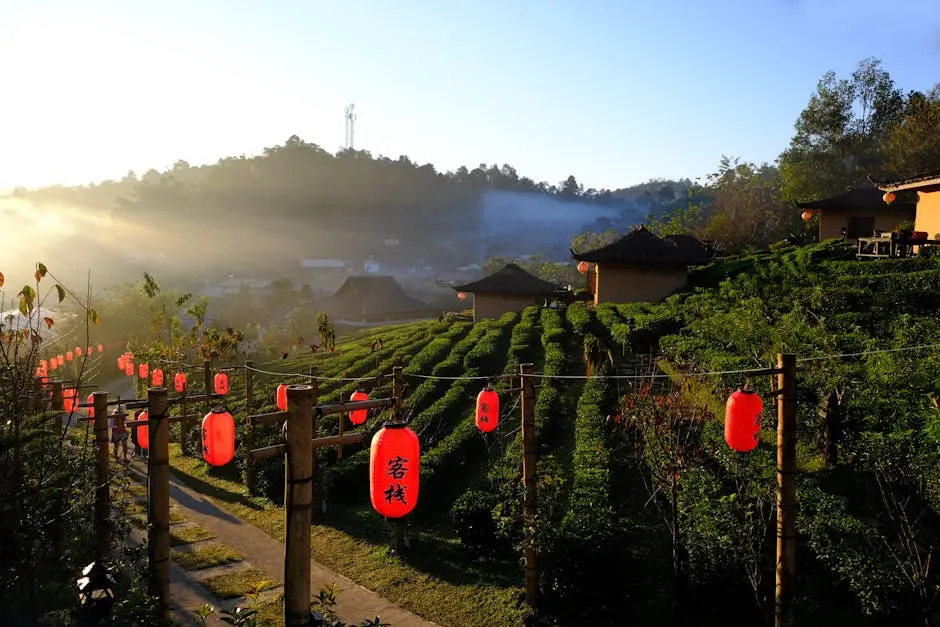
Table of contents
Which quiet island is worth the journey: Koh Lipe?
Koh Lipe is a small island in the Andaman Sea close to the Malaysian border, part of Tarutao National Marine Park in Satun province. It is the best choice in this list if you want a beach stay with clear water and little traffic.
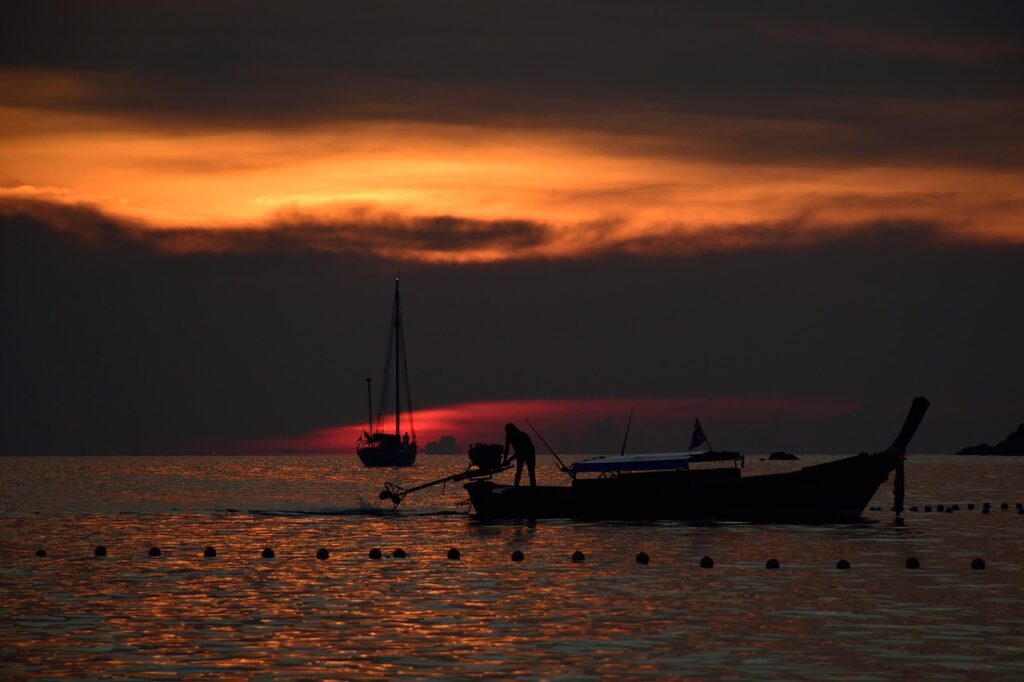
You reach it by speedboat or ferry from Pak Bara on the mainland, and Pak Bara itself is a transfer from Hat Yai or Trang. Boats run most frequently in the dry season, roughly November to April. In the rainy season services are reduced and the sea can be rough, so check the operator the day before. Book your first night in advance, because the island is small and good rooms go quickly in high season.
The reef around the island suits snorkelling from the beach or from a longtail boat. Respect the marine park rules: do not touch coral and do not take shells or corals home.
Where can you see a temple mountain without the crowds?
Wat Phu Tok in Bueng Kan province, in the northeast, is a forest monastery built on a sandstone outcrop. Wooden walkways and stairs wind around and up the rock, so you climb through several levels before you reach the top, and the view over the surrounding flat land is the reward.
Bueng Kan lies on the Mekong in the Isan region, a long way from the usual routes. Most visitors come by road from Udon Thani or Nong Khai, and a hire car or a driver makes the day far easier than public transport. Go in the cool, dry months, wear sturdy shoes with grip and cover your shoulders and knees, as this is a working monastery. Climb in the morning, before the heat builds.
Wat Suthat in Bangkok, with its Giant Swing, is a worthwhile temple too, but it is a city sight and not a quiet one, so it is not part of this list.

Combine these places with a beach stay
Search packages with flight and hotel for Phuket, Krabi or Koh Samui for your dates and budget.
Show Thailand offersWhy stop in Nong Khai for river views and Isan food?
Nong Khai is a relaxed Mekong town facing Vientiane in Laos, and it is the easiest of the five to reach. A night train runs from Bangkok, and the town is also connected by road and by air via nearby Udon Thani.
The riverfront is the draw: you walk the promenade, watch the Mekong at sunset and eat in small local restaurants. Order Isan classics such as larb, som tam and grilled fish with sticky rice, and ask for the spice level you can handle, because the default is often strong. A short ride from town is Sala Keoku, a sculpture park of large concrete figures that is unlike anything else in Thailand.
The Friendship Bridge to Laos makes Nong Khai a natural border stop if you continue to Vientiane. Check current visa and border rules with the official authorities before you travel.
How do you hike in Khao Sok without the full tour-bus crowd?
Khao Sok National Park in Surat Thani province protects rainforest in southern Thailand, with limestone peaks, rivers and Cheow Lan Lake. Guided walks along the jungle trails are the best way to see it, and the park is also known for the rare rafflesia flower, which blooms only for a short time in the dry season. Ask at the park office whether any are currently in flower.
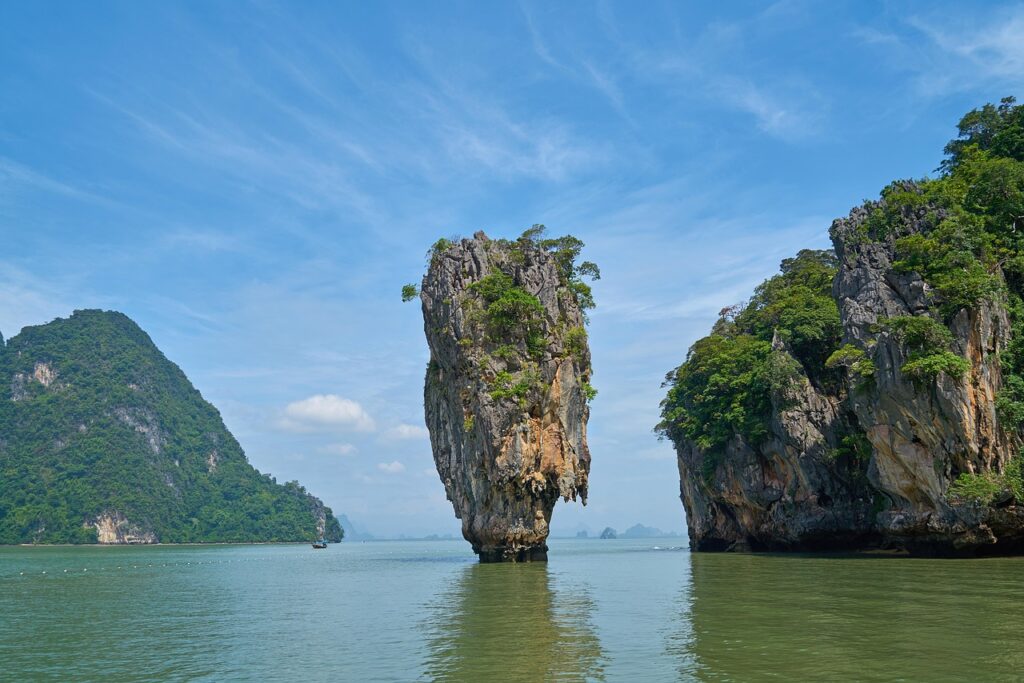
The simplest way in is by minivan or bus from Surat Thani, Krabi or Phuket to the village near the park entrance. Stay near the entrance for jungle walks, then take a boat trip or an overnight stay on the lake to see the limestone cliffs from the water. Wear long trousers and shoes with a good sole, and bring insect repellent. The cooler, drier months from about December to March are the most comfortable, while the green season has fewer visitors but wetter trails and more leeches.
Tell your guide how fit you are, because trails vary from a short riverside walk to a full day in the forest. Avoid any operator that offers elephant rides or contact with wild animals.
What makes Nan a good village and culture stop in the north?
Nan is a quiet provincial town in northern Thailand near the Laos border. The old town centres on Wat Phumin, a temple known for its murals, and you can see the main sights in a relaxed day on foot or by bicycle.
Beyond town, the province is mostly mountain valleys with small villages, rice fields and hill communities. Hire a motorbike only if you hold the right licence and insurance, or arrange a driver for a day. Nan has a small airport, and buses run from Chiang Mai, Phrae and Bangkok. The cool season, roughly November to February, gives the clearest air and comfortable temperatures. During the burning season in the north, usually early in the year, the air can be hazy, so check local air quality before booking.
FAQ
When is the best time to visit these places?
Most of them are at their best in the cool, dry season, roughly from November to February or March. Koh Lipe and Khao Sok are the most affected by weather, because boat services and trail conditions change in the rainy season.
Can you combine all five on one trip?
Not comfortably, because they are spread from the far south to the far north. A sensible pairing is Koh Lipe with Khao Sok in the south, or Nong Khai with Wat Phu Tok in the northeast. Nan fits well with a Chiang Mai trip.
Do you need to book in advance?
For Koh Lipe in high season, yes. Rooms on the lake at Khao Sok also need booking ahead. For Nong Khai, Wat Phu Tok and Nan you can usually arrange things locally, though trains and flights are better booked early.
Is it safe to travel to these quieter areas independently?
Generally yes, with normal care. Quieter areas have fewer English speakers, so carry your accommodation name in Thai, download an offline map and keep some cash, since card payment is less common in small towns. Check the official Thai tourism and foreign ministry advice before you go.
What should you wear at temples?
Cover your shoulders and knees and take off your shoes where requested. At a working monastery such as Wat Phu Tok, keep your voice low and do not photograph monks without asking.
Choose one or two places from this list and build the trip around them, then read our Thailand planning tips for routes, entry and budget and our guide to responsible travel in Thailand for behaviour in parks and villages. If you want help with flights and bookings, Travelissimo arranges travel worldwide through our booking service.
Image credits: Pexels; Pixabay / siamkop; Pixabay / Engin_Akyurt
 Seychelles with Kids: Beaches, Reserves and Turtles
 A Week on a Yacht: Daily Life, Space, Seasickness and Cost
 Yacht Charter in Malta: What to Know Before You Book
 How to Behave at a Maltese Festa: A Visitor’s Guide