8 min read · Published: November 25, 2024 · Updated: October 29, 2026 · Prices and details checked: October 2026
The right Mallorca retreat depends less on the region than on what you want to do all day: swim, hike, learn, be treated or keep children busy. Mallorca offers seven distinct retreat types, and each one fits a different kind of traveller. This guide sorts them by purpose so you can rule out the wrong ones quickly.
Key takeaways
- Beach retreats suit short, low effort stays; the sandy, shallow bays on the north and east coast are the easiest for children and non swimmers.
- A finca (rural estate) gives you space, quiet and a car based holiday; it does not give you services unless you book them.
- Active retreats centre on the Serra de Tramuntana, a UNESCO cultural landscape, where the GR 221 long distance trail runs about 280 km in eight stages from Andratx to Pollença.
- Wellness and spa retreats are different products: wellness means a programme (yoga, meditation, food), a spa retreat means treatments and facilities.
- Family resorts are the only type where childcare and kids’ programmes are part of the offer by default.
Table of contents
- Which Mallorca retreat type should you choose?
- What is a beach retreat on Mallorca like?
- Is a finca stay the right kind of countryside retreat?
- Where do active retreats on Mallorca take place?
- What does a cultural retreat in Mallorca’s old towns involve?
- What is the difference between a wellness retreat and a spa retreat?
- Which Mallorca retreats work best for families?
- FAQ
Which Mallorca retreat type should you choose?
Choose by the main activity of your day, not by the brochure photo. If you want to do nothing, pick a beach or spa retreat. If you want structure, pick an active or wellness programme. If you travel with children, start with the family category and only then look at location.
| Type | Suits | Good to know |
|---|---|---|
| Beach retreat | Couples, friends and families who want one base with no daily decisions | Mountains and old towns need a transfer |
| Finca stay | Groups of friends, multi-generation family trips, couples who like to cook | Rental car practically required; suits solo travellers without a car badly |
| Active retreat | Hikers; Serra de Tramuntana with the GR 221, about 280 km in eight stages | Summer heat; guided programmes worth it for beginners |
| Cultural retreat | Old towns such as Pollença, Sóller and Alcúdia; walking, markets, museums, food | Works best where the old centre is the point |
| Wellness retreat | People who want routine and guidance, including solo travellers | A programme: yoga, meditation, food |
| Spa retreat | People who want to be left alone and looked after | A facility: treatments and thermal areas |
| Family resort | Families with children | Childcare and kids’ programmes are part of the offer by default |
What is a beach retreat on Mallorca like?
A beach retreat is a stay where the sea is the programme: you sleep close to the water and plan the day around swimming, sunbathing and a long lunch. Water sports such as paddleboarding and snorkelling are usually available from the beach or a nearby operator.
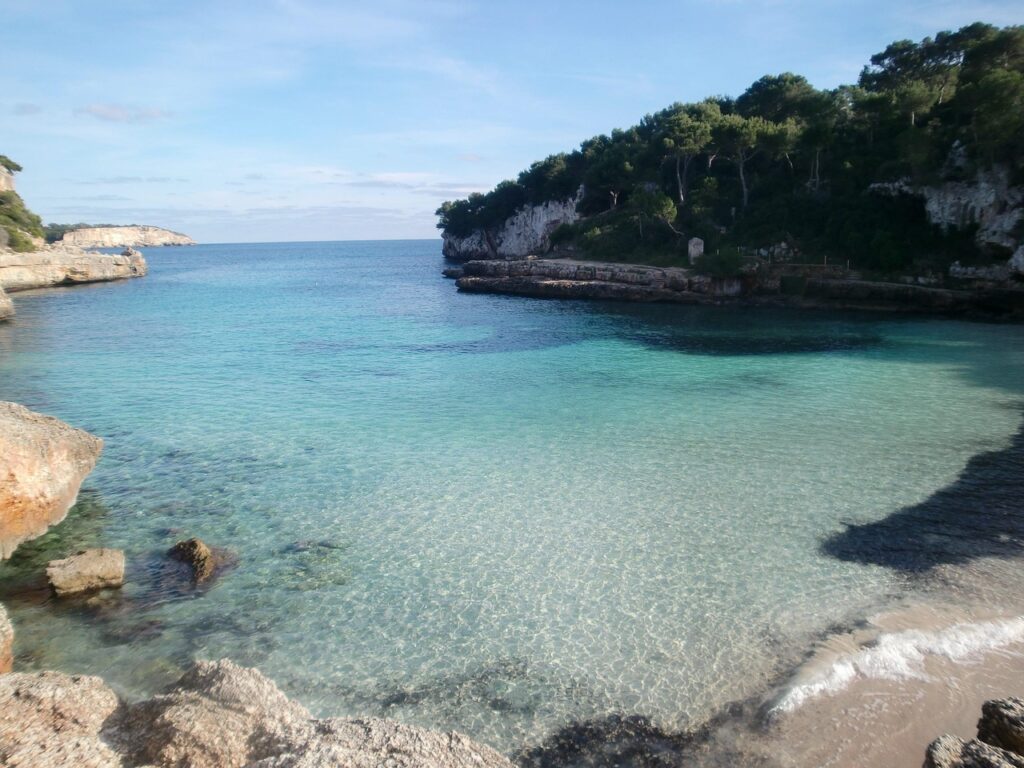
Coastlines differ a lot. The wide, sandy bays in the north and east have gentle entry into the water and suit families and slow swimmers. The rocky south west is more scenic and better for sunsets and snorkelling, but access to the water can mean steps or ladders. Ask before you book which of the two you are getting.
Beach retreats suit couples, friends and families who want one base with no daily decisions. They suit hikers and culture seekers less, because getting to the mountains or old towns means a transfer.
Find a hotel for your Spain trip
Flight plus hotel for the mainland coasts, searchable by date and budget.
Show Spain offersIs a finca stay the right kind of countryside retreat?
A finca stay is right if you want privacy, space and a rural setting and are happy to drive. Fincas are traditional rural estates, often stone built, usually with a garden and often a private pool, set among olive groves, almond trees or vineyards inland.
Shops, restaurants and beaches are usually a drive away, and a rental car is practically a requirement. Some fincas run as small hotels with breakfast and dinner on site; others are self catering houses. Both are called a finca, so check which one it is.
A finca suits groups of friends, multi generation family trips and couples who like to cook. It suits solo travellers badly if they have no car.
Where do active retreats on Mallorca take place?
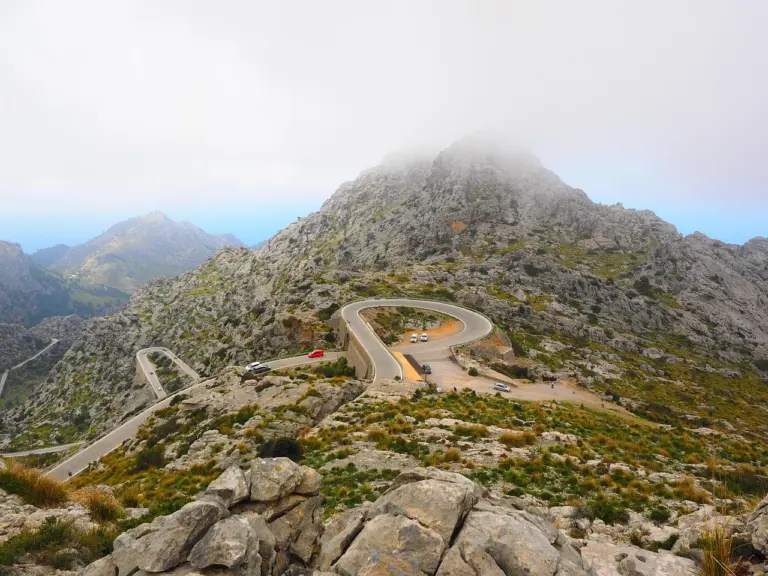
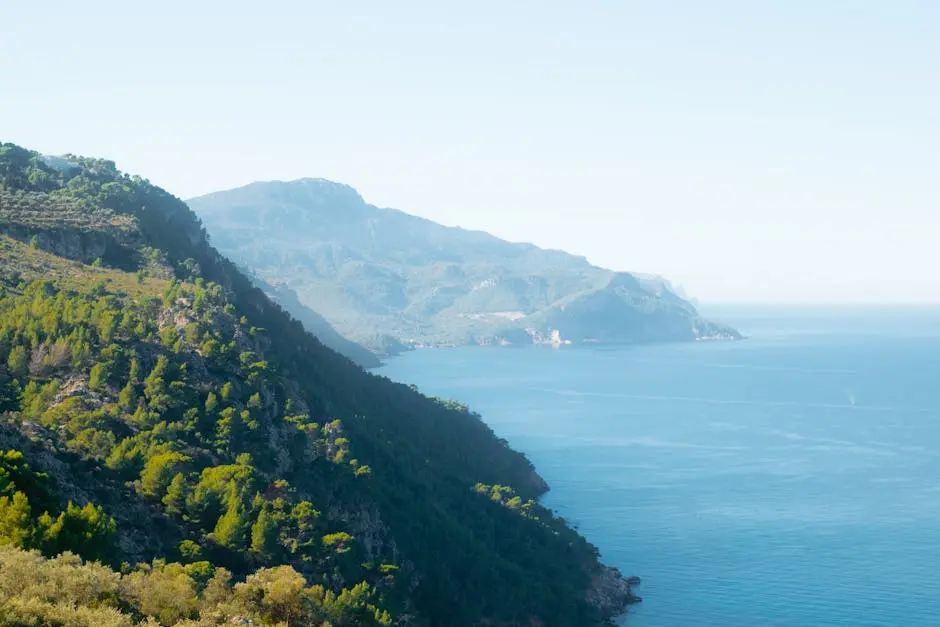
Active retreats centre on the Serra de Tramuntana, the mountain range along the north west coast, which UNESCO lists as a cultural landscape. Its terraces, dry stone walls and historic water systems are part of why walking here is more than exercise.
The classic long route is the GR 221, the Ruta de Pedra en Sec (Dry Stone Route). It runs about 280 km in eight stages from Andratx to Pollença, with shelters run by the Consell de Mallorca for overnight stops. You do not need to walk all of it. Beginners are advised to start with a single, simple stage or to go with a mountain guide. Cycling retreats use the same mountains: experienced riders get climbs of around 1,000 m, while gentler routes run through fields and villages.
Summer heat is the main planning issue, so active retreats make most sense outside the hottest weeks. Pack proper footwear and plenty of water, and treat guided programmes as worth the money if you have not hiked on rough limestone before.
What does a cultural retreat in Mallorca’s old towns involve?
A cultural retreat means staying in one of the island’s old towns and building the days around walking, markets, museums and local food rather than a pool. It works best in places where the old centre is the point, such as Pollença, Sóller and Alcúdia.

Sóller has a practical bonus: the historic wooden train from Palma, inaugurated in 1912, takes about an hour and runs through 13 tunnels, and a tram continues to Port de Sóller. It makes a car free arrival that is also part of the sightseeing. Pollença is a good base for the northeast, with its Calvari steps leading up to a chapel with views over the town.
What is the difference between a wellness retreat and a spa retreat?
A wellness retreat is a programme; a spa retreat is a facility. At a wellness retreat the day is structured around yoga, meditation, guided walks and a particular way of eating, often in a group. At a spa retreat you book treatments such as massages and facials and use thermal areas and pools at your own pace.
Wellness retreats suit people who want routine and guidance, including solo travellers, because the group format makes it easy to meet others. Spa retreats suit people who want to be left alone and looked after. Many hotels combine the two, so read the daily schedule before you book: if it lists classes with set times, it is a wellness retreat; if it lists a treatment menu and opening hours, it is a spa.
Before you commit, check three things: whether treatments are included or paid per session, whether the programme is led by qualified teachers or therapists, and whether the setting is quiet enough for what you want from it.
Which Mallorca retreats work best for families?
Family resorts work best because childcare, pools with shallow areas and children’s programmes are part of the standard offer. This is the one retreat type where the facilities matter more than the surroundings.
Look for a resort on a sandy, shallow bay with a kids’ club that is open in the hours you need, family rooms rather than two connected doubles, and meals that work for children. Beyond the resort, the Esporles route towards Maristella and Fita del Ram in the Tramuntana is a relatively easy walk of around two hours that the regional tourism board recommends for families.
FAQ
Which retreat type is best for a first visit to Mallorca?
A beach or a cultural retreat in a town like Sóller or Pollença gives the easiest introduction. Both are simple to reach and need little planning. Add one day trip into the Tramuntana mountains to see why the island is more than its coast.
Do I need a car for a Mallorca retreat?
For a finca, almost certainly yes. For a beach resort, a spa hotel or a stay in an old town, not necessarily, because these often have shuttles, taxis or local buses nearby. Wellness retreats usually organise transfers from Palma airport, so ask when you enquire.
Can I combine two retreat types in one trip?
Yes, and it often works well. A common pairing is a few days of active hiking in the Tramuntana followed by a few days at a beach or spa retreat to recover. Keep the two bases at different ends of the trip and avoid moving hotels more than once.
Are Mallorca retreats suitable for solo travellers?
Wellness and active retreats are the easiest, because group programmes are built around guests who arrive alone. Spa and beach retreats are comfortable too, but check the single room supplement, which many hotels charge.
How far ahead should I book?
Book earlier for school holidays and for the popular retreat types such as family resorts and small wellness programmes, which have limited places. Fincas for groups also go early. Outside peak weeks you have more choice and often better conditions.
Is a retreat on Mallorca affordable?
It can be, but price depends mostly on the type. Self catering fincas shared between several people and cultural stays in small town hotels usually cost less per person than spa retreats and full wellness programmes. For general ways to keep a Spanish trip cheaper, see our guide to cheap travel in Spain.
For help choosing between regions once you know your type, read our guide to where and when to go in Mallorca. If you want us to compare retreats and flights for your dates, Travelissimo handles trip requests through our booking page.
Image credits: Pixabay / leninscape; Pexels; Pixabay / Paramjeet; Pixabay / avoncliff
 Garden Route Itinerary: Stages for Seven to Ten Days
 Train or Plane in Europe: Time, Cost and Comfort Compared
 Venice Tips: Access Fee, Vaporetto and Quieter Districts
 Cape Town Attractions: A Four-Day Plan