8 min read · Published: December 27, 2024 · Updated: November 5, 2026 · Prices and details checked: October 2026
The biggest savings on a Spain trip come from three decisions: travelling outside July and August, booking trains early on the low-cost operators, and eating your main meal at lunchtime as a menú del día. Below we go through what actually moves the numbers, with the names, routes and timings you need to act on it.
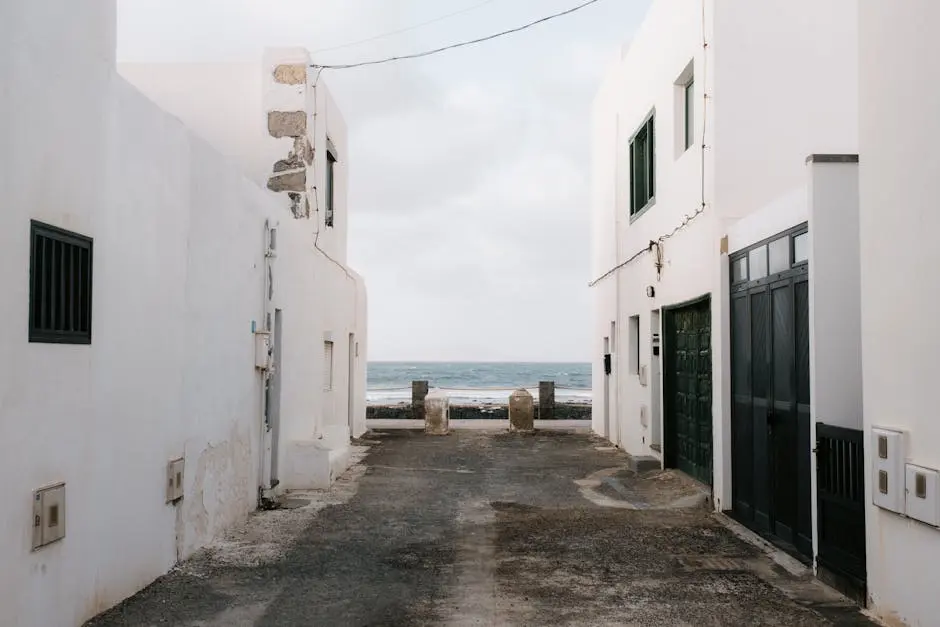
Key takeaways
- March to May and mid-September to November cut flight and hotel prices noticeably compared with July and August.
- Renfe’s Avlo, plus the competitors Ouigo and Iryo, run high-speed trains on Madrid to Barcelona, Valencia, Alicante, Málaga and Seville; booked weeks ahead, these fares are often cheaper than the bus.
- A menú del día (starter, main, drink, dessert or coffee) is served at lunchtime on weekdays and is the cheapest proper meal in the country.
- Madrid’s Prado and Reina Sofía open free in the last two hours of the day; Barcelona’s Picasso Museum and MNAC have free slots too.
- Tap water is safe to drink everywhere in Spain, and restaurants must serve it free on request.
Table of contents
When is the cheapest time to travel in Spain?
The cheapest months with good weather are March to May and mid-September to November. Flight and accommodation prices drop once the school holidays end, and in Andalusia and on the Mediterranean coast it is still warm enough to swim into October.
Watch out for local peaks inside those windows. Semana Santa (the week before Easter) fills Seville, Málaga and Granada, and the Feria de Abril in Seville shortly afterwards does the same. In Madrid and Barcelona hotel prices follow trade fairs and football fixtures, so compare dates a week apart before you fix anything.
January and February are the real bargain months for city trips: hotel rates are at their lowest and Madrid, Seville and Valencia stay mild enough for a full day on foot.
How do you get around Spain cheaply by train and bus?
Book high-speed trains several weeks ahead and compare four operators: Renfe (standard AVE), Renfe’s low-cost brand Avlo, the French-owned Ouigo and the Italian-backed Iryo. All four compete on Madrid to Barcelona and Madrid to Valencia, and Ouigo and Iryo also serve Alicante, Málaga, Seville and Córdoba. Promotional fares start well below the standard AVE price: Ouigo advertises Madrid to Barcelona tickets from 9 euros, and Avlo and Iryo also run promotional fares, so check all three before you book.
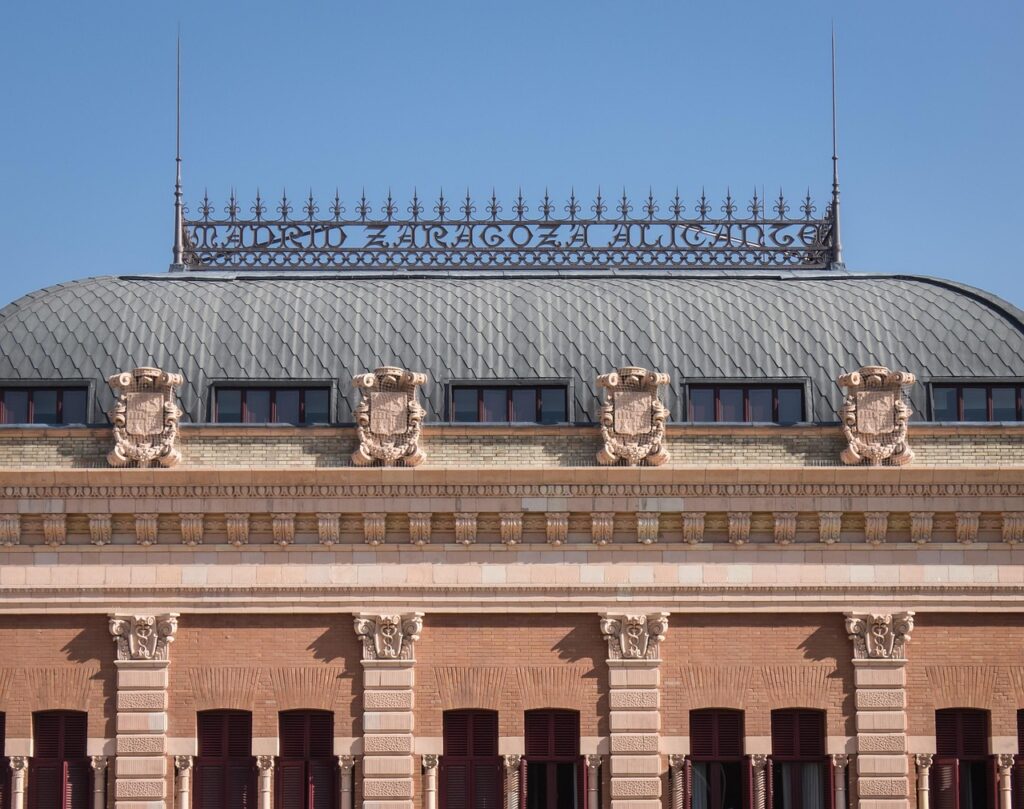
The low-cost operators work like budget airlines: one small bag is included, a large suitcase costs extra, and the surcharge at the platform is higher than online.
Where the high-speed network does not reach, Alsa is the main long-distance bus company and usually the cheapest option. Renfe’s Media Distancia and Cercanías (commuter) trains are fixed-price and need no advance booking.
In the cities, buy a multi-trip ticket rather than singles. Barcelona’s T-casual costs 13 euros and gives 10 journeys on metro, bus and tram in zone 1; it is not valid at the airport stations of metro line L9 Sud, which need a separate airport ticket. Madrid uses a rechargeable Tarjeta Multi (2.50 euros for the card) with a 10-trip Metrobús ticket for zone A loaded onto it for 7.30 euros; the airport metro stations add a 3 euro surcharge. Seville, Valencia and Granada are small enough to walk between most sights.
Find a hotel for your Spain trip
Flight plus hotel for the mainland coasts, searchable by date and budget.
Show Spain offersWhat is the cheapest way to eat well in Spain?
Eat your main meal at lunchtime as a menú del día and keep dinner light. The menú is a fixed-price set meal served on weekdays at lunchtime, with a choice of first and second course, bread, a drink (often including wine or beer) and dessert or coffee.
Pick restaurants by their customers: a dining room full of office workers at lunchtime is a reliable sign, a laminated menu with photos in six languages next to a cathedral is not.
Tapas culture varies by region, and this matters for your budget. In Granada, León and much of Andalusia a free tapa still comes with every drink, so two or three rounds in different bars make a dinner. In Barcelona and Madrid tapas are priced per plate.
La Boqueria in Barcelona and Mercado de San Miguel in Madrid are priced for tourists; neighbourhood markets such as Mercado de Antón Martín in Madrid or Mercat de Sant Antoni in Barcelona sell the same produce for less, and any Mercadona or Lidl covers a park lunch. Tap water is safe throughout Spain. Ask for “agua del grifo”; Spanish law requires hospitality venues to serve it free on request.
Which museums and sights in Spain are free, and when?
Spain’s state museums have fixed free hours, and the big ones are generous. The Museo del Prado in Madrid is free Monday to Saturday from 18:00 to 20:00 and on Sundays and holidays from 17:00 to 19:00, subject to capacity; the Reina Sofía is free Monday and Wednesday to Saturday from 19:00 to 21:00 and on Sundays in set time slots, with the free ticket bookable online. Queues form well before the free slot, so arrive early.
In Barcelona, the Picasso Museum is free on Thursdays from 16:00 to 19:00 and on the first Sunday of the month; a reservation is compulsory and the free slots are released online four days ahead at 10:00. MNAC on Montjuïc is free on Saturdays from 15:00 and on the first Sunday of the month, with online reservation recommended. The Sagrada Família is never free, so budget for it and skip the paid monumental zone of Park Güell; the free upper park has the same views.
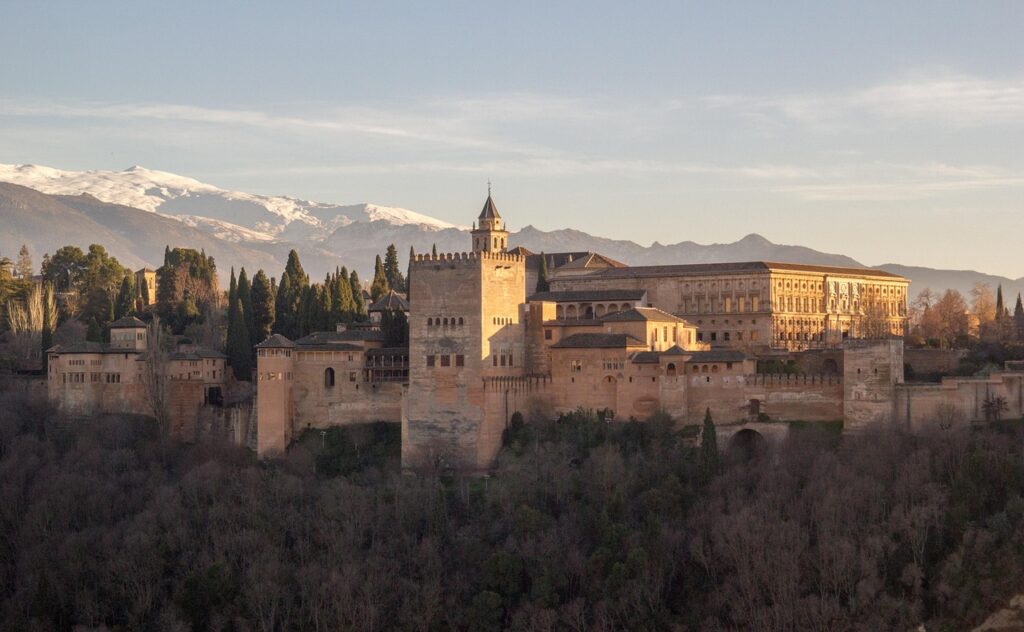
For the Alhambra, book directly on the official Patronato de la Alhambra website as early as possible: daily numbers for the Nasrid Palaces are capped, entry is only valid in the time slot printed on your ticket, you need your passport or ID card at the gate, and resellers charge a heavy markup once the official allocation is gone.
City tourist cards such as the Barcelona Card are rarely worth it: the museums you most want are either free in the evening (Madrid) or only discounted (Sagrada Família). For most visitors a multi-trip transport ticket plus individual tickets comes out cheaper.
Where should you stay in Spain to keep costs down?
Stay slightly outside the historic centre, next to a metro or Cercanías station, and book with free cancellation several weeks ahead. In Madrid that means Lavapiés, Chamberí or Delicias rather than Sol; in Barcelona, Poble-sec, Sant Antoni or Gràcia rather than the Gothic Quarter; in Seville, Triana or the Macarena rather than Santa Cruz.
Hostels often have private rooms that undercut budget hotels for two people, and pensiones and hostales (small family-run guesthouses, not hostels) remain the traditional cheap option in Andalusia and smaller cities.
Tourist apartments are now heavily regulated. Barcelona will not renew its roughly 10,000 tourist flat licences, which run out in November 2028, and Madrid, Málaga and Seville have tightened rules too. Book only listings that show a registration number, because unregistered flats can be cancelled at short notice. Our overview of cheap eats and stays in Spain goes further into accommodation types.
Which small habits save money every day in Spain?
Adjust to Spanish meal times instead of fighting them. Lunch runs into the mid-afternoon and dinner rarely starts before late evening; a restaurant serving a full dinner in the early evening is serving tourists and charges accordingly.
Pay by card in euros, not in your home currency; the offered conversion rate is always worse. Tipping means rounding up or a euro or two, not a fixed percentage.
Haggling is not part of Spanish retail culture, whatever older guides say. It works only at flea markets such as El Rastro in Madrid or Els Encants in Barcelona, and within reason. In shops, the marked price is the price. For the flight side of the budget, our guide to finding cheap travel deals to Spain covers timing and fare alerts.
FAQ
How much does a trip to Spain cost per day on a budget?
The structure is simple: a hostel dorm or pension room, a menú del día at lunch, tapas or a supermarket dinner, a multi-trip transport ticket and one paid sight a day. Madrid and Barcelona cost noticeably more for accommodation than Seville, Valencia or Granada, so the city mix decides the daily figure more than anything else.
Is Spain cheaper than Italy or France for travellers?
For food and public transport, yes. The menú del día has no real equivalent in France, and competition between operators on the high-speed network has pushed fares down. Barcelona hotel prices in high season are the exception.
Can I travel Spain without a car?
Yes, and for a city-based trip we advise against renting one, because the main cities are linked by rail and parking in historic centres is expensive or impossible. A car makes sense only for rural Andalusia, the north coast or the Pyrenees.
Is it cheaper to buy train tickets in advance in Spain?
For high-speed trains, yes, by a wide margin. Avlo, Ouigo and Iryo use airline-style dynamic pricing, and the cheapest seats go first. Regional Media Distancia and Cercanías trains have fixed prices and can be bought on the day.
Do I need cash in Spain?
Very little. Cards are accepted almost everywhere, including small bars and market stalls in cities. Carry a small amount for tips, rural areas and the occasional bar with a minimum card spend.
Fix your dates first, then check the four train operators for the legs between cities before you book any accommodation, because the cheapest train days should decide where you sleep. If you would rather have the flights, trains and rooms put together for you, our travel booking service does that for Spain and the rest of the Mediterranean.
Image credits: Pixabay / c1n3ma; Pexels; Pixabay / Carlos_Bonilla_Miranda; Pixabay / granagramers
Sources (12)
Prices, times and rules in this article come from these sources. Last checked: November 5, 2026.
- museupicassobcn.cat / en/plan-your-visit/buy-tickets-and-opening-hours
- museunacional.cat / en/opening-hours-and-prices
- museodelprado.es / en/visit/opening-times-and-prices
- museoreinasofia.es / en/visit
- tmb.cat / en/barcelona-fares-metro-bus
- crtm.es / media/s1qi0nmo/bocm-20251231-precios_transporte.pdf
- crtm.es / billetes-y-tarifas/buscador/sencillos-y-10-viajes
- crtm.es / billetes-y-tarifas
- ouigo.com / es/en/madrid-barcelona-train
- ajuntament.barcelona.cat / turisme/en/noticia/barcelona-will-not-renew-holiday-flat-...
- ajuntament.barcelona.cat / turisme/en/accommodation-0
- thelocal.es / 20200109/dining-in-spain-how-much-should-you-tip
 Garden Route Itinerary: Stages for Seven to Ten Days
 Train or Plane in Europe: Time, Cost and Comfort Compared
 Venice Tips: Access Fee, Vaporetto and Quieter Districts
 Cape Town Attractions: A Four-Day Plan