7 min read · Published: January 29, 2024 · Updated: October 29, 2026 · Prices and details checked: October 2026
The most memorable experiences in Malta usually involve a person: a glassblower at the furnace, a cook who shows you how her family makes rabbit stew, a fisherman mending nets. These meetings are not hard to arrange, but they rarely appear on the standard sightseeing lists. This guide covers five kinds of local encounters, how to find them and what to ask for.

Key takeaways
- Glass, silver filigree and pottery are still made by hand in Malta, and several workshops let you watch the work and buy from the maker.
- Home cooking is the most direct way into Maltese culture: rabbit stew, stuffed vegetables and ftira bread are family dishes, not restaurant inventions.
- Fishing is a working trade in harbour villages such as Marsaxlokk, and the traditional painted boats are still used for fishing.
- Small farms and village life offer a slower Malta, and they work best outside the hot midsummer weeks.
- Most of these experiences are small operations. Ask ahead, expect to book, and accept that some run only in certain seasons.
Table of contents
Which Maltese crafts can you watch being made?
Glassblowing, silver filigree and pottery are the three crafts you can still see at work in Malta, and the workshops that show them are open to visitors. Watching takes far less time than most people expect, so you can fit a visit into a morning.
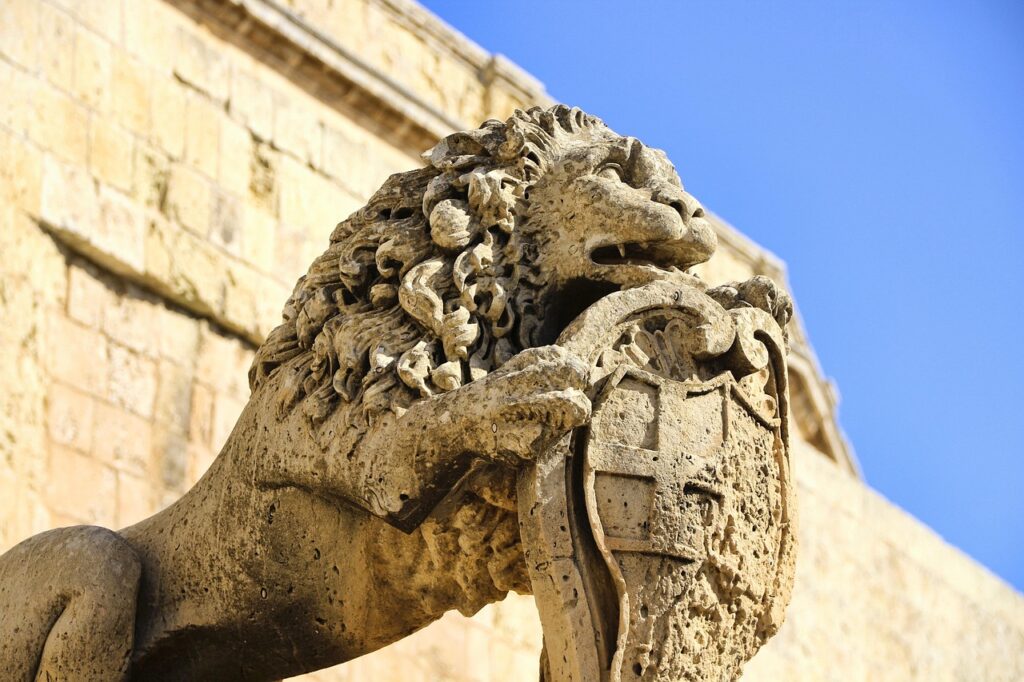
Maltese glass is made from recycled bottles and furnace glass, which gives it its typical thick body and swirled colours. At a glassblowing workshop you stand a few metres from the furnace and see a gather of molten glass turned into a vase or a bowl in minutes. Some workshops offer short sessions where you make a simple piece yourself under supervision. Ask whether this is available on the day you visit, because it depends on staffing.
Silver filigree is made from fine twisted silver wire, shaped by hand into flower patterns and soldered together. The craft goes back centuries on the islands, and a skilled worker can make a small brooch in a few hours. Buy directly from the workshop when you can, so you know the piece was made on the premises. For lace and other Gozo crafts, see our guide to hidden gems and local experiences, which covers them in detail.
Pottery has the longest history of the three, and Maltese potters still turn clay by hand on the island. A good workshop will show you the wheel, the kiln and the glazing, and will sell finished plates, tiles and small figures. Check the opening days before you travel, because small workshops often close on Sundays and public holidays.
How do you cook with a Maltese family or a local cook?
A cooking session with a local cook is the quickest way to learn why Maltese food tastes the way it does, and it lets you eat what you have made. Sessions usually run for a few hours and end with a shared meal.
Typical dishes include stuffat tal-fenek (rabbit stew, often called the national dish), ravjul (small ricotta ravioli), ftira (a flat, chewy bread baked with toppings), kapunata (the Maltese version of ratatouille) and imqarrun il-forn (baked pasta). Ġbejniet, the small sheep or goat cheeses, appear in many of them. Good sessions begin with shopping for ingredients or picking them, so you see what is in season.
Look for small-group classes, ideally in a home kitchen or a farmhouse, not a large demonstration for tour groups. Ask how many people take part, whether ingredients are local, and whether vegetarian dishes are possible. Tell the host about allergies when you book, not on the day.

Combine your trip with a hotel in Malta
Flight plus hotel in Sliema, St. Julian's or Gozo for your dates and budget.
Show Malta offersCan you go out with a Maltese fisherman?
Yes, but the options are limited and depend on the weather, the season and the individual boat owner. The most reliable way to see the fishing trade up close is to spend time in a working harbour instead of booking a fixed tour.
Marsaxlokk is the best known fishing village in the south-east, and its harbour is filled with luzzus, the traditional wooden boats painted in bright colours with an eye on the bow. The eye is a protective symbol with roots in older Mediterranean seafaring. Walk the quay in the early morning and you will see crews landing the catch and mending nets. Many fishermen are happy to talk if you do not interrupt their work.
Some boat owners offer small group trips, where you go out with the crew and see lines or nets set. These are small private arrangements, so ask your host or a local guide, and book early. If you cannot find a trip, eat in a harbour restaurant that serves the day’s catch, which is the second best way to connect with the trade. The sea in the south-east can be rough in winter, and trips are often cancelled when it is.
What is it like to visit a Maltese farm?
Maltese farms are small, family run and built on terraced fields held by dry stone walls, and a visit shows you a side of the islands most tourists never notice. The landscape is drier than people expect, so crops follow the rainy season closely.
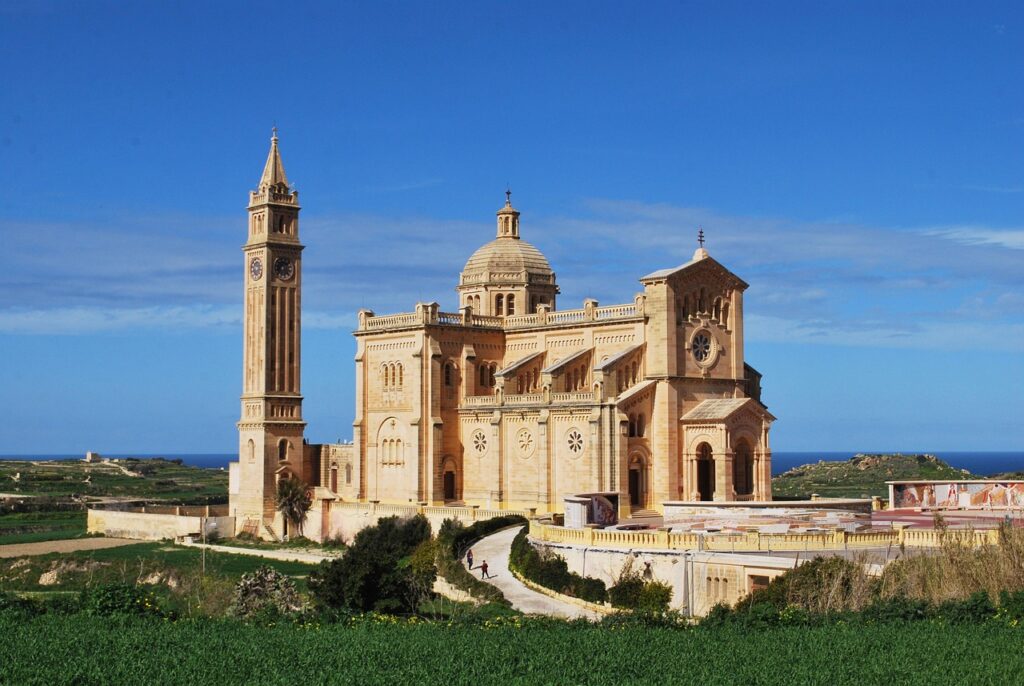
Typical produce includes tomatoes, potatoes, olives, capers, prickly pear, grapes and citrus, plus sheep and goats that supply the local cheese. Some farms and estates offer tours that include tasting olive oil, cheese or wine. Gozo has more farmland than Malta and is the easier place to find a quiet farm visit, though you can find them on both islands.
Spring is the best time for green fields and wild flowers. Summer is hot, and farm visits are best done in the morning. Wear closed shoes, bring water and a hat, and do not wander into fields without permission, because the land is private.
How do you experience village life without intruding?
Village life in Malta centres on the parish church, the main square and the local band club, and you can take part simply by being there at the right time. You do not need a tour. You need patience and some respect.
Spend a morning in a village outside the main resort areas. Buy bread at the bakery, have a coffee at a square café and see who comes and goes. The church bells mark the hours, and on Sundays the square fills after mass. Band clubs are social centres as much as music groups, and many welcome visitors who are polite and curious.
Keep a few rules in mind. Dress modestly when you enter a church. Do not photograph people at close range without asking. Do not treat a village as a backdrop, because people live and work there. A short greeting in Maltese, such as “bonġu” for good morning, usually gets a warm response. If you want to go further, see our list of places beyond the usual routes.
FAQ
Do I need to book these experiences in advance?
Yes, for most of them. Workshops, cooking sessions and farm visits are small operations with limited space, and many run only on certain days. Contact them a few days ahead, or earlier in high season. Walking through a harbour or a village needs no booking.
Are these experiences suitable for children?
Many are, especially glassblowing demonstrations, farm visits and harbour walks. Workshops with furnaces or sharp tools may have age limits for taking part, so ask when you book. Fishing trips depend on the sea conditions and the boat owner’s rules.
Do I need a car?
Not for all of them. Buses and ferries reach the main harbour villages and towns, and a taxi or a short hire car day helps with farms and countryside workshops. If you are based in Sliema or Valletta, we advise against hiring a car for the whole stay, because parking is limited.
When is the best time of year?
Spring and autumn suit nearly every activity: the weather is mild, the fields are green or harvested, and the fishing harbours are active. Midsummer is hot, and winter can be rough at sea, so check the forecast for boat trips.
How do I find a reliable host or workshop?
Ask the person who looks after your accommodation, because local hosts know which workshops and cooks welcome visitors. Look for small operations with a real address and clear opening days. Be cautious about any offer that sounds like a large coach tour in disguise.
What should you do next?
Choose one or two of these encounters instead of trying all five, and give each enough time to feel unhurried. If you stay in Sliema or St. Julian’s, our own holiday apartments put you within reach of Valletta, the ferries and the bus network.
Image credits: Pexels; Pixabay / GregMontani; Pixabay / Mojpe
 Seychelles with Kids: Beaches, Reserves and Turtles
 A Week on a Yacht: Daily Life, Space, Seasickness and Cost
 Things to Do in Pretoria: A Day Trip Plan from Johannesburg
 Sicilian Cuisine: What to Eat, Drink and Order in Sicily