6 min read · Published: July 22, 2024 · Updated: October 29, 2026 · Prices and details checked: October 2026
Malta is one of the easiest Mediterranean destinations for a first visit: English is an official language, you pay in euros, the islands are small enough to cover by bus and ferry, and the season runs longer than on most European coasts. This page covers the basics you need before you decide, without a sightseeing list.
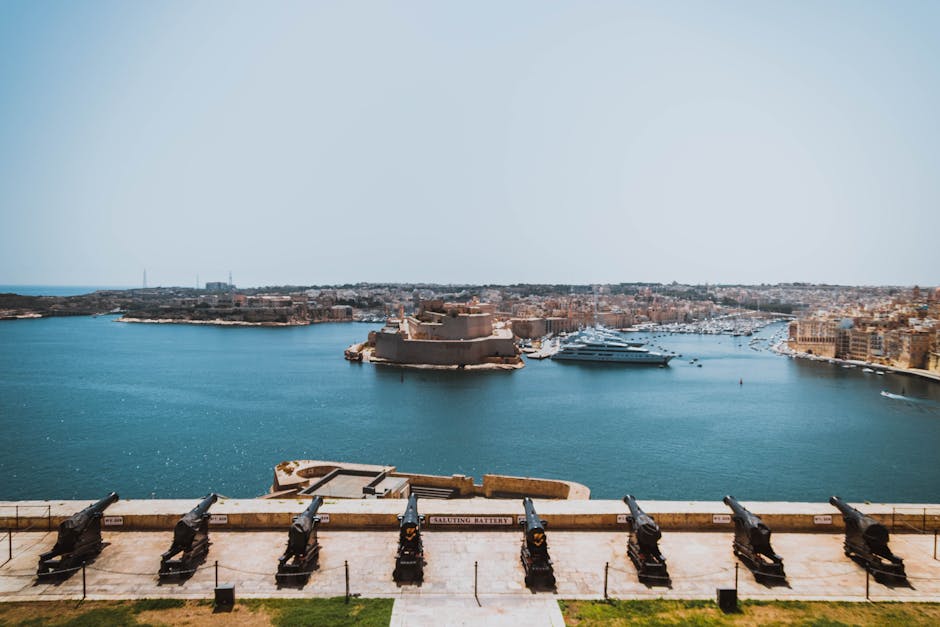
Key takeaways
- Malta lies in the central Mediterranean, south of Sicily, and is an EU member that uses the euro.
- English and Maltese are both official languages. Signs, menus, bus displays and contracts are in English.
- You do not need a car. A single bus journey costs 2.00 euros in winter and 2.50 euros in summer and is valid for two hours with free changes.
- Traffic drives on the left, which matters if you hire a car and when you cross the road.
- Sliema and St Julian’s are the most convenient bases for a first visit, with the Valletta ferry and the main bus routes on the doorstep.
Table of contents
Where is Malta and how do you get there?
Malta is a small island state in the central Mediterranean, south of Sicily, and almost every visitor arrives at the international airport near Luqa. The country consists of the main island of Malta, the quieter island of Gozo to the north west and tiny Comino in between.
Direct flights operate from many European cities, and from central Europe the flight is short enough for a long weekend. The airport lies in the south east of the main island, close to every tourist area. Gozo is reached by the Gozo Channel ferry from Cirkewwa to Mgarr in about 25 minutes, with a passenger fare of 4.65 euros covering the round trip, so the whole country is within reach of one base.
Will you get by in English?
Yes. English is an official language alongside Maltese and is used in administration, business and tourism. You will hear Maltese everywhere, a Semitic language written in Latin script with many Italian and English loanwords, but you will never be stuck. You can read the small print of a rental agreement, ask a pharmacist a precise question or sort out a problem at a bus stop without a translation app.
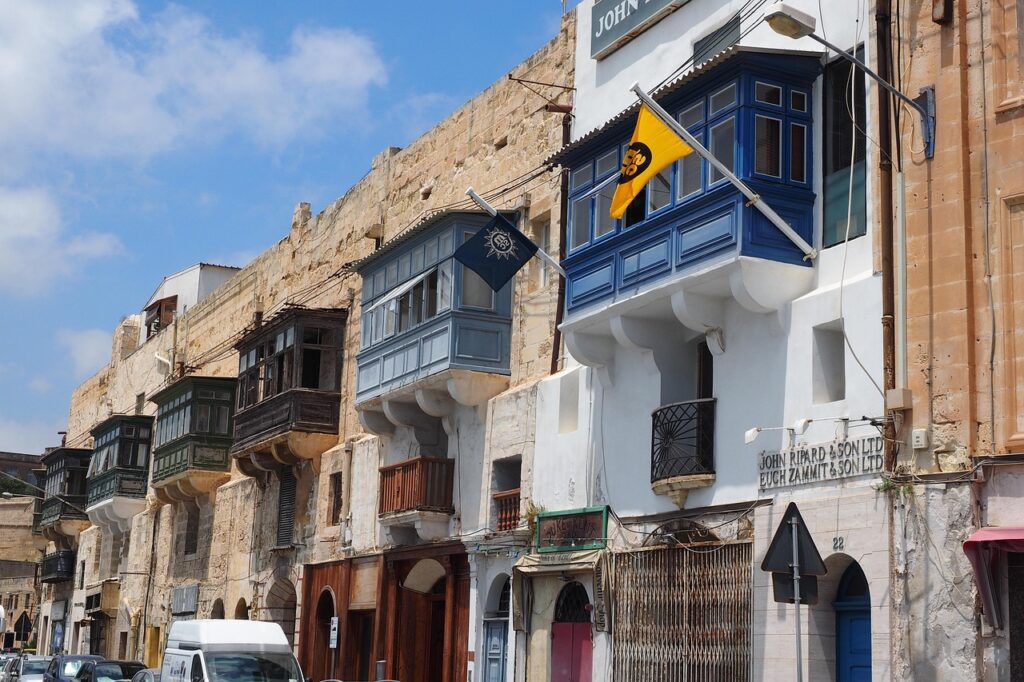
Combine your trip with a hotel in Malta
Flight plus hotel in Sliema, St. Julian's or Gozo for your dates and budget.
Show Malta offersWhat currency, plugs and paperwork do you need?
Malta is in the European Union, the euro zone and the Schengen area, so EU visitors need no currency exchange and travel with their normal identity documents. Card payment is widespread; cash is handy for kiosks, market stalls and the bus driver. Sockets are the British type G, so bring an adapter per device. Tap water is safe but has a mineral taste, which is why many visitors prefer bottled or filtered water.
One small cost to know in advance: Malta charges an environmental contribution of 0.50 euros per person and night for guests aged 18 and over, capped at 5.00 euros per person and stay. Your accommodation collects it on arrival.
What is the weather like through the year?
Malta has a Mediterranean climate: hot, dry summers, mild and sometimes wet winters, and long shoulder seasons that suit most first-time visitors best. Summer, from June to September, is beach and boat season with strong sun, warm sea and busy coastal towns, so plan sightseeing for early morning or evening.
Spring and autumn are the sweet spot for walking, history and city breaks: the sea is still swimmable well into autumn and queues are shorter. Winter is quiet and green after the first rains, good for sightseeing, less so for a sun holiday, and some boat services pause.
Is Malta a safe destination?
Malta is generally regarded as one of the safer destinations in Europe, and visitors move around freely at all hours in the main towns. The usual city habits apply: watch your bag on crowded buses and in nightlife areas such as Paceville, and leave nothing visible in a parked car.
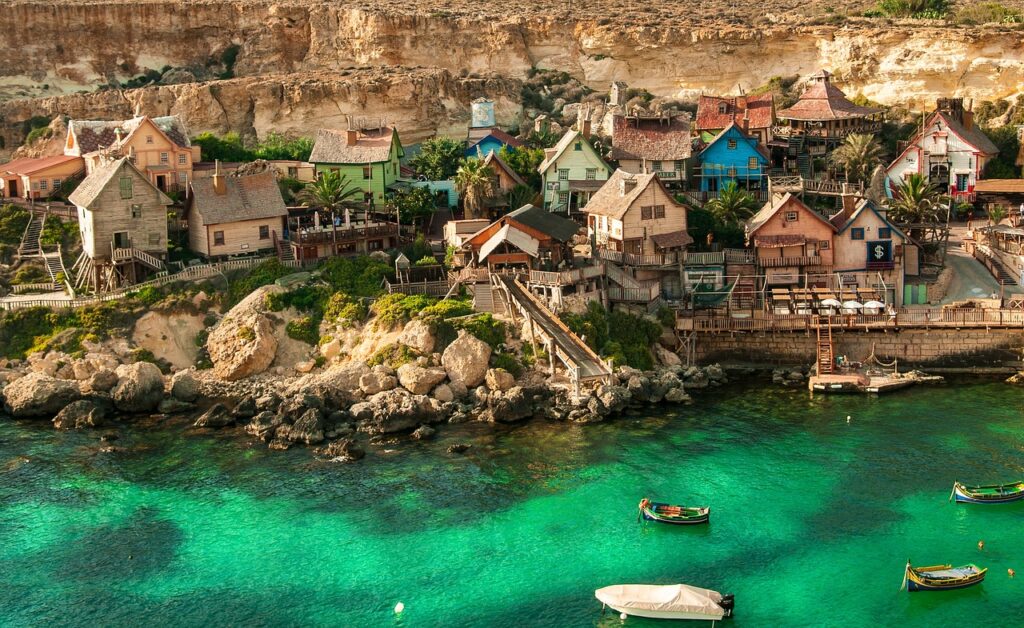
The real risks are sun and sea rather than crime. Carry water, respect the red flag at beaches and take care on cliff paths, where the limestone edges can crumble. Pharmacies are plentiful and English speaking.
Do you need a car, and what about driving on the left?
For a first visit based in Sliema, St Julian’s or Valletta you do not need a car, and we advise against one because parking is scarce and the ferry and buses are quicker. Traffic drives on the left, so look right first as a pedestrian and allow time to adjust if you do drive.
The bus network reaches every town and most beaches. A single ticket costs 2.00 euros in winter and 2.50 euros in summer and stays valid for two hours including changes. For a week, the Explore card at 25 euros for adults covers unlimited day and night routes and is sold at sales offices. Between Sliema and Valletta the harbour ferry runs every 30 minutes for 3.00 euros one way and beats the bus for time and views.
A car makes sense for a few days on Gozo, and the Gozo Channel ferry takes it across for 15.70 euros including the driver. For transfers, SIM cards and other details, read our practical Malta planning guide.
FAQ
How many days do you need for a first visit to Malta?
A long weekend covers Valletta, Mdina and one beach day. A full week lets you add Gozo, Comino and a boat trip without rushing. Beyond that, most visitors treat Malta as a base with day trips rather than a checklist.
Can you swim in Malta outside summer?
Yes. The sea stays warm enough for many people into October, and sheltered bays are used year round by locals. In winter, swimming is for the hardy, but the coast is good for walking.
Is Malta suitable for families and older travellers?
Yes on both counts. English, short distances and flat seafront promenades make Sliema and St Julian’s easy, and children under 4 travel free on buses. Valletta and Mdina have steps and steep streets, so plan rest stops and use the Upper Barrakka lift in Valletta, which costs 1.00 euro return.
When do the village festas take place?
The main festa season runs from June to September, with each parish celebrating its patron saint over several days with band marches, street decorations and fireworks. Our Malta festivals guide covers the fixed dates through the year.
If English, the euro, a long season and short distances sound like your kind of trip, Malta is a sensible choice for a first Mediterranean break. Start with the base: our own holiday apartments in Sliema and St Julian’s sit right by the ferry and bus links described above.
Image credits: Pexels; Pixabay / wilmar78; Pixabay / Magdalenalena
 Seychelles with Kids: Beaches, Reserves and Turtles
 A Week on a Yacht: Daily Life, Space, Seasickness and Cost
 Things to Do in Pretoria: A Day Trip Plan from Johannesburg
 Sicilian Cuisine: What to Eat, Drink and Order in Sicily