7 min read · Published: August 29, 2023 · Updated: October 29, 2026 · Prices and details checked: October 2026
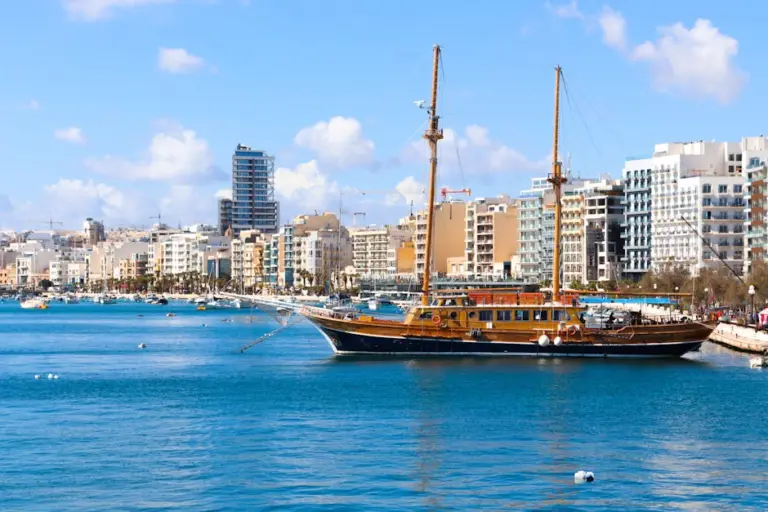
Sliema is a good base in Malta if you want a long seafront walk, rock swimming at your door and a 30 minute ferry rhythm to Valletta. It is a dense, urban resort town, not a quiet village, and its shoreline is rocky rather than sandy. This guide covers what daily life here looks like and how to get around from it.
Key takeaways
- The promenade runs for kilometres along the Sliema and Tigné shoreline and is the town’s main public space, from early morning jogging to evening walks.
- Sliema has almost no sand. You swim from rocks, ladders and paid lidos, so bring water shoes.
- The ferry to Valletta costs 3.00 EUR single or 5.00 EUR return and leaves every 30 minutes, first departure from Sliema at 06:45.
- Buses cost 2.00 EUR in winter and 2.50 EUR in summer, and one ticket lasts 2 hours with free changes.
- Shopping and everyday errands are easy on foot, with two large shopping centres and many small shops within the same area.
Table of contents
What is the Sliema promenade actually like?
The promenade is a continuous paved walk along the water, linking the Sliema Ferries area with the Tigné peninsula and the bays on the other side. It is flat, mostly shaded only by buildings, and busy at sunset when residents and visitors walk the same stretch.
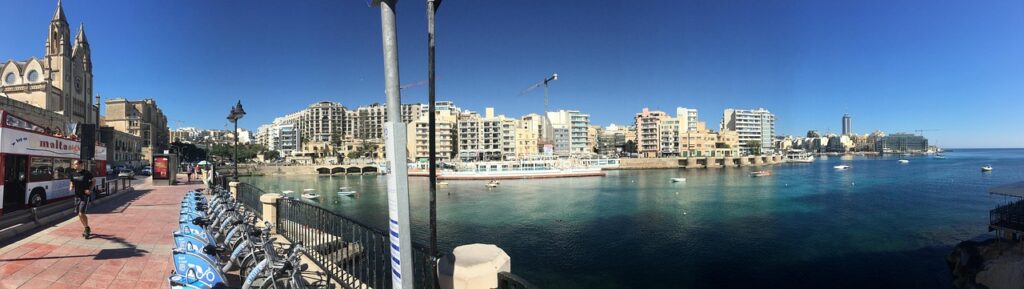
Cafés and restaurants line the inland side, and benches face the water almost everywhere. Views reach across Marsamxett Harbour to Valletta’s bastions. Walk it in the early morning in summer, before the heat builds, and again after dark when the city is lit across the water.
Where can you swim in Sliema?
You can swim from the rocks and from small, paid lido platforms along the shore, not from a sandy beach. Entry is usually by ladder or a smooth rock slab, so water shoes help, as the rock is sharp and can be slippery.
Popular areas include the Exiles stretch and the Qui Si Sana and Fond Għadir side of the front, where locals swim from early in the morning. Lidos rent sunbeds and umbrellas for a fee, which gives you a flat place to sit and a safer entry. Look at the sea before you go in: on windy days the water can be rough along exposed rock. If you want a sandy beach, you will need a bus or boat trip to another part of the island, and we cover that in our guide to Comino and the Blue Lagoon.
Combine your trip with a hotel in Malta
Flight plus hotel in Sliema, St. Julian's or Gozo for your dates and budget.
Show Malta offersHow do you get from Sliema to Valletta?
The ferry is the quickest and most pleasant way, and it runs every 30 minutes. Adult fares are 3.00 EUR single or 5.00 EUR return by day, children pay 1.00 EUR single or 1.50 EUR return, and from 19:30 the fare rises to 3.50 EUR single or 5.20 EUR return. The first departure from Sliema is at 06:45. In summer (1 June to 31 October) the last sailings run until around 01:00 to 01:30, in winter (1 November to 31 May) they finish earlier, so check the current timetable at vallettaferryservices.com before a late evening.
The ferry lands below Valletta’s walls, so expect a climb up to the city. For what to see once you are there, read our walking guide to Valletta. The bus also works if you prefer a ticket you can reuse, but the ferry avoids traffic on the coast road.
How does the bus network work from Sliema?
Sliema is one of the main bus hubs on the north side of the island, with routes to Valletta, the airport area and other towns, so you can reach most places without changing more than once. Fares are the same across the island: 2.00 EUR for a day route in winter, 2.50 EUR in summer, 3.00 EUR for a night route. A ticket is valid for 2 hours and you can change buses free during that time.
If you will travel by bus most days, the Explore Adult 7 day ticket costs 25.00 EUR and is sold at sales offices, covering day and night routes but not Tallinja Direct. The 12 Single Day Journeys card costs 19.00 EUR, is valid for 6 months and can be shared. Travelling without a valid ticket carries a 50 EUR fine, so buy one before you sit down. Free travel applies only with a personalised Tallinja Card, so visitors should plan on paying the normal fare. Always check the timetable on publictransport.com.mt, because routes and stops change between seasons.
Where do you shop in Sliema?
Sliema is one of the main shopping areas on the island, with two large centres, The Point and The Plaza, plus a long street of high street chains and independent shops within walking distance of the front. The malls are useful on a rainy day or in midday heat, because they combine shops with cafés and, at The Plaza, a cinema.
For souvenirs, look in the small shops in the side streets rather than the main arcades, where Maltese lace, glass and silver filigree are easier to find. Larger supermarkets and pharmacies are nearby, which matters if you rent an apartment and cook for yourself.
What kind of food can you find in Sliema?
You can find almost every category of food in a short walk: Maltese bakeries and snack shops, casual cafés, seafood restaurants on the water, Italian places, and international kitchens. Prices and quality vary more with location than with style, so a café directly on the promenade usually costs more than one a few streets back.

For a quick local bite, ask for a pastizz, a flaky pastry filled with ricotta or peas, from a bakery rather than a restaurant. For a longer meal, choose places that show a daily fish list on a board and ask what came in that morning. Book ahead for waterfront terraces on summer evenings, as they fill early. If you want a wider view of Maltese food, our culinary guide for foodies covers dishes across the island.
Is Sliema a good base for a first stay?
Yes, if you like having shops, restaurants, public transport and the sea within a few minutes on foot. It suits people who want to move around the island without a car, because the ferry and bus network are both close. It suits you less if you want empty beaches or silence at night, as the area is busy and built up. Sliema’s neighbour St. Julian’s is a short walk along the coast and is livelier at night, so choose the side that matches how late you plan to stay out.
FAQ
Is there a sandy beach in Sliema?
No. The Sliema shoreline is rock, with ladders, platforms and paid lidos for swimming. Sandy beaches are a bus or boat ride away, in other parts of Malta and on Gozo and Comino.
How much is the ferry from Sliema to Valletta?
An adult single costs 3.00 EUR and a return costs 5.00 EUR by day. Children pay 1.00 EUR single or 1.50 EUR return. After 19:30 the fares are 3.50 EUR single and 5.20 EUR return.
Can you use the same ticket on buses and the ferry?
No. The bus ticket from Malta Public Transport and the ferry ticket from Valletta Ferry Services are separate, so you buy each one on its own. A bus ticket lasts 2 hours and allows free changes between buses.
Is Sliema safe to walk at night?
The promenade and main streets stay busy into the evening and are generally comfortable to walk. As in any busy town, keep valuables out of sight and take care on unlit rocky stretches near the water, where the footing can be uneven.
Do you need a car in Sliema?
No. Parking is limited and traffic on the coast road is heavy, so we advise against renting a car for a Sliema stay. The ferry, buses and your feet cover most of what you need, and you can hire a car for a single day if you want to see remote parts of the island.
Where should you stay next?
If you want to stay in Sliema or neighbouring St. Julian’s, we rent our own holiday apartments there, which you can see on our holiday apartments page. For other trips and bookings worldwide, use our booking page.
Image credits: Alexis Kimmich, Unsplash; Pixabay / ditagabalina0; Pixabay / ansondavid
 Seychelles with Kids: Beaches, Reserves and Turtles
 A Week on a Yacht: Daily Life, Space, Seasickness and Cost
 Things to Do in Pretoria: A Day Trip Plan from Johannesburg
 Sicilian Cuisine: What to Eat, Drink and Order in Sicily