8 min read · Published: August 19, 2024 · Updated: October 29, 2026 · Prices and details checked: October 2026
The parts of Malta that stay with you are rarely sights. They are things you do at the right time in the right place: a parish festa on a Saturday night, the fish stalls in Marsaxlokk before the coaches arrive, a wooden boat across the Grand Harbour. Here are ten such experiences, how to time them and how to reach them by bus or ferry. For quiet coves and temples, see our list of hidden places in Malta
Key takeaways
- Village festas run from June to September; fireworks peak on the Saturday night, the procession follows on the Sunday evening.
- The Marsaxlokk market is a fish market only early on Sunday morning; by late morning the same quay sells souvenirs.
- A dgħajsa water taxi crosses from the Valletta waterfront to Birgu; the Upper Barrakka lift (1 euro return) saves the climb back.
- Gozo is a 25 minute crossing from Ċirkewwa for 4.65 euros return on foot, enough for the Xwejni salt pans and a lace workshop in one day.
- A bus ticket costs 2 euros in winter and 2.50 euros in summer, valid for two hours with changes, so none of this needs a hire car.
Table of contents
- How do you experience a Maltese village festa properly?
- Which coastal walks show you the Malta most visitors never see?
- What is worth getting up early for on Sunday morning?
- Why take a dgħajsa instead of the bus to the Three Cities?
- What can you still see of traditional crafts on Gozo?
- Where do you taste Maltese wine rather than just drink it?
- How does an evening on Valletta’s Strait Street work?
- Where do you eat fish the way Maltese families do?
- FAQ
How do you experience a Maltese village festa properly?
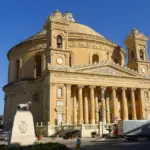
Pick one parish, arrive on the Saturday evening and stay for the fireworks; that is when a festa shows its best side. Every town and village honours its patron saint once a year, mostly between June and September, with banners, lights and statues in the streets all week.
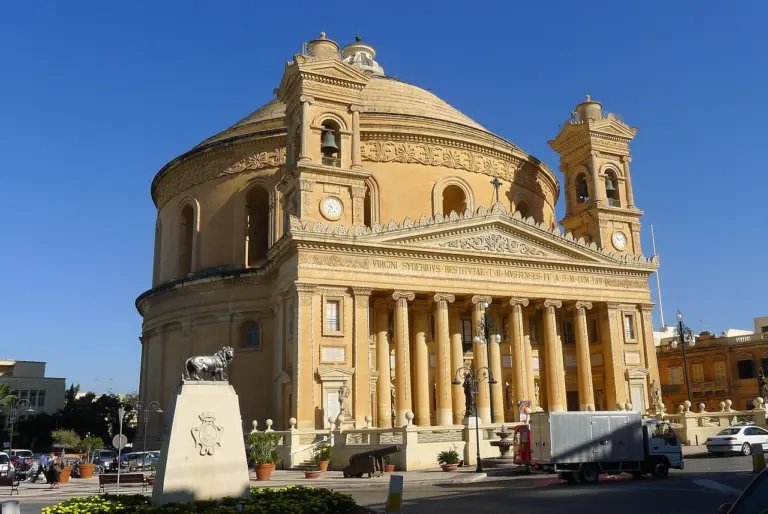
On the Saturday the band clubs march, the bars around the square stay open late and the fireworks follow after dark. On the Sunday evening the saint’s statue is carried out of the church on the shoulders of local men, with confetti from the balconies. Lija, Mosta, Żebbuġ and Għaxaq are known for their fireworks, but any parish within a bus ride will do; ask your host which festa falls in your week.
A festa is a religious feast, not a show for visitors: dress as you would for a church if you go inside, keep off the procession route and buy your beer and qubbajt (nougat) from the stalls, which fund the band clubs. Our Malta festivals guide lists the fixed dates
Which coastal walks show you the Malta most visitors never see?
The Xemxija Heritage Trail and Il-Majjistral Nature and History Park are the two walks we send guests to who want countryside rather than beaches. Both are free, neither has shade, both are best from October to May.

The Xemxija Heritage Trail starts behind the bay at Xemxija, on the north side of St Paul’s Bay, and climbs an old lane past a stretch of Roman road, rock-cut tombs, cart ruts and ancient bee-keeping niches. It is a short, steep loop rather than a hike; go in the morning and walk back down for a swim or lunch.
Il-Majjistral is Malta’s first national park and covers the cliff-top garigue between Golden Bay and Anchor Bay in the north west. Marked paths follow the cliff edge past rubble walls, hunters’ hides and old farm buildings, and the park runs guided walks on some weekends. Wear shoes with grip.
Combine your trip with a hotel in Malta
Flight plus hotel in Sliema, St. Julian's or Gozo for your dates and budget.
Show Malta offersWhat is worth getting up early for on Sunday morning?
The Marsaxlokk market, but only if you arrive while the fishermen are still unloading. Early on a Sunday the quay is a working fish market: tuna, swordfish, octopus and, from late summer into autumn, lampuki on ice while locals shop for lunch.
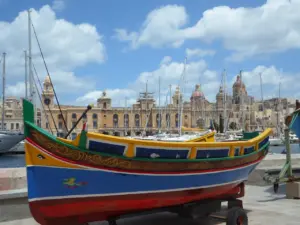
By late morning the stalls have turned to tablecloths and fridge magnets and the coaches have arrived. The painted luzzu boats stay in the harbour all day, so you lose nothing by coming at dawn and leaving when the crowds appear. Buses run directly from Valletta; from Sliema plan one change at the terminus and check the thinner Sunday timetable the night before.
Why take a dgħajsa instead of the bus to the Three Cities?
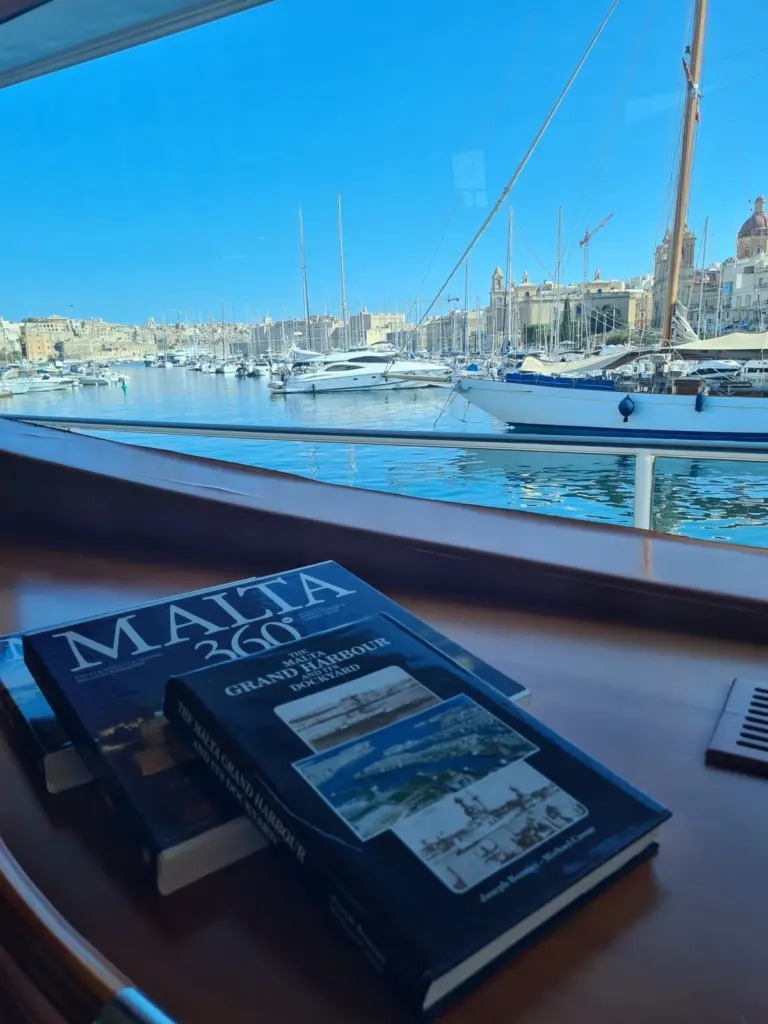
Because the dgħajsa, the traditional wooden harbour boat with the high prow, gives you the Grand Harbour from water level, while the bus goes around it through traffic. The boats leave from the Valletta waterfront below the Upper Barrakka Gardens and cross to Birgu (Vittoriosa).
Agree the fare with the boatman before you step in, and ask for a loop around the creeks if the sea is flat; the boatmen know every bastion.
To reach the waterfront from the city, use the Upper Barrakka lift: 1 euro return, free for children under 10 and for anyone with a valid Three Cities to Valletta ferry ticket; it runs until 9 in the evening in winter and until midnight in summer. The Valletta Ferry Services boat from Cospicua, every 30 minutes, is the practical way back once you have walked Birgu and Senglea.
What can you still see of traditional crafts on Gozo?
Salt and lace, both made by hand and sold by the people who make them. Gozo is a 25 minute crossing from Ċirkewwa; the foot passenger fare of 4.65 euros covers the round trip and is paid at Mġarr on the Gozo side.
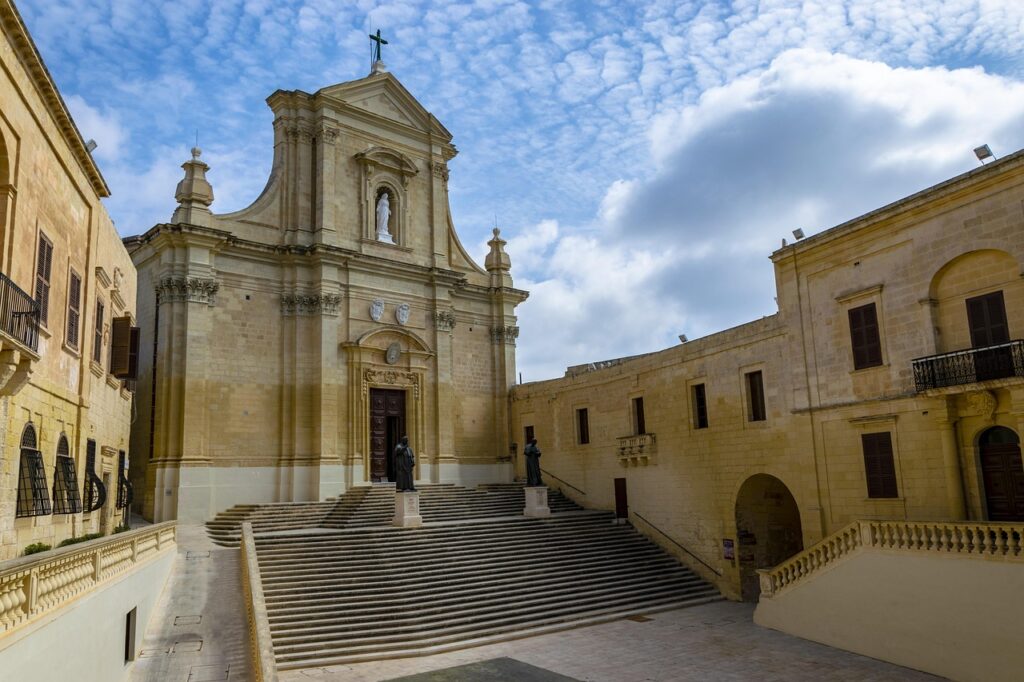
The Xwejni salt pans lie just west of Marsalforn, a chequerboard of shallow pools cut into the rock shelf and worked by the same families for generations. Salt is harvested in the dry summer months and sold from small huts in the cliff behind the pans; outside summer you can still walk the pans and buy last season’s salt. Take the bus from Victoria to Marsalforn and walk west.
Gozo lace, bizzilla, is bobbin lace worked on a cushion; you will still find women making it in doorways in Victoria and at the Ta’ Dbieġi Crafts Village near San Lawrenz. Ask before you photograph and buy from the maker rather than a souvenir shop; a genuine collar takes days and is priced accordingly.
Where do you taste Maltese wine rather than just drink it?
At a winery with its own vineyards, where you can try Girgentina and Ġellewża, the two native grapes that rarely leave the islands; supermarket shelves are full of imported Italian wine.
Meridiana at Ta’ Qali grows its vines below Mdina and offers tastings with a view of the walled city. Marsovin, the oldest of the larger producers, opens its cellars in Marsa for tours. On Gozo, Ta’ Mena Estate near Xagħra pairs its wine with its own olive oil and ġbejniet, the small sheep’s cheeses, a good lunch stop on a Gozo day. All three ask you to book ahead.
How does an evening on Valletta’s Strait Street work?
Arrive after dinner, start at the lower end near Fort St Elmo and let the bars find you. Strait Street, Strada Stretta, was the sailors’ bar district of the British fleet and is now a narrow lane of wine bars, small music venues and restaurants on the steps.
The street is barely wide enough for a table and two chairs on each side, so the atmosphere is the point: live jazz from one doorway, a Maltese band from the next. Friday and Saturday are busiest; midweek you get the same bars with seats to spare.
Getting back is the only planning you need. The Sliema ferry charges the night fare of 3.50 euros one way from 19:30; in summer the last boats leave around 1 am, earlier in winter. After that, night buses marked N cost 3 euros from the terminus outside the city gate.
Where do you eat fish the way Maltese families do?
In Marsaskala, around the long inlet on the south east coast, where the restaurants line the bay and the Sunday tables belong to local families rather than tour groups. It is less photogenic than Marsaxlokk, which is why it is often better value.
Order what the boats landed: aljotta, the garlic and tomato fish soup, grilled lampuki in late summer and autumn, octopus stew (stuffat tal-qarnit) or a whole fish by weight from the counter, and ask the price per kilo before it goes on the grill. Marsaskala is a direct bus ride from Valletta; book on Sundays and in August.
FAQ
Do I need a hire car for these experiences?
No. Everything here is on a bus route from the Valletta terminus, and Gozo adds the ferry from Ċirkewwa. For several outings, the 7 day Explore card for 25 euros from a sales office covers day and night routes.
How much time should I allow for a Gozo day?
A full day from Sliema. Bus 222 takes you to Ċirkewwa, the crossing is 25 minutes, and on Gozo the buses radiate from Victoria, so the salt pans, a lace workshop and lunch at a winery fill the day. If Gozo matters to you, stay a night or two there.
Is a village festa suitable for children?
Yes, with two caveats: the fireworks are loud and close, and Saturday runs late. Families with small children come for the band march in the early evening and leave before the main fireworks. The Sunday procession is calmer.
Are these experiences free?
The walks, the salt pans, the festa and the market cost nothing beyond the bus. Budget for the dgħajsa, the Gozo ferry, the wine tastings and meals, and ask the price first for the tastings and for fish sold by weight.
Choose three or four of these rather than all ten; a festa night, a Gozo day and a Sunday morning in Marsaxlokk already give a week its shape. The holiday apartments we arrange in Sliema and St. Julian’s sit on the bus and ferry routes used in this guide: holiday apartments in Malta
Image credits: Pixabay / Efraimstochter; Travelissimo; Pixabay / user32212; Pixabay / db_oblikovanje
Sources (6)
Prices, times and rules in this article come from these sources. Last checked: October 29, 2026.
 Holiday Apartment or Hotel? How to Choose and Book Well
 Best Beaches in Europe 2027: Eight Beaches and How We Chose Them
 Most Popular Cities in Europe 2027 and When to Go
 Summer Holidays 2027: When to Book and Where to Go