7 min read · Published: August 19, 2024 · Updated: October 29, 2026 · Prices and details checked: October 2026
The right Malta holiday home depends less on the property than on who is travelling. A family, a couple, a remote worker staying two months and a retired couple each need a different floor plan, location and set of extras. Below are the decision criteria for each traveller type and a checklist to run through before you pay a deposit.
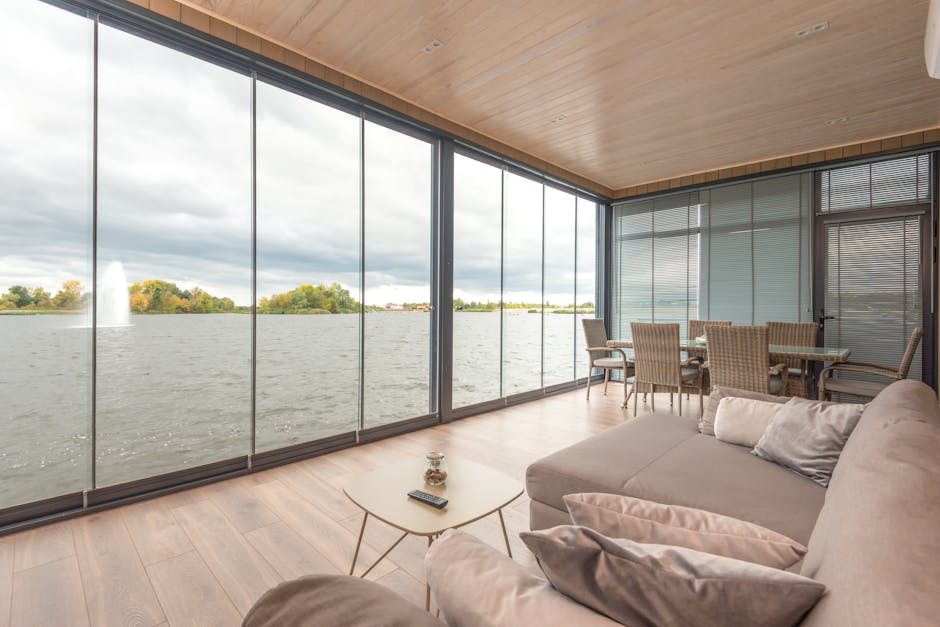
Key takeaways
- Families: second bedroom, lift or ground floor, bus stop a few minutes away; children under 4 travel free on Malta’s buses, so a central base works without a car.
- Couples: a seafront flat in Sliema or St. Julian’s; the Sliema ferry to Valletta runs every 30 minutes at 3 EUR single or 5 EUR return.
- Remote workers: internet speed in writing, a real desk, a monthly rate; a 7 day Explore bus pass costs 25 EUR.
- Seniors: lift, walk-in shower and a flat street outside the door, because many Maltese towns sit on steep slopes.
- Every guest aged 18 or over pays an Eco Contribution of 0.50 EUR per night, capped at 5 EUR per stay. Make sure it appears in the quote.
Table of contents
- Which Malta holiday home suits a family with children?
- What should a couple look for in a holiday home in Malta?
- What does a remote worker or long-stay guest need from a Malta holiday home?
- Which holiday home works best for seniors and anyone with limited mobility?
- How do you compare two Malta holiday homes that both look good?
- Checklist before you book a Malta holiday home
- FAQ
Which Malta holiday home suits a family with children?
For a family, the best holiday home has at least two separate bedrooms, a washing machine, a kitchen you can actually cook in and a bus stop close by. Everything else is secondary.
Look for ground floor flats or buildings with a lift. Maltese apartment blocks are often four or five storeys with narrow stairwells, and carrying a pushchair to the fourth floor gets old by day two. Ask the host which floor the flat is on; listings do not always say.
Sliema and St. Julian’s put you within walking distance of rocky swimming spots, playgrounds and supermarkets, with the bus network radiating out from there. Bugibba and Qawra are calmer and closer to the sandy beaches around Mellieha. A single bus journey costs 2 EUR in winter and 2.50 EUR in summer, stays valid for two hours including changes, and children under 4 ride free. A 7 day Explore Child pass for ages 4 to 10 costs 7 EUR.
Also check shutters in the children’s room, a cot if needed, a balcony railing a toddler cannot climb, and air conditioning in every bedroom rather than only the living room.
What should a couple look for in a holiday home in Malta?
A couple can trade space for location and view. A one bedroom apartment with a sea-facing balcony in Sliema, Gzira or St. Julian’s beats a larger flat two streets inland, because you will spend evenings outside rather than in a second room you never use.
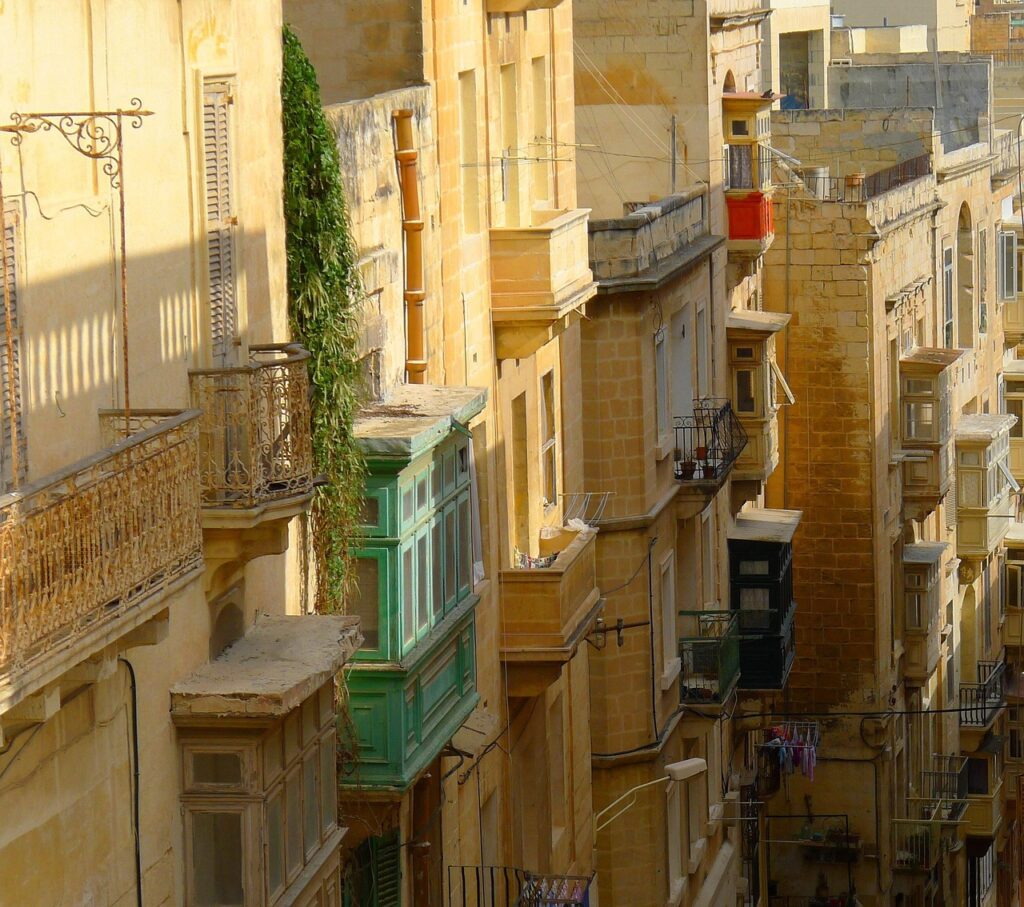
The Sliema ferry is the main argument for this stretch of coast. Boats to Valletta run every 30 minutes, the single fare is 3 EUR and a return 5 EUR, and you arrive at the foot of the capital rather than at a bus terminus. After 19:30 the fare is 3.50 EUR single or 5.20 EUR return, and the Upper Barrakka lift takes you up from the waterfront for 1 EUR.
If quiet matters more than restaurants, consider a townhouse in the Three Cities or a village house on Gozo, with thick limestone walls and often a courtyard, but fewer places to eat nearby. Either way, ask about noise: the Sliema and St. Julian’s seafronts stay lively late in summer, and Paceville is the nightlife district. A flat one or two streets back from the main road usually gives you both the location and your sleep.

Combine your trip with a hotel in Malta
Flight plus hotel in Sliema, St. Julian's or Gozo for your dates and budget.
Show Malta offersWhat does a remote worker or long-stay guest need from a Malta holiday home?
For a stay of several weeks or months, three things are non-negotiable: an internet connection with a speed the host puts in writing, a proper desk and chair, and a monthly rate clearly below the nightly rate multiplied by thirty.
Do not accept “fast Wi-Fi” as a description; ask for provider, plan speed and whether the router is inside the apartment. A desk in the bedroom beats a dining table in the living room if you take calls.
Plan for a weekly routine: supermarket, washing machine or laundrette, pharmacy, somewhere to walk or run. Gzira and Msida sit next to Sliema with a calmer feel and good bus links; Sliema itself has the most services within a short walk. For occasional trips the 12 Single Day Journeys card at 19 EUR is practical, a 7 day Explore pass at 25 EUR covers busier weeks.
Clarify the terms that only matter on long bookings: who pays for electricity above a set level, how often cleaning is included, how the deposit is returned and what happens if you leave early. Our guide to affordable vacation rentals in Malta covers equipment checks for self-catering flats in detail.
Which holiday home works best for seniors and anyone with limited mobility?
Older guests should choose a holiday home with a lift or on the ground floor, a walk-in shower rather than a bathtub, and a flat street outside the door. These three points rule out a surprising number of otherwise lovely properties.
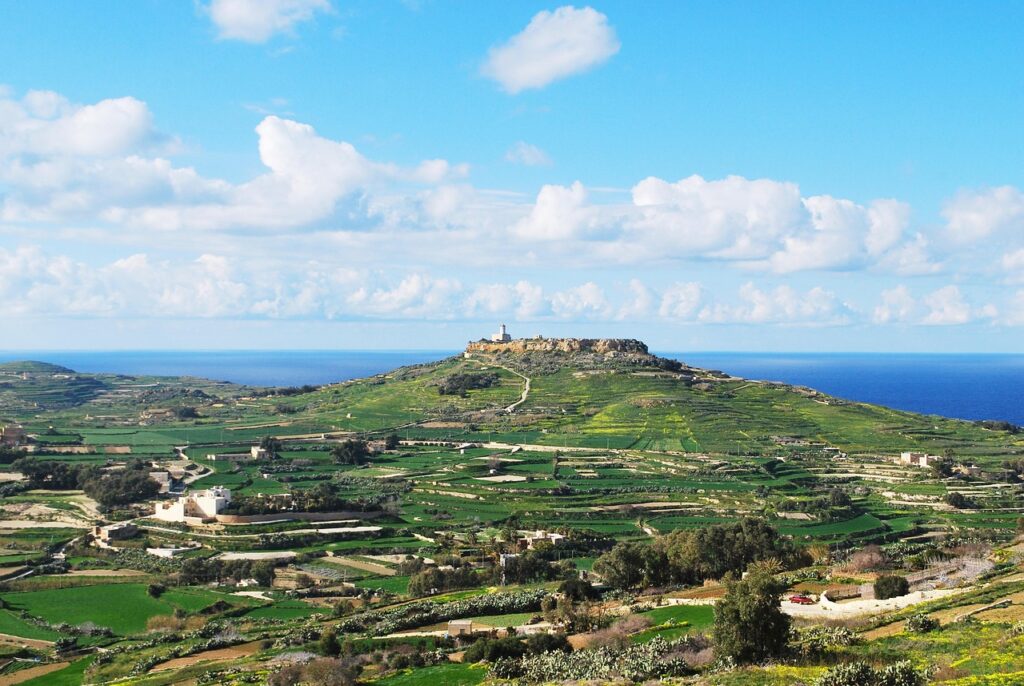
Valletta, Mdina, the Three Cities and most Gozitan villages are built on hills with stairs cut into the streets, wonderful for a day but tiring for a week. The Sliema and Gzira promenade is flat for a long stretch, has benches, and keeps shops, cafes and bus stops at street level. Bugibba and Qawra are similarly level and quieter in the evening.
Ask the host for a photo of the entrance and stairs, because “a few steps to the door” can mean fifteen. For sightseeing, St John’s Co-Cathedral charges seniors 12 EUR instead of 15 EUR and Heritage Malta sites offer senior rates, so a base with a direct bus or ferry to Valletta pays off.
How do you compare two Malta holiday homes that both look good?
When two listings seem equal, compare the total price including all charges and the host’s answers to three specific questions. The property with the clearest answers is almost always the better choice.
Add up nightly rate, cleaning fee, deposit, any electricity charge and the Eco Contribution for the whole stay; a cheaper nightly rate can turn out dearer after extras. Then ask: which floor and is there a lift; what internet speed and provider; what exactly is included. A host who replies precisely within a day will also be reachable when the water heater fails on a Sunday. For the main areas compared by budget and character, see our guide on where to stay in Malta on a budget.
Checklist before you book a Malta holiday home
Every point below is a question you can send to the host in one message.
- Floor number and lift, or ground floor access.
- Number of separate bedrooms and bed sizes, cot if needed.
- Air conditioning in every bedroom, heating for winter stays.
- Internet provider and plan speed in writing, router inside the flat.
- Washing machine in the flat or laundrette nearby.
- Distance in metres to bus stop, supermarket and sea, and whether there are stairs on the way.
- Noise: position relative to main roads, bars and construction sites.
- Total price including cleaning, deposit, electricity policy and Eco Contribution of 0.50 EUR per adult per night, capped at 5 EUR per stay.
- Check-in method, emergency phone number, cancellation terms and timing of the deposit refund.
FAQ
Is Sliema or St. Julian’s better for a holiday home in Malta?
Sliema is the better all-round base: flat promenade, ferry to Valletta every 30 minutes, dense bus network and the most shops. St. Julian’s is more restaurant oriented and includes Paceville, the nightlife district. Families and seniors usually do better in Sliema, couples who want evenings out often prefer St. Julian’s.
Do I need a car for a holiday home in Malta?
Not if you stay in Sliema, Gzira, St. Julian’s or Bugibba. Buses cost 2 EUR per journey in winter and 2.50 EUR in summer with free changes for two hours, and Valletta is a short ferry ride from Sliema. A car only makes sense for a village base on Gozo or in the south.
What is the Eco Contribution on Malta holiday homes?
It is an environmental charge of 0.50 EUR per guest aged 18 or over per night, capped at 5 EUR per person for one continuous stay. Licensed accommodation collects it on top of the room rate. Guests under 18 on the day of arrival do not pay it.
Is a holiday home on Gozo a good idea for first-time visitors?
Gozo suits travellers who want quiet and countryside; the ferry from Cirkewwa to Mgarr takes about 25 minutes, return passenger fare 4.65 EUR. For a first visit of a week or less, a main island base gives easier access to Valletta, Mdina and the temples, with Gozo as a day trip.
Pick your traveller type, send the host the relevant questions and compare the total price rather than the nightly rate. If a flat base in Sliema or St. Julian’s fits your plans, our holiday apartments in Malta are set up for exactly these stays, from short breaks to longer bookings.
Image credits: Pixabay / Kukuwaia; Pexels; Pixabay / JanneG; Pixabay / Mojpe
Sources (8)
Prices, times and rules in this article come from these sources. Last checked: October 29, 2026.
- publictransport.com.mt / en/fares
- vallettaferryservices.com
- tourism.gov.mt / wp-content/uploads/2023/04/Environmental_Contribution_-_N...
- stjohnscocathedral.com / visit
- gozochannel.com / ferry/fares/passenger
- gozochannel.com / faqs
- gozochannel.com / ferry/schedule
- transport.gov.mt / maritime/ports-commercial/barrakka-lift-826
 Holiday Apartment or Hotel? How to Choose and Book Well
 Best Beaches in Europe 2027: Eight Beaches and How We Chose Them
 Most Popular Cities in Europe 2027 and When to Go
 Summer Holidays 2027: When to Book and Where to Go