9 min read · Published: October 9, 2023 · Updated: October 31, 2026 · Prices and details checked: October 2026
A holiday apartment is usually the better choice if you stay for several nights, travel with children or friends, or want to cook for yourself. A hotel is usually better for a short stay, for a late arrival, or if you want breakfast, reception and daily cleaning without having to organise anything. The nightly price matters less than how you will actually spend your days and evenings. This guide compares both options, shows what to check before you book and explains where your rights and the risks lie.
Key takeaways
- An apartment gives you a kitchen, separate rooms and more space for the same group size, but you handle more yourself: check-in, rubbish, small repairs.
- Compare the total price, not the nightly rate: cleaning fee, tourist tax and any deposit can change the result.
- The 14-day withdrawal right known from many online purchases generally does not cover accommodation booked for fixed dates, so the cancellation policy decides what you get back.
- Since 20 May 2026 the EU rules on short-term rentals apply: where a country or region requires registration, platforms must show and verify the registration number.
- Book, pay and chat only through the platform, and treat a request to pay outside it as a warning sign.
Table of contents
- What are the real advantages and drawbacks of a holiday apartment?
- Who is better off in an apartment, and who in a hotel?
- How do you compare the real price of a holiday rental?
- What else should you check before you book?
- What rights do you have when you book a holiday rental in the EU?
- How do you recognise and avoid holiday rental scams?
- FAQ
What are the real advantages and drawbacks of a holiday apartment?
An apartment trades service for space and independence. You get a kitchen, a living area and usually more than one room, which matters as soon as someone wants to sleep while someone else is still awake. The drawbacks are the flip side: no reception to call at midnight, no daily cleaning, and quality that depends on one host or one management company rather than a hotel brand.
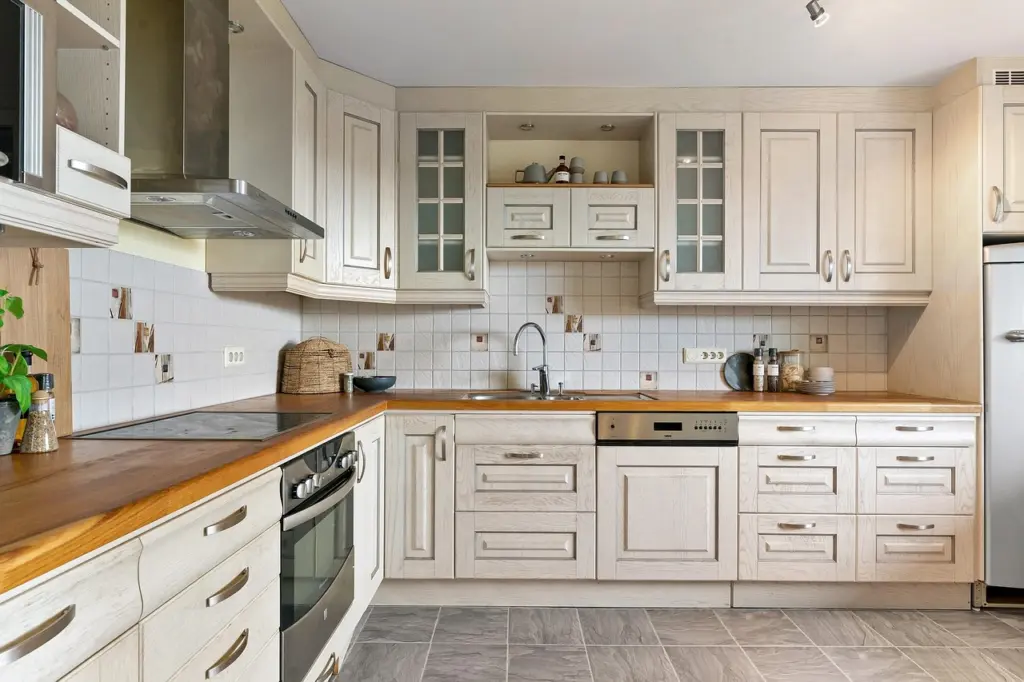
The advantages show up on longer stays. Cooking a few meals lowers food costs and gives you flexibility with children’s mealtimes or dietary needs, and a washing machine, where there is one, shortens your packing list.
The drawbacks show up on short stays. For one or two nights, key handover, shopping for basics and tidying up before departure often outweigh the extra space. Standards also differ more between apartments than between hotels of one brand, so read listing and reviews carefully.
Who is better off in an apartment, and who in a hotel?
Families, groups of friends and anyone staying a week or longer are usually better off in an apartment. Solo travellers, couples on a city break of two or three nights, and anyone who wants breakfast and services included are usually better off in a hotel.
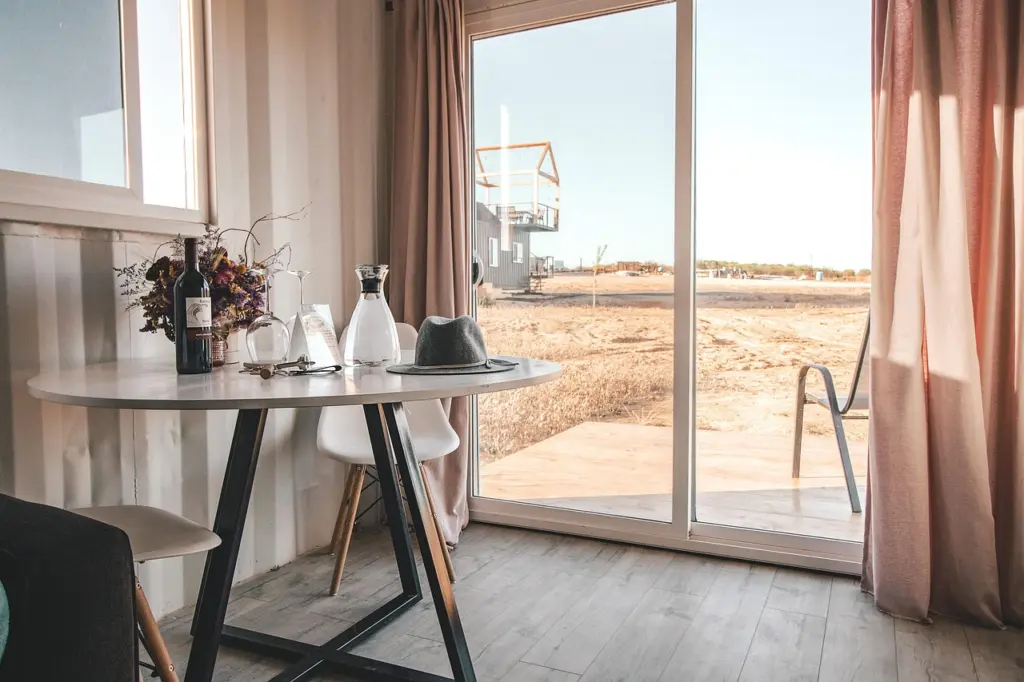
Families. Separate sleeping areas let children go to bed early without the adults sitting in the dark. A kitchen helps with early meals, snacks and bottles. Check that the listing names the number of beds, not only guests.
Longer stays. From about a week onwards, the kitchen and laundry facilities start to pay off, and being able to live in one neighbourhood rather than visit it changes how a destination feels.
Self-caterers. An apartment suits dietary needs or a simple preference for cooking. Check what the kitchen actually contains: hob, oven, fridge size, pots and tableware.
Short or service-oriented trips. If you arrive late, leave early or want someone available around the clock, a hotel avoids a lot of small coordination tasks. A bed and breakfast sits between the two options; we compare all three in our article on bed and breakfast, hotel or apartment in Malta.

Ready to book? Search flight and hotel
Packages, hotel only or flight only, searchable by destination, date and budget.
Show Travel Tips offersHow do you compare the real price of a holiday rental?
Compare the total price for your dates, including every mandatory extra, because the nightly rate shown first rarely tells the whole story. The extras that change the comparison most are the final cleaning fee, tourist or city tax, a security deposit and any platform service fee.
A cleaning fee is charged once per stay, so it weighs heavily on a two-night booking and hardly at all on a two-week one. That is one reason apartments get cheaper per night the longer you stay, and one reason a hotel can win on short trips. Tourist tax is set locally; it may be included in the price or collected on arrival, so the listing or confirmation should say which. A deposit is normally returned after departure, so find out how and when before you pay it.
For a hotel, compare like with like: ask whether breakfast, parking and Wi-Fi are included, because in an apartment you often get the last two for free and pay for the first through your own shopping. For Malta, our self-catering checklist covers this step by step.
What else should you check before you book?
Check four things beyond price: where exactly the apartment is, how check-in works, what the cancellation terms are and what recent guests say.
Location. Look at the map, not only the neighbourhood name. Check the walk to shops, public transport and the sea or sights you actually want, and consider noise from bars, roads or building work. If you rely on public transport at night, confirm that your route runs when you need it.
Cancellation terms. Read the policy before you pay, and note the date until which cancellation is free. Policies differ widely between hosts, and paid service charges are often not refunded.
Check-in. Find out in advance how you get the keys, at what time, and who to call if the door will not open. A clear self check-in with a lockbox or a named person meeting you is normal. An unclear handover is a reason not to confirm.
Reviews. Read the most recent reviews first and look for repeated points, such as noise, cleanliness or a host who answers quickly. One bad review is noise, five similar ones are information. A listing that shows only the best corner of each room deserves a question to the host.
What rights do you have when you book a holiday rental in the EU?
You have the rights of the contract you made: the listing, the confirmation and the cancellation terms you accepted. For accommodation booked for fixed dates, the 14-day cooling-off period that applies to many online purchases generally does not apply. Your Europe lists hotel bookings among the exceptions. For a private apartment, read the booking terms or ask your European Consumer Centre, and do not count on changing your mind after booking.
If the host cancels, you can normally expect a full refund and, on most platforms, help finding replacement accommodation. If the apartment is not as described, document the problem with photos, tell the host in writing straight away and report it to the platform. If you cannot settle a dispute, the European Consumer Centres give free advice on cross-border cases, and their page on private holiday accommodation explains cancellations, deposits and defects.
There is also a newer layer of rules about the hosts themselves. The EU Regulation on short-term rentals has applied since 20 May 2026. Under it, a country can introduce a registration system for hosts; where it does, each property receives a registration number, and platforms must display and verify it and may be asked to remove non-compliant listings. The European Commission explains this in its announcement on the new rules. A visible registration number is a good sign, but whether one is required depends on the country, so a missing number alone proves nothing.
How do you recognise and avoid holiday rental scams?
Book, pay and communicate only through the platform, and be sceptical of any offer that is far cheaper than similar places in the same area. A request to move the conversation to email or messaging and pay by bank transfer or money transfer service is the most common warning sign.
The European Consumer Centres name the same signals: a very low price for an excellent location, a host who cannot be met, demands for a large payment or deposit long before arrival, payment by money transfer services, which are not traceable, and photos or text that appear elsewhere. The German European Consumer Centre also warns about emails that imitate a portal and ask you to log in through a link.
Before you confirm, run a reverse image search on the photos, search a distinctive sentence from the description and check the address on a map. Pay by credit card or through a service with buyer protection where possible, because those routes offer better recourse than a bank transfer. If you have been defrauded, report the listing to the platform, contact the police and ask your bank about a chargeback quickly, since deadlines apply.
FAQ
Is a holiday apartment cheaper than a hotel?
Often, but not always. For groups and longer stays an apartment usually costs less per person and per night, especially if you cook some meals. For one or two nights, the cleaning fee and the effort of arrival can erase the saving, so compare the total price for your dates.
Can I cancel a holiday apartment booking for free?
Only if the cancellation policy allows it. Policies differ between hosts, and the 14-day withdrawal right from other online shopping generally does not cover accommodation booked for fixed dates. Read the deadline for free cancellation before you pay, and consider travel insurance if your plans are uncertain.
What is a registration number on a holiday rental listing?
It is an identification number that the authorities issue to a host in countries or regions that require registration. Under the EU short-term rental rules, platforms must display and verify these numbers in the listing. A valid number shows the host is known to the authorities, but it does not replace reading reviews.
How can I check that a holiday rental is real?
Compare reviews and photos across websites, run a reverse image search, look up the address on a map and book through a platform that holds your payment. Do not confirm if the key handover is unclear.
Which payment method is safest for a holiday rental?
Pay inside the platform, ideally by credit card or a method with buyer protection. Consumer centres advise against money transfer services and instant or cash transfers, because the money is hard or impossible to get back.
If you are still undecided, list your dates, group size and the services you need, then compare one apartment and one hotel for the total price. For Malta, Travelissimo arranges apartments in Sliema and St. Julian’s, which you can look at on our holiday apartments page. If you plan a first trip to the island, our guide on how to find a holiday apartment in Malta covers areas, platforms and licences.
Image credits: Pixabay / grafik_design; Pixabay / 23555986; Pixabay / palacioerick
Sources (5)
Prices, times and rules in this article come from these sources. Last checked: October 31, 2026.
- eccnet.eu / consumer-rights/what-are-my-consumer-rights/travel-and-pa...
- single-market-economy.ec.europa.eu / news/new-rules-bring-increased-transparency-short-term-re...
- europa.eu / youreurope/citizens/consumers/shopping/returns/index_en.htm
- evz.de / en/shopping-internet/internet-fraud/rental-fraud.html
- eur-lex.europa.eu / eli/reg/2024/1028/oj/eng
 Garden Route Itinerary: Stages for Seven to Ten Days
 Train or Plane in Europe: Time, Cost and Comfort Compared
 Where to Stay in Mallorca for a Retreat, and When to Go
 Venice Tips: Access Fee, Vaporetto and Quieter Districts