7 min read · Published: September 15, 2024 · Updated: October 29, 2026 · Prices and details checked: October 2026
The easiest solo trips are built around a format: a course, a guided route or a retreat that gives each day a shape. Below are twelve formats, with what each one asks of you in terms of safety, accommodation and cost. Pick the format first, then the destination.
Key takeaways
- Formats with a fixed programme (courses, retreats, small-group tours) are the simplest way to travel alone for the first time.
- Single supplements apply mainly to group tours and retreats with shared double rooms. Ask for a shared room or a solo rate before you book.
- Active formats such as hiking, diving and cycling need a guide or a course for anything beyond easy terrain.
- Community formats (volunteering, homestays) work best when you book through an organisation with clear screening and a named contact on site.
- Book workshops, retreats and guided trips ahead. Leave the rest of the trip loose.
Table of contents
- How do you choose a solo trip format that fits you?
- Which solo formats are built around learning?
- Which solo formats suit people who want to be active?
- Which solo formats are best for rest and recovery?
- Which solo formats put you in contact with local people?
- What should you check about safety before booking a solo trip?
- Where do you stay, and what about the single supplement?
- FAQ
How do you choose a solo trip format that fits you?
Choose by how much structure you want and how much company you want. A cooking course gives you a daily schedule and a table of people. A long-distance hike gives you solitude with a route. Decide those two things before you look at destinations.
Three questions narrow the field quickly. Do you want evenings with other people or on your own? Are you comfortable deciding the day each morning, or do you want it planned? And how much risk in terms of terrain, remoteness or language is acceptable? The answers point to one of the groups below.
Which solo formats are built around learning?
Courses are the most forgiving format, because the group forms itself and the programme runs without you organising anything.

- Cooking trip. A multi-day course or a market-plus-cooking day gives you a shared meal every evening. Look for small classes where you cook, not just watch. Allergies and dietary needs should be sent ahead.
- Language course. One to four weeks in a language school, usually with a homestay or a student residence. It gives you daily routine and a reason to talk to strangers. Check whether lessons are in the morning or afternoon so you can plan free time.
- Photography workshop. A guided trip with a small group and a fixed route. Good if you like walking slowly and stopping often. Ask about the pace, the group size and whether equipment is provided.
- Craft workshop. Pottery, weaving, glass or woodwork, from a single day to a week. Studios often arrange simple lodging nearby. Ask whether you take the piece home or whether shipping is needed.
Ready to book? Search flight and hotel
Packages, hotel only or flight only, searchable by destination, date and budget.
Show Travel Tips offersWhich solo formats suit people who want to be active?
Active formats are safe when the guide, the route and the group size are chosen for your level, and risky when you improvise them alone.
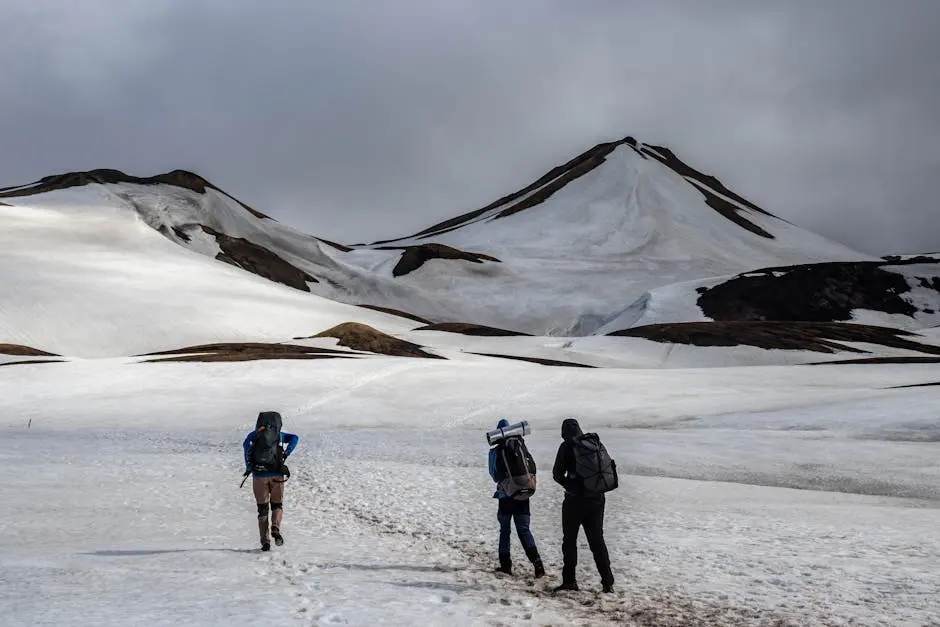
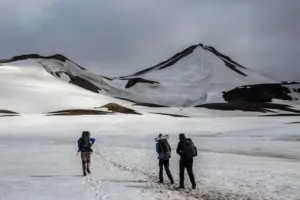
- Guided hike. A guided group walk with a fixed daily stage is the best entry into mountain or coastal trekking. Guided trips handle navigation, weather decisions and baggage transfers. If you walk alone instead, share your route with someone at home and carry a charged phone and a paper map.
- Diving course. An entry-level course with a certified school is a natural solo format, since you are paired with an instructor or buddy by default. Choose a school that is a member of a recognised training agency and ask how many students share one instructor.
- Cycling tour. Supported tours with luggage transfer let you ride at your own pace without carrying everything. Self-guided tours work well on dedicated cycle routes. Check the daily distances against your fitness honestly.
Which solo formats are best for rest and recovery?
Retreats are built for people travelling alone, so you will not be the odd one out at dinner. The trade-off is that they are often priced per double room.
- Yoga or wellness retreat. Expect a fixed daily rhythm, shared meals and quiet evenings. Ask for a single room or a shared room at a lower price, and ask what is included, since treatments and excursions are often extra.
- Small-group tour. Not a retreat, but it offers the same ease: transport, lodging and itinerary are handled, and the group is usually small. Compare the tour operator’s single supplement and ask whether you can be matched with a roommate instead.
Which solo formats put you in contact with local people?
These formats give the most contact and the least privacy, so the quality of the organiser matters more than the destination.
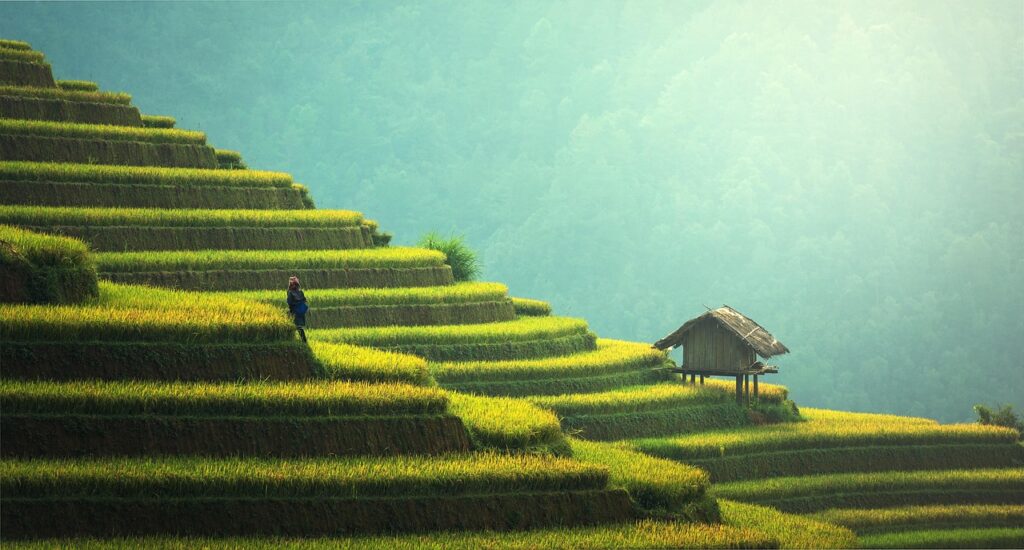
- Volunteering. Conservation, teaching or community projects. Choose organisations that explain the work plainly, name the local partner and provide a contact before departure. Be wary of programmes that promise a large impact after a very short stay or that charge high fees without explaining where the money goes.
- Homestay or farm stay. You live with a family or on a working farm, usually with meals included. It is an inexpensive way to travel alone and rarely feels lonely. Agree on house rules, meal times and bathroom arrangements before you arrive.
- Wildlife and nature trip. Guided observation trips led by local rangers or naturalists. Choose operators that keep groups small, keep distance from animals and work with protected areas. Bring the clothing and footwear the operator lists, not a lighter version.
What should you check about safety before booking a solo trip?
Check the organiser, the place and your own contacts, in that order. Read the foreign ministry travel advice for your destination, then confirm that the organiser names a local contact and an emergency procedure.
Practical habits cover most situations. Arrive in daylight, share your address and flight with someone at home, keep a copy of your documents offline and buy travel insurance that covers the specific activity, since diving, climbing and some cycling are excluded from basic policies. For women travelling alone, small groups, women-only departures and lodgings with a staffed reception are all common and easy to request.
Where do you stay, and what about the single supplement?
Match the lodging to the format. Courses and retreats usually include or arrange it. For everything else, a guesthouse, a small hotel with a staffed desk or a hostel private room gives you both safety and a place to meet people.
The single supplement is a surcharge for using a double room alone. It is mostly a feature of group tours, cruises and retreats, and it varies widely between operators. Three ways to reduce it: ask for a roommate match, ask for a shared dormitory or twin option, or travel at the edges of the season when single rooms are easier to release. Always ask for the total price for one person, not the per person price in a double room.
FAQ
Is solo travel safe for first-timers?
Yes, if you pick a format with structure and a reliable organiser. Courses, retreats and small-group tours reduce the number of decisions you make alone. Read your government’s travel advice for the destination and keep someone at home informed of your plans.
How far ahead should I book a solo trip?
Book courses, retreats and guided trips as soon as your dates are fixed, because places are limited and small groups fill early. Flights and a first night’s lodging come next. Leave the middle of a self-planned trip open so you can change it.
Do I always pay more when I travel alone?
Not always. Group tours, cruises and retreats often add a single supplement, while homestays, hostels and many courses charge per person. Ask each organiser for the total price for one traveller and whether a roommate match is available.
Which format is best if I do not like groups?
A self-guided hike or cycling tour with luggage transfer gives you your own pace and your own evenings. A homestay adds company only when you want it. A craft workshop or a diving course involves others, but in a way that is easy to leave.
Can I get help planning a solo trip around my own interests?
Yes. If you give us your format, dates and comfort level, we can suggest where it fits best and what to book first. For a Malta trip, our guide to personalised journeys in Malta shows how the process works.
Once you know the format, the next step is dates and a destination that suits it. Travelissimo arranges trips worldwide, and you can send your request through our booking page.
Image credits: Pexels; Pixabay / TeeFarm; Pixabay / sasint
 Seychelles with Kids: Beaches, Reserves and Turtles
 Yacht Charter in Malta: What to Know Before You Book
 How to Behave at a Maltese Festa: A Visitor’s Guide
 Things to Do in Pretoria: A Day Trip Plan from Johannesburg