8 min read · Published: June 3, 2024 · Updated: October 29, 2026 · Prices and details checked: October 2026
Living like a local in a Malta holiday apartment comes down to a handful of routines: a bus card in your pocket, a pastizzi shop you call your own, the right day for the market and the right morning for the rubbish bag. Nobody explains this at check-in, so here are the everyday details that turn a rented flat in Sliema, Gzira or Birkirkara into a place you actually live in.
Key takeaways
- A single bus ticket costs 2.00 EUR in winter and 2.50 EUR in summer, is valid for 2 hours with free changes, and a 7-day Explore card for adults costs 25.00 EUR.
- The Sliema to Valletta ferry runs every 30 minutes from 06:45 and costs 3.00 EUR one way or 5.00 EUR return, faster than the bus around the harbour in morning traffic.
- Pastizzerias open early and serve the cheapest breakfast on the island; neighbours buy bread at the bakery, not the supermarket.
- Rubbish goes out in colour-coded bags on fixed days per locality, and leaving the wrong bag on the wrong day is the fastest way to annoy the neighbours.
- Sockets are British Type G with three rectangular pins, so visitors from mainland Europe need an adapter.
Table of contents
- How do you get around Malta like a resident?
- Where do locals buy bread, pastizzi and coffee?
- Which markets are worth building your week around?
- What happens when the festa comes to your street?
- What are the unwritten rules of a Maltese apartment block?
- How does rubbish collection work in Malta?
- Which plug adapter do you need in Malta?
- FAQ
How do you get around Malta like a resident?
Residents use the Tallinja bus network and the harbour ferries, and they pay with a card rather than cash at the driver. For a visitor the practical choice is the Explore Adult 7-day card at 25.00 EUR (sold only in sales offices, valid on day and night routes but not on Tallinja Direct) or the Explore Flex 7-day card at 27.00 EUR, which also covers the airport direct services. If you travel less often, the 12 Single Day Journeys card at 19.00 EUR is the better deal: it stays valid for 6 months from first use and can be shared. Children aged 4 to 10 get the Explore Child 7-day card for 7.00 EUR, and children under 4 travel free.
Each single ticket is valid for 2 hours with free changes. Travelling without a valid ticket costs 50 EUR, so validate every time. Night routes cost 3.00 EUR, and the Tallinja Direct express lines 3.00 EUR or 3.50 EUR for TD1. Residents with a personalised Tallinja card ride free, but that card is tied to a registered address, so visitors pay the normal fares.
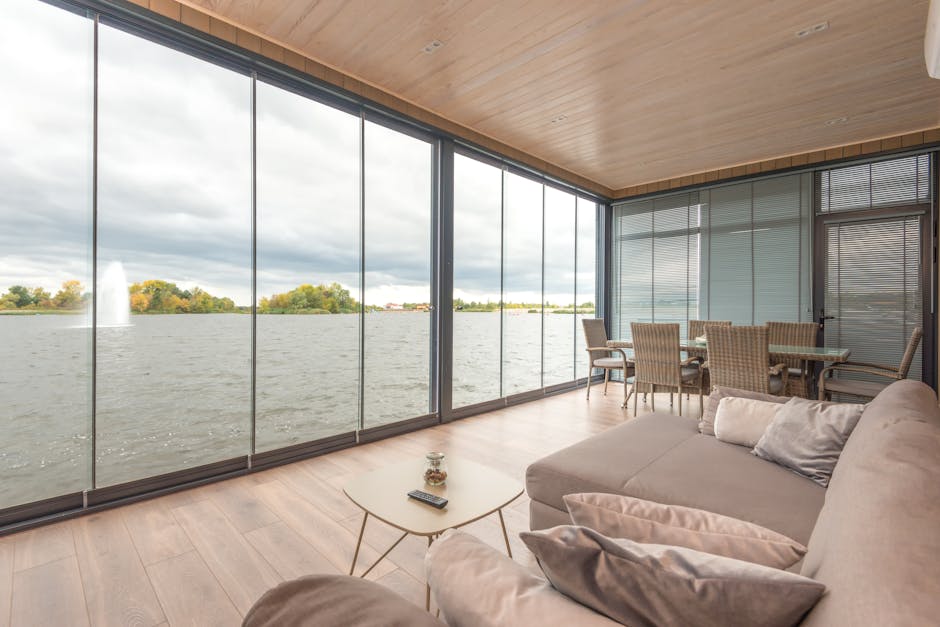
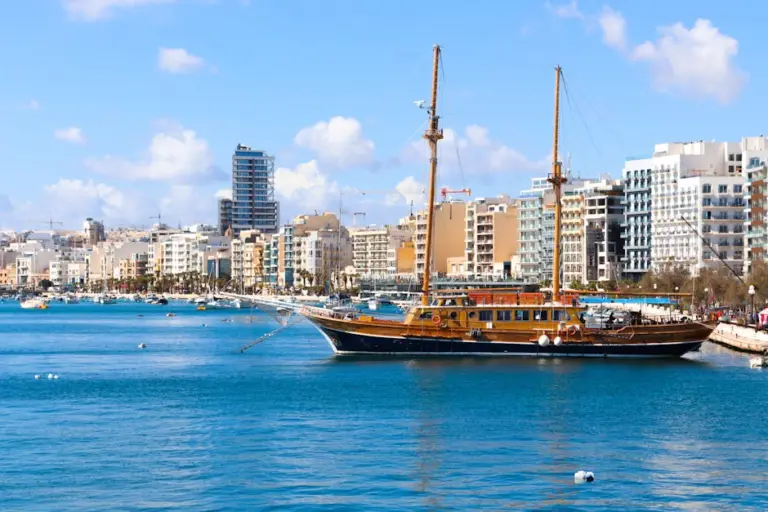
From the Sliema side of Marsamxett Harbour, the ferry to Valletta is the local shortcut. Valletta Ferry Services runs every 30 minutes, with the first departure from Sliema at 06:45. Adults pay 3.00 EUR one way or 5.00 EUR return during the day, children 1.00 EUR or 1.50 EUR. After 19:30 the fare rises to 3.50 EUR one way and 5.20 EUR return.
Where do locals buy bread, pastizzi and coffee?
Every Maltese neighbourhood has a pastizzeria and a bakery within walking distance, and these two shops are where daily life starts. A pastizzeria sells pastizzi (flaky pastry filled with ricotta or mushy peas), qassatat and small pizzas from a glass counter, usually from early morning until late evening. Prices are low, you pay in cash and eat standing or take the paper bag home. If the queue is made up of workmen and schoolchildren, you have found the right one.
Bread is a separate ritual. The Maltese loaf, ħobż tal-Malti, is a crusty sourdough that locals buy fresh from the bakery or from a van that stops on the street and honks. Bakeries are often unmarked doors in side streets, so ask your host where the nearest one is, and go in the morning before the good loaves are gone.
For coffee, the local pattern is a quick espresso at the counter rather than a long sit-down.

Combine your trip with a hotel in Malta
Flight plus hotel in Sliema, St. Julian's or Gozo for your dates and budget.
Show Malta offersWhich markets are worth building your week around?
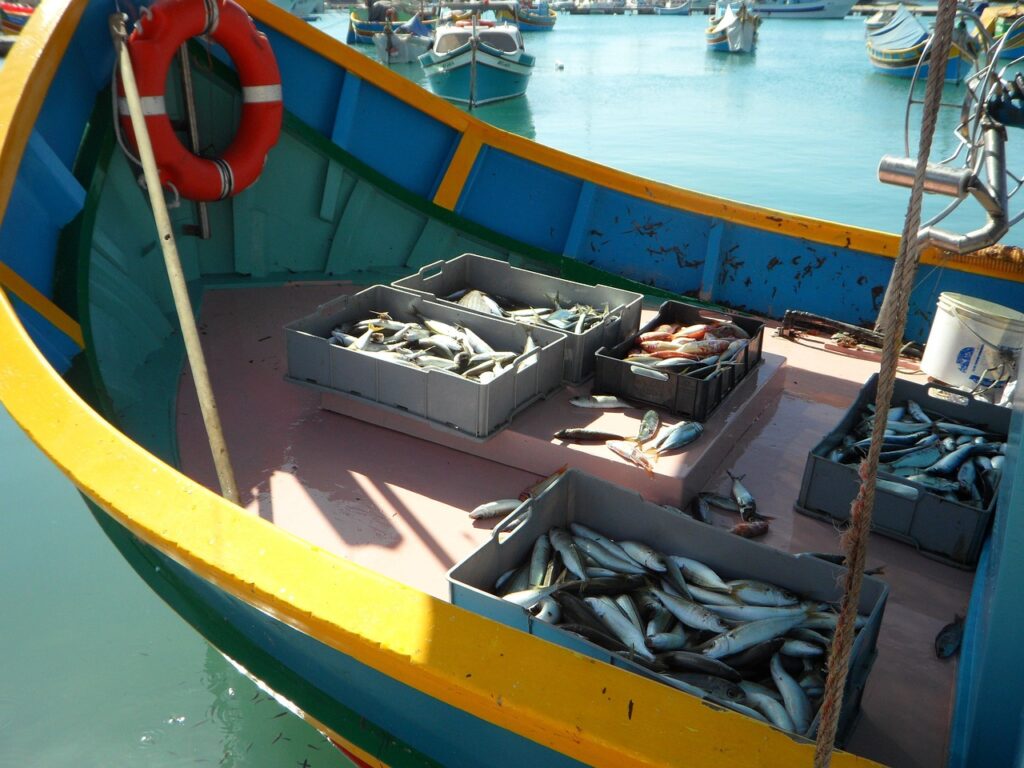
Three markets cover most of what you need: the Sunday fish market in Marsaxlokk, the weekday street market in Valletta and the farmers’ market at Ta’ Qali. Marsaxlokk is the one locals get to early, because the fish stalls are best stocked in the first hours of Sunday morning. Later in the day the market turns into souvenir stalls and the fish is gone.
In Valletta, the street market on Merchants Street sells clothes, household goods and some produce on weekday mornings, and the covered food hall Is-Suq tal-Belt nearby has grocery stalls alongside food counters. For fruit and vegetables, the farmers’ market at Ta’ Qali is where many Maltese families shop in bulk, and the produce is strictly seasonal.
Most towns also hold a small weekly open-air market on a fixed weekday morning; your host will know the day. In between, the neighbourhood greengrocer and the vegetable van on the street are usually cheaper than the supermarket chains.
What happens when the festa comes to your street?
If your stay falls between June and September, there is a good chance your parish will hold its festa, the annual feast of the patron saint, and the whole neighbourhood takes part. In the week before, the streets fill with banners, statues on pedestals and coloured lights strung between the balconies, the brass band marches in the evenings and fireworks go off late into the night.
For an apartment guest this means two things. First, noise: fireworks and band marches run late, and nobody will apologise for it. Second, an invitation: stand on the pavement when the statue is carried out of the church, buy nougat from the stalls and have a drink at the band club. To plan a trip around a feast, see our guide to enjoying Malta’s festivals like a local.
What are the unwritten rules of a Maltese apartment block?
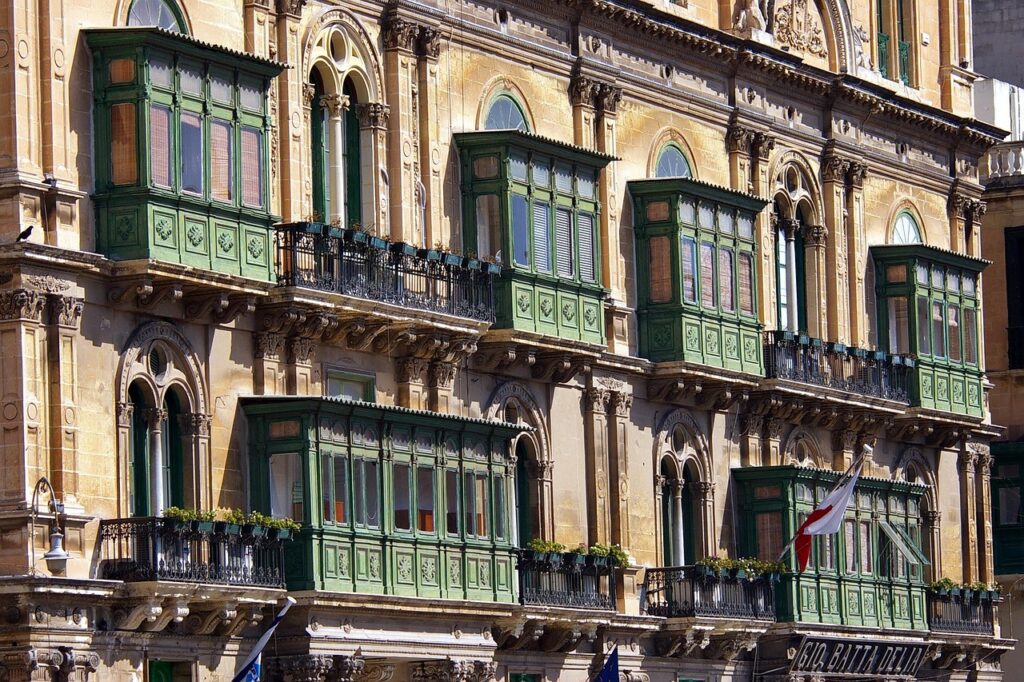
Most holiday apartments sit in ordinary residential blocks, so the rules are the ones that keep neighbours on speaking terms: quiet in the early afternoon and late at night, no beach towels on the front balcony, nothing left in the stairwell. Many blocks share a roof with washing lines; ask which lines are yours and take laundry in the same day.
Water and electricity are expensive on an island that desalinates its drinking water, so hosts notice waste. Switch off the air conditioning when you leave, close the shutters against the afternoon sun and run the washing machine with full loads. The entrance door often locks automatically behind you, so take the keys every time you step out, even for the bakery.
How does rubbish collection work in Malta?
Rubbish is collected from the doorstep on fixed days per locality, and each waste type has its own coloured bag: black for mixed waste, grey or green for recyclables, white for organic waste, with separate bring-in containers for glass. The schedule differs from town to town, so the only reliable source is your host or the printed schedule in the apartment.
The rule residents care about most is timing. Bags go out on the pavement on the morning of collection, not the night before, because stray cats and the heat make an early bag a problem for everyone. Put a bag out on the wrong day and a neighbour will tell you. When in doubt, keep it inside and ask.
Which plug adapter do you need in Malta?
Malta uses the British Type G socket with three rectangular pins, so anything with a European two-pin plug needs an adapter. Many apartments leave one or two adapters in a kitchen drawer, rarely enough for a family with phones, laptops and a hairdryer each. Buy adapters before you fly or in the first supermarket you pass.
Visitors from the UK and Ireland can plug in directly. Remember the switch next to each outlet: nothing charges until it is on.
FAQ
Do I need to pay the eco contribution in a holiday apartment?
Yes. Guests aged 18 and over pay an environmental contribution of 0.50 EUR per person per night, capped at 5.00 EUR per person for a continuous stay. The host collects it, often in cash on arrival, and it is listed separately from the rental price.
Can tourists get a Tallinja card for free bus travel?
No. Free bus travel is tied to the personalised Tallinja card with name and photo, which is issued to residents. Visitors buy single tickets from the driver or one of the Explore or 12 Single Day Journeys cards.
Is it rude to speak English rather than Maltese?
Not at all, English is an official language and everyone in a shop, bakery or bus speaks it. A greeting in Maltese is appreciated: “Bonġu” for good morning, “Grazzi” for thank you.
Are shops open on Sundays in Malta?
Most small shops, bakeries and street markets close on Sunday, while supermarkets in Sliema and St. Julian’s often open with shorter hours. Pastizzerias and confectioneries usually trade on Sundays. Buy bread and fresh food on Saturday if you plan a quiet Sunday at the apartment.
Can I drink the tap water in a holiday apartment?
Tap water in Malta meets drinking standards but has a noticeable taste from desalination and chlorination. Most residents drink bottled or filtered water and use the tap for tea and coffee. Many apartments keep a filter jug in the fridge.
Learn the rubbish day in the first hour and buy your first pastizzi before you unpack. For what a self-catering flat should come with, see our guide to affordable vacation rentals in Malta. Our own apartments in Sliema and St. Julian’s come with a local host who answers exactly these questions, see holiday apartments in Malta.
Image credits: Pexels; Pixabay / Efraimstochter; Pixabay / WikimediaImages
 Seychelles with Kids: Beaches, Reserves and Turtles
 A Week on a Yacht: Daily Life, Space, Seasickness and Cost
 Things to Do in Pretoria: A Day Trip Plan from Johannesburg
 Sicilian Cuisine: What to Eat, Drink and Order in Sicily