6 min read · Published: September 28, 2023 · Updated: October 29, 2026 · Prices and details checked: October 2026
The best summer destination in southern Europe depends on what you want from the week: calm sandy bays, coastal villages, islands with nightlife or a city with a beach attached. This guide matches six destinations (Spain, Italy, Greece, Croatia, Portugal and France) to a travel type, and says how you usually get there. For cooler alternatives in the north, see our guide to summer holidays away from the heat.
Key takeaways
- Spain suits city-and-beach combinations: Barcelona plus a day trip or a few nights on the Costa Brava.
- Italy suits scenic coastlines and food, but the Amalfi Coast is steep, busy and best reached by ferry or bus rather than by car.
- Greece suits island hopping and nightlife, and you reach most islands by plane or ferry from Athens.
- Croatia suits sailing and rocky Adriatic coves, with pebble beaches rather than sand.
- Portugal’s Algarve suits long, easy beach weeks with cliffs, sand and a mild Atlantic breeze.
- The French Riviera suits short, polished trips, but it is one of the pricier coasts in Europe.
Table of contents
- Which destination suits a city break with beach time? Spain
- Which destination suits culture, food and scenery? Italy
- Which destination suits islands and nightlife? Greece
- Which destination suits sailing and active days? Croatia
- Which destination suits long beach weeks and easy travel? Portugal
- Which destination suits a short, polished trip? France
- How do you choose between the six?
- FAQ
Which destination suits a city break with beach time? Spain
Spain works best if you want sightseeing in the morning and a swim in the afternoon. Barcelona has a city beach and the architecture of Gaudí, including the Sagrada Família, and the Gothic Quarter is easy to explore on foot.
For something calmer, continue north to the Costa Brava. Small coves and fishing villages such as Cadaqués and Llafranc suit couples and travellers who prefer quiet evenings. Barcelona is the main gateway, with good rail and road links up the coast, so you can combine both in one trip without a long transfer. If you are watching your budget in Spain, our tips for cheap travel in Spain cover transport, food and timing.

Which destination suits culture, food and scenery? Italy
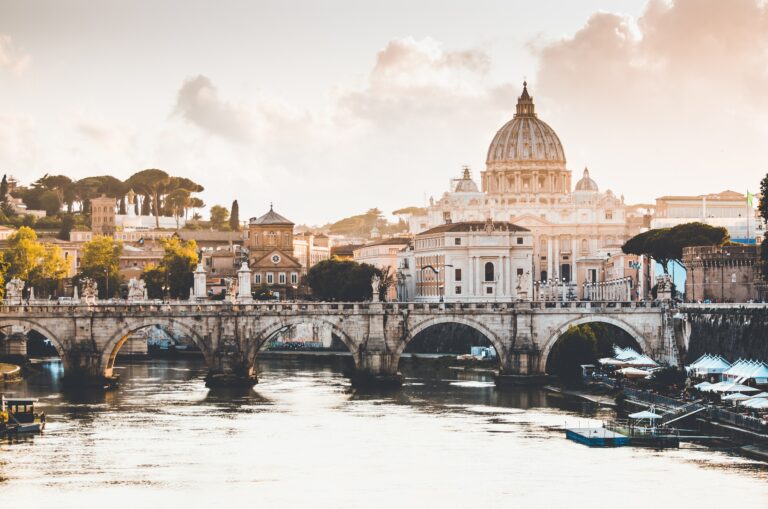
Italy is the strongest choice if you want history and food alongside the sea. Rome (Colosseum, Roman Forum) and Venice (canals, St Mark’s Basilica) are classic city stops, but both are hot and crowded in high summer, so plan sightseeing early in the morning and rest in the afternoon.

For the coast, the Amalfi Coast has colourful villages such as Positano and Amalfi and clear water, though the beaches are small and often pebbly. Roads are narrow and parking is hard, so ferries between the villages and local buses are the more relaxed way to move around. Book accommodation well ahead, because July and August fill up first.

Find flight and hotel for this trip
Search packages for any European destination by date and budget.
Show Europe offersWhich destination suits islands and nightlife? Greece
Greece is the right pick if you want to move between islands. Santorini is known for its white-washed buildings and views over the caldera, but it is more a scenery stop than a beach holiday. Mykonos is the party island, with lively beach clubs and busy evenings in the old town.
Athens is the natural start or end point: the Acropolis and the Parthenon are worth a half day, ideally early before the heat builds. Most islands connect by ferry or short flight from Athens, and in summer ferry seats on popular routes sell out, so book ahead rather than on arrival. If you prefer quieter days, choose a smaller island instead of the best-known ones.
Which destination suits sailing and active days? Croatia
Croatia is made for boat trips. The Adriatic coast has hundreds of islands, sheltered bays and clear water, and the beaches are mostly pebble or rock, so bring water shoes. A skippered or bareboat charter is a popular way to see several islands in one week.
Dubrovnik is the main city stop, known for its medieval walls and old town. Hvar is the island for beach days and evenings out. Plitvice Lakes National Park, with its waterfalls and turquoise lakes, is inland, so plan it as a separate day trip or stop on the way rather than as part of a beach stay. Summer crowds are heavy in Dubrovnik, so visit the walls early in the day.

Which destination suits long beach weeks and easy travel? Portugal
Portugal’s Algarve is the simplest choice for a relaxed beach week. It has golden sand, cliffs, sea caves and small coastal towns, and the Atlantic keeps the heat easier to bear than inland southern Europe. The water is cooler than in the Mediterranean, which some travellers like and others do not.
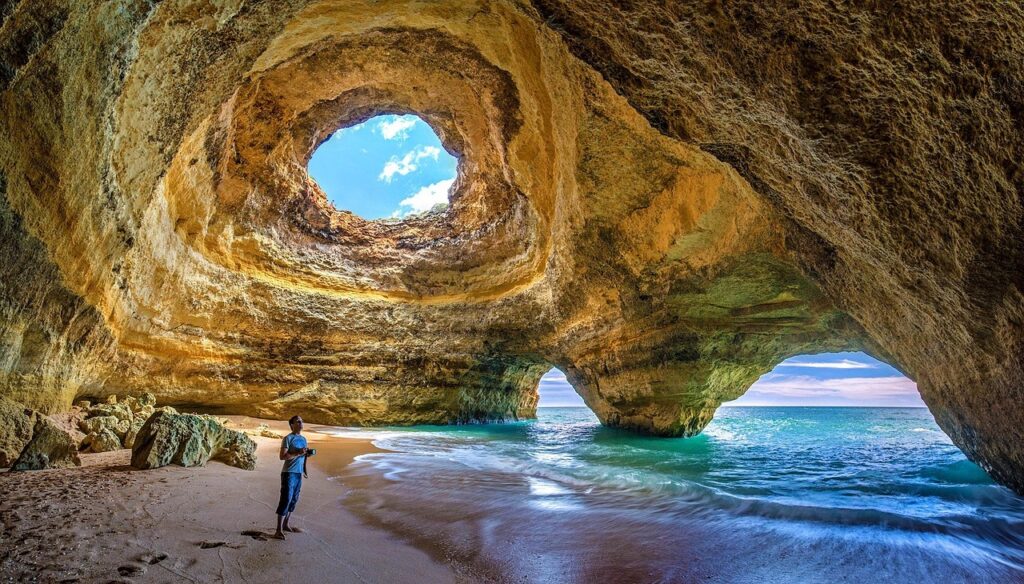
Lisbon and Porto make good city add-ons: Lisbon for its historic districts and viewpoints, Porto for riverside streets and port wine cellars. A common plan is to spend a few days in a city, then travel south to the Algarve for the beach part. Faro is the main airport for the coast.
Which destination suits a short, polished trip? France
The French Riviera (Côte d’Azur) suits shorter trips, couples and travellers who care about atmosphere and restaurants. Nice makes a good base, with a long seafront promenade and easy day trips to Cannes and smaller coastal towns by train. Provence, with its lavender fields, is a natural inland extension in early summer.
Expect higher prices than in Spain, Portugal or Croatia, especially for hotels and dining on the waterfront. If budget matters, stay in a less central town and take the train in. Beaches here are often pebbly, and many sections are run by paid beach clubs.
How do you choose between the six?
Start with your main priority and work backwards. For a beach week with little planning, choose the Algarve. For sightseeing with a swim, choose Barcelona and the Costa Brava. For islands and nightlife, choose Greece. For sailing, choose Croatia. For food and scenery, choose Italy. For a short, polished break, choose the Riviera.
Then check the practical points: July and August are the hottest and most crowded months everywhere, so June and September give you the same sea at calmer prices. For a wider look at the best coastlines, see our overview of the best beaches in Europe.
FAQ
Which Mediterranean country is best for a first summer trip?
Spain is the easiest start. Flights are frequent, Barcelona combines city and beach, and the coast is easy to explore without a long journey. Portugal is a close second if you prefer one resort base.
Which destination is best for families?
The Algarve and the Costa Brava are the usual family choices, because many beaches have gentle entry into the water and resorts are easy to move around. Greece also works well if you choose an island with a long sandy beach.
When is the best time to go in summer?
June and September are the best compromise: the sea is warm, crowds are smaller and prices are usually lower than in July and August. If you must travel in peak season, book flights and accommodation early and plan sightseeing for the morning.
Are the beaches sandy everywhere?
No. Croatia and the Amalfi Coast are mostly pebble or rock, and the French Riviera is often pebbly. The Algarve and parts of the Costa Brava and the Greek islands have more sand.
Do I need a car?
Not always. In Barcelona, Athens, Lisbon, Nice and Dubrovnik a car is more trouble than help. A car makes sense on the Costa Brava, the Algarve and for remote Greek islands, but not on the Amalfi Coast in summer.
Not sure which fits your dates and budget? We arrange flights, hotels and trips worldwide through our booking page.
Image credits: Jack Seeds, Unsplash; Belinda Fewings, Unsplash; Pixabay / Schwoaze; Constantinos Kollias, Unsplash; Pixabay / Julius_Silver
 Seychelles with Kids: Beaches, Reserves and Turtles
 A Week on a Yacht: Daily Life, Space, Seasickness and Cost
 Yacht Charter in Malta: What to Know Before You Book
 How to Behave at a Maltese Festa: A Visitor’s Guide