6 min read · Published: September 26, 2023 · Updated: October 29, 2026 · Prices and details checked: October 2026
If you want a European summer without 35 degree afternoons and queues at every landmark, head north or up: Norway, Scotland, the Baltic coast and the Alps stay comfortable when the Mediterranean does not. Montenegro and Bulgaria’s Black Sea coast are the budget-minded exceptions, warm but far less crowded than the big beach names. Which one fits depends on whether you want long daylight, mountains, festivals or a quiet beach.

Key takeaways
- Northern Norway has midnight sun from 20 May to 22 July in Tromsø and from 12 June to 1 July at the Arctic Circle, so July is the month for endless daylight.
- Edinburgh’s Fringe runs for three weeks in August. Book shows and rooms early, or visit the Highlands in June or September instead.
- The Baltic coast (Pärnu, Jūrmala, Nida) gives you sandy beaches and a slow pace without southern prices or crowds.
- Alpine regions in Switzerland, Austria and Liechtenstein offer hiking at altitude, where afternoons stay far cooler than in the cities below.
- Montenegro and the Bulgarian Black Sea coast are warm and good value, but the big resort strips fill up in July and August.
Table of contents
- Where is it cool in Europe in summer?
- Is Scandinavia worth it in summer, and when exactly?
- Where in Scotland should you go in summer?
- Are the Baltic states a good alternative to the Mediterranean?
- Which alpine countries work best for a summer trip?
- Can you do Montenegro or Bulgaria without the crowds?
- When should you book a cooler summer trip?
- FAQ
- Next step
Where is it cool in Europe in summer?
Northern Europe and the high Alps. Scandinavia, Scotland and the Baltic states have mild summers with very long days, and mountain regions cool down quickly with every hundred metres of altitude. The trade-off is weather that can change within a day, so pack a rain jacket and a warm layer even in July.
Is Scandinavia worth it in summer, and when exactly?
Yes, especially in July, when light replaces the winter dark. According to Visit Norway, the midnight sun lasts from 14 May to 29 July at the North Cape, from 20 May to 22 July in Tromsø, from 28 May to 14 July on the Lofoten Islands and from 12 June to 1 July at the Arctic Circle. Further south the nights never turn fully dark but the sun does set.
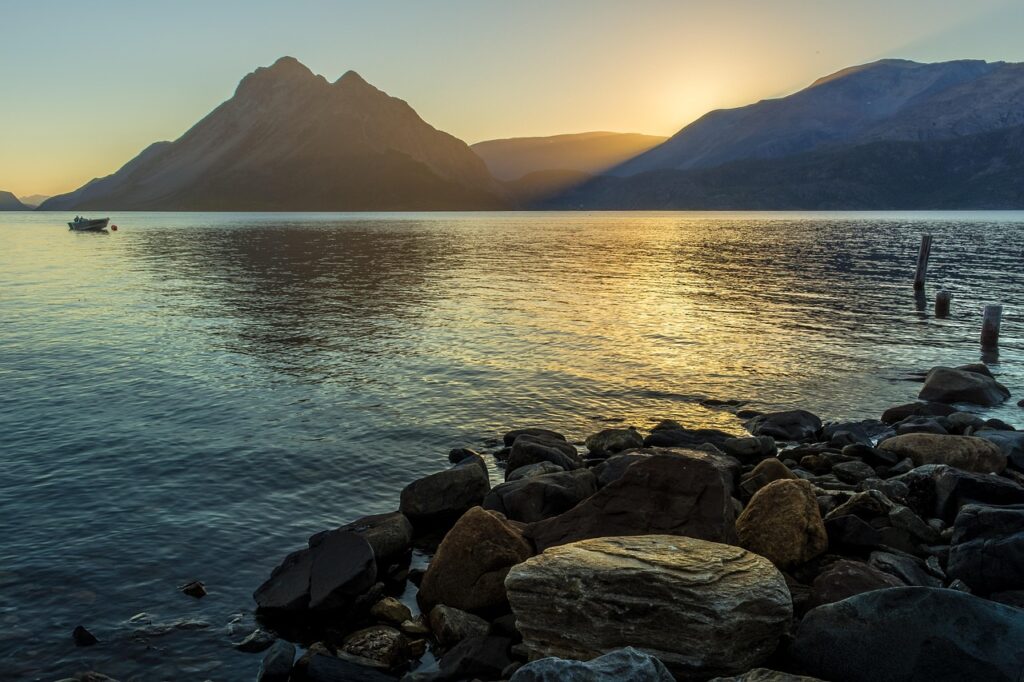
Norway is best for fjords and mountains. Take a ferry or coastal ship through a fjord, then base yourself in Bergen or a small village for hikes. West Jutland in Denmark suits you if you prefer wide, windswept beaches and dunes, and the Bohuslän coast in Sweden is made for fishing villages and seafood. Norway is the expensive option of the three, so budget accordingly and self-cater where you can.
Find flight and hotel for this trip
Search packages for any European destination by date and budget.
Show Europe offersWhere in Scotland should you go in summer?
Pick Edinburgh for August, the Highlands for the rest. The Edinburgh Festival Fringe runs for three weeks in August, and its organisers advise booking early for any show you do not want to miss. Rooms are the bigger constraint, so reserve accommodation as soon as your dates are fixed.
If crowds are the problem, go to the Highlands and islands in June or early September instead. Long evenings are a real advantage for hiking, and a rain layer is not optional. In late summer, midges can be a nuisance near water on still evenings, so bring repellent.
Are the Baltic states a good alternative to the Mediterranean?
For a calm beach trip, yes. Pärnu in Estonia and Jūrmala in Latvia are classic seaside towns with wide sandy beaches, spa traditions and a relaxed pace. In Lithuania, Nida sits on the Curonian Spit, a narrow sand dune peninsula about 98 km long that UNESCO lists as a World Heritage site shared by Lithuania and Russia. The Lithuanian side is the one most visitors use.
The water is cooler than in the south, which suits swimmers who like it fresh and families with small children who tire in the heat. Combine the coast with a city stop in Tallinn, Riga or Vilnius, which are within easy reach of each other by coach.
Which alpine countries work best for a summer trip?
Switzerland and Austria for hiking and lakes, Liechtenstein for a short, easy stay. All three have marked trail networks, cable cars and mountain huts, so you can choose between a gentle valley walk and a multi-day route.
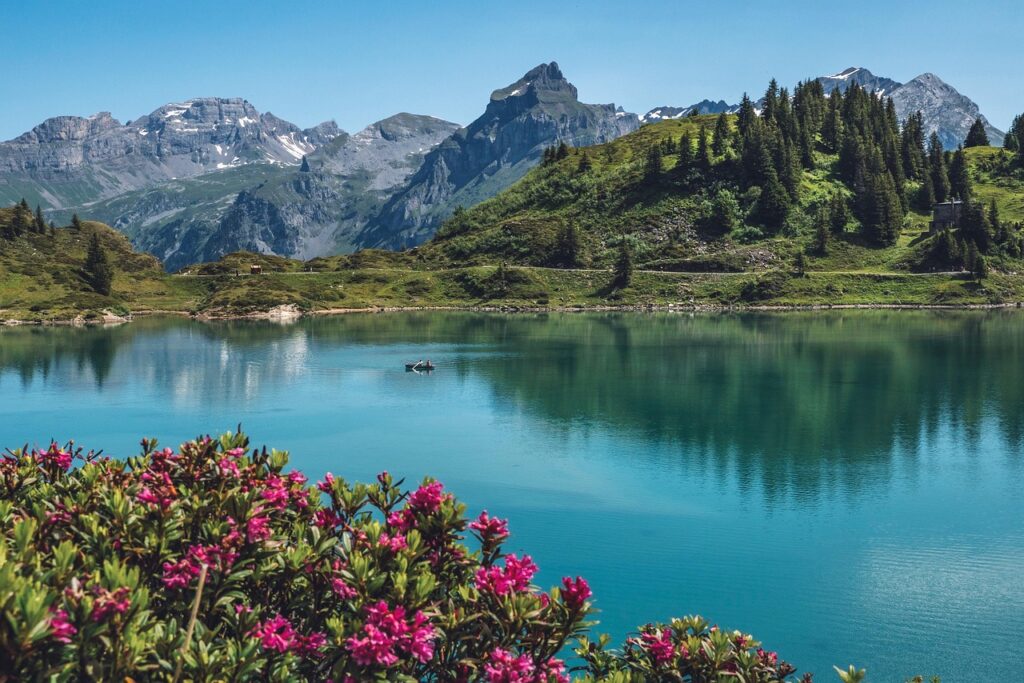
Switzerland has a farm-stay tradition: sleeping in the straw (Schlaf im Stroh) in a barn is a cheap way to stay close to the countryside, and you can ask the farm about meals when you book. Salzburg combines music, the Salzkammergut lakes and old town sightseeing, with the Salzburg Festival taking place in summer. Liechtenstein celebrates National Day on 15 August: the official ceremony takes place on the lawn in front of Vaduz Castle, a folk festival follows in Vaduz, and fireworks at the castle end the evening at 10 p.m. Expect the village to be busy that day.
Can you do Montenegro or Bulgaria without the crowds?
Yes, if you avoid the main strips and travel outside the peak weeks. Montenegro pairs the Bay of Kotor and the Adriatic coast with real mountains inland. Durmitor National Park, a UNESCO site since 1980, is the base for hiking and for rafting on the Tara canyon. Budva and Kotor are busiest in July and August, so day trips inland are a good way to escape them.

The Bulgarian Black Sea coast is one of Europe’s cheapest beach options. Large resorts such as Golden Sands and Sunny Beach are loud and busy; the old town of Nesebar and the museums in Varna add culture, and the quieter beaches south of the big resorts are better for a calm stay. Choose by the kind of holiday you want, not by the lowest price alone.
When should you book a cooler summer trip?
Book earlier than you think for the specific events and the small places. Festival towns (Edinburgh in August, Salzburg during the festival) and fjord or island ferries fill first. For Norway, decide on your region, then reserve ferries, coastal ship cabins and rooms in spring.
Shoulder weeks (late June, early September) give you more space in the Highlands, Alps and Montenegro, and often better prices. Always check opening times and ferry or cable car schedules with the operator before you go, since many run reduced timetables outside July and August.
FAQ
What is the coolest European country to visit in summer?
Norway and Iceland are the coolest, followed by Scotland and the Baltic states. Mountain regions in the Alps are cool at altitude, but valley towns can still be warm. Pack layers wherever you go.
Is Europe too hot in July and August?
The Mediterranean often is, particularly for sightseeing in cities. Northern Europe and the high Alps stay far more comfortable. If you prefer the south, plan sightseeing early in the morning and spend the afternoons by the water.
Which month is best for the midnight sun in Norway?
Late June to mid July is the safest window across northern Norway, since all the locations in Visit Norway’s list overlap in that period. Further north the season starts earlier and ends later.
Are the Baltic states cheaper than Scandinavia?
In general yes, and you can reach all three from each other by coach. Prices depend on the town, with seaside resorts costing more in peak weeks. Compare accommodation first, since that is usually the largest cost.
Where can I find a warm Mediterranean beach instead?
Our guide to Mediterranean beach destinations in Europe compares the main options by travel style.
Next step
Choose one region and fix your dates first, because dates decide ferries, festivals and prices. We book hotels, flights and packages for all destinations in this guide: start a request on our booking page.
Image credits: Chris Czermak, Unsplash; Henrique Ferreira, Unsplash; Pixabay / harrylund; Pixabay / suju-foto; Bear Lissimo, Unsplash
 Seychelles with Kids: Beaches, Reserves and Turtles
 A Week on a Yacht: Daily Life, Space, Seasickness and Cost
 Yacht Charter in Malta: What to Know Before You Book
 How to Behave at a Maltese Festa: A Visitor’s Guide