7 min read · Published: November 18, 2024 · Updated: October 29, 2026 · Prices and details checked: October 2026
The quietest parts of Seychelles are the small granite islands and reserves a short boat ride from Mahé and Praslin, plus a handful of beaches you reach on foot. Anse Source d’Argent and Beau Vallon are the famous names. This guide covers what sits beyond them: islands that run on footpaths, protected reserves with birds and tortoises, and the food you find outside resort restaurants.
Key takeaways
- Cousin Island, a 29-hectare special reserve off Praslin, is the best-organised stop for birds and hawksbill turtles. Visits are run by local tour operators, not by the reserve itself.
- Curieuse and Silhouette suit travellers who want trails, tortoises and few other visitors.
- Anse Major on Mahé can only be reached on foot or by boat, which keeps the beach calmer than the road-accessible ones.
- The Vallée de Mai on Praslin is a UNESCO World Heritage site and one of the world’s smallest natural sites with that status.
- Takamaka-style local eateries and markets give you Creole food at everyday prices, away from hotel menus.
Table of contents
Which smaller islands are worth the boat ride?
Curieuse, Silhouette, Cousin and Aride give you the most nature for the least crowd. All four are reached by boat from Mahé or Praslin, and most visitors see them on a day trip.
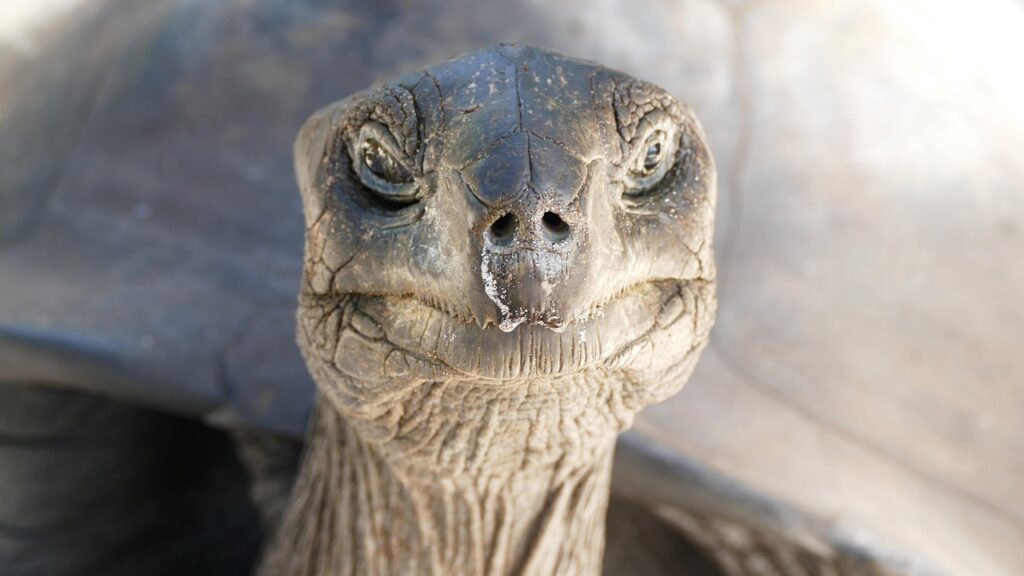
Curieuse, close to Praslin, is known for giant tortoises that walk freely near the visitor area and for a mangrove boardwalk. The island is a marine national park, so it combines a short walk with snorkelling in protected water.
Silhouette is a mountainous island off Mahé with a national park covering much of it. Expect footpaths through forest rather than a busy tourist infrastructure, and plan a full day if you come for hiking.
Aride, the most northerly of the granite islands, is a private nature reserve run by conservation staff and volunteers. It is known for large seabird colonies and for rare land birds, so it rewards anyone with binoculars more than anyone who wants a beach day.
For booking any of these, ask your Praslin or Mahé guesthouse to connect you with a licensed boat operator. We cover ferries and inter-island logistics in our Seychelles planning guide.
Where are the quiet beaches away from the classics?
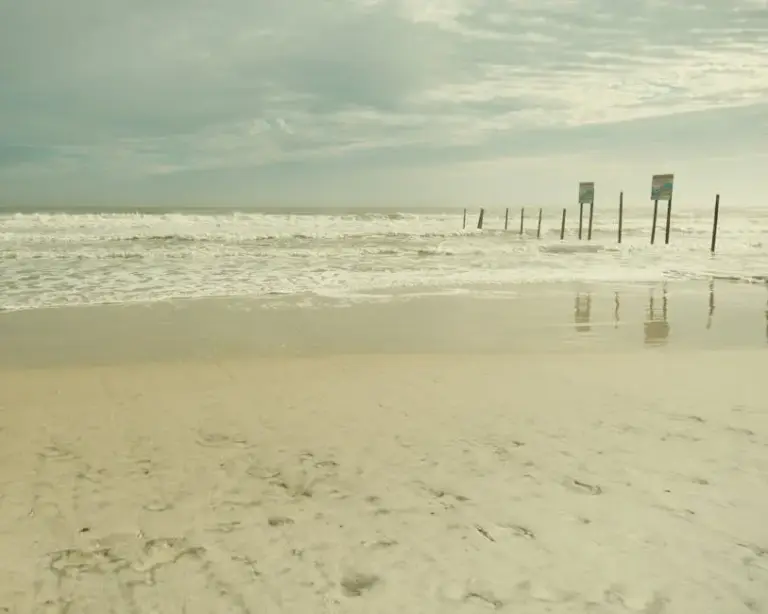
The quietest beaches are the ones that need a walk or a boat: Anse Major on Mahé, Anse Georgette on Praslin and the less visited coves on La Digue and Silhouette.
Anse Major lies at the end of a coastal footpath from Bel Ombre in the north-west of Mahé. There is no road to it, so you carry water and sun protection and do not expect shops. Take care with swimming here, as conditions change with the season and swell, and check locally before you get in.
Anse Georgette on Praslin is a wide beach that is not freely open in the way most beaches are. Access has been controlled through the neighbouring resort in the past, so ask your accommodation or a local operator what the current rules are before you plan a day around it.
On La Digue, most visitors head to the famous granite-boulder beaches and stay close to the ferry port. Walking or cycling a little further along the coast usually gives you smaller, calmer bays. The tourist board lists the main beaches on seychelles.travel.

Combine these islands with a hotel stay
Flight plus hotel on Mahé, Praslin and La Digue for your dates.
Show Seychelles offersWhich nature reserves should you prioritise?
Start with Cousin Island and the Vallée de Mai: both are managed by conservation organisations, both have clear rules, and both show species you will not see elsewhere.
Cousin Island became a nature reserve in 1968, when it was bought to protect the last small population of the Seychelles warbler. Nature Seychelles has managed it since 1998. The reserve also runs what it describes as the world’s longest-running hawksbill turtle monitoring programme. Guided visits last about 75 minutes, children under 12 enter free, and the island is open to visitors on weekdays only, closed at weekends and on public holidays. You land by transferring to a warden boat that drives onto the beach. Wear closed footwear, bring sun protection and insect repellent, and carry your own travel insurance. Photography with large kit, flashes or tripods is not allowed because it disturbs animals.
The Vallée de Mai on Praslin is managed by the Seychelles Islands Foundation and sits within a UNESCO World Heritage listing. It is a palm forest where the coco de mer grows, and where you can hear and sometimes see the Seychelles black parrot. Plan a morning here: it is quieter early, and the walk is gentle.
Do not take anything out of these reserves, not shells, plants or sand. Staff enforce this.
What wildlife and plants make Seychelles different?
Seychelles has many species found nowhere else, because the granite islands were isolated for a very long time. On a normal trip you can realistically see giant tortoises, endemic birds, sea turtles and the coco de mer palm.
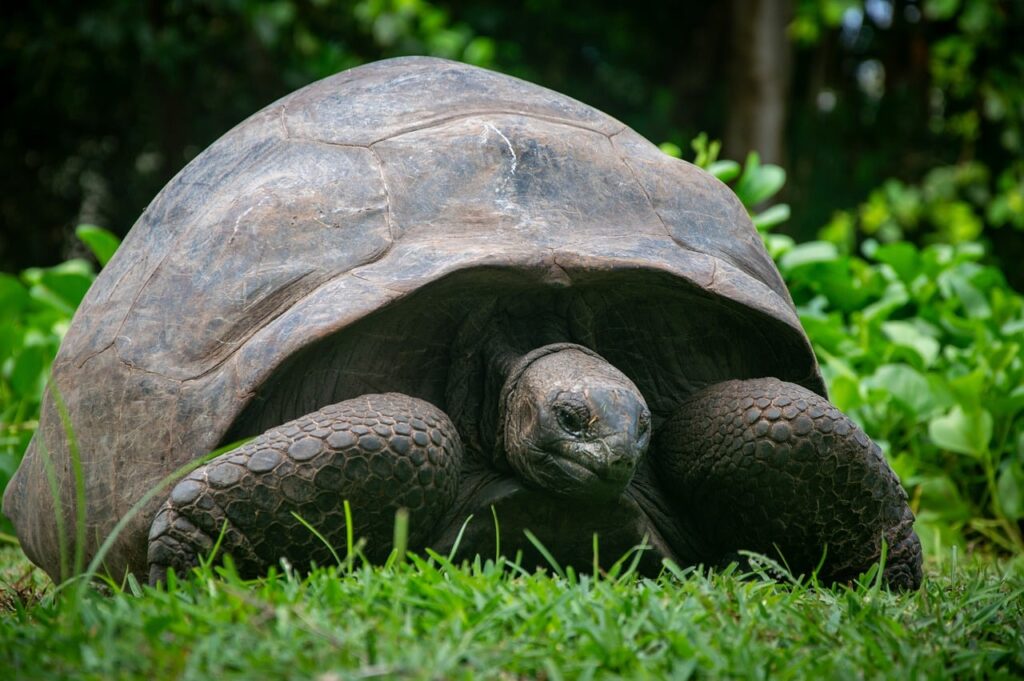
Giant tortoises are easiest to see on Curieuse. Seabirds gather in the largest numbers on Aride, and Cousin is the place for the Seychelles warbler. Hawksbill turtles are monitored on Cousin and also appear in the water around other protected islands.
Birdwatchers do best with a guide who knows each island’s rules. Without one, you miss the endemic species, which are small and easy to overlook. Keep a respectful distance from nesting birds and turtles, and never touch tortoises or feed them.
What should you eat away from resort restaurants?
Eat where the locals do: small Creole restaurants, roadside grills and markets. Seychellois cooking centres on fresh fish, coconut, chilli and lime, with Indian, French and African influences.
Look for grilled or fried whole fish, octopus curry, fish soup and curries served with rice and a spicy side dish. Markets, especially in Victoria on Mahé, sell tropical fruit, spices and fresh fish. Ask what is caught that day instead of choosing by menu.
Local rum and fresh coconut water round out a meal. Check opening times locally, since small places close early and some do not open every day.
How do you combine these without rushing?
Choose two or three stops and give each a full day. Pair a nature reserve with a beach, rather than trying to see several islands in one go.
A sensible pattern is a Praslin base with Cousin or Curieuse on one day, the Vallée de Mai on another and a free day for La Digue. If you stay on Mahé, add Anse Major and a Silhouette day trip. Book boat transfers ahead in busy months, and ask about weather cancellations, since rough seas stop small boats. Travelling with children? Our guide to family-friendly Seychelles holidays explains which of these suit younger ages.
FAQ
Which Seychelles island is the least crowded?
Silhouette and Aride are among the least visited of the accessible islands, because they need a boat and have little tourist infrastructure. Cousin is also controlled, as visits run on set days with a warden. For a quiet beach without a boat, try the Anse Major footpath on Mahé.
Can you visit Cousin Island without a tour?
No. The reserve does not organise trips itself, so you book through a local tour operator or via your guesthouse. At the beach you transfer to a warden boat, and the warden leads a guided visit of about 75 minutes. Entry fees and conditions are listed on the reserve’s website.
Is it safe to swim at the remote beaches?
Often not without care. Remote beaches usually have no lifeguards, and swell and currents change by season. Ask your accommodation or a local operator about conditions on the day, avoid swimming alone and stay out of the water if waves are rough.
Can you see giant tortoises in the wild?
You can see them on Curieuse and some other protected islands, where they live freely. Keep your distance, do not touch or feed them and follow the instructions of park staff.
Do you need a guide for the nature reserves?
For Cousin Island, a guide is part of the visit and you cannot walk alone. For the Vallée de Mai and island trails, a guide is not always required but helps you find the endemic birds and plants, which are easy to miss.
If you want a quieter Seychelles trip built around islands, reserves and a sensible boat schedule, send us your dates and interests through our booking page, and we will arrange it with you.
Image credits: Pexels; Pixabay / nike159; Pixabay / Sunriseforever
 A Week on a Yacht: Daily Life, Space, Seasickness and Cost
 Yacht Charter in Malta: What to Know Before You Book
 How to Behave at a Maltese Festa: A Visitor’s Guide
 Things to Do in Pretoria: A Day Trip Plan from Johannesburg