8 min read · Published: October 24, 2024 · Updated: October 29, 2026 · Prices and details checked: October 2026
A bed and breakfast in Malta is usually a converted limestone house run by the people who live in it or next door, and that is the whole point. Instead of a corridor of identical rooms you get a courtyard, a roof terrace, a breakfast from the village bakery and a host who knows which bay is too windy today. This guide covers the three typical kinds of Maltese B&B, the breakfast table, the hosts and which region suits which stay.
Key takeaways
- Three types dominate: the townhouse with an inner courtyard (Valletta, Three Cities, Sliema, village cores), the farmhouse on Gozo, and the small boutique house in Valletta or Birgu.
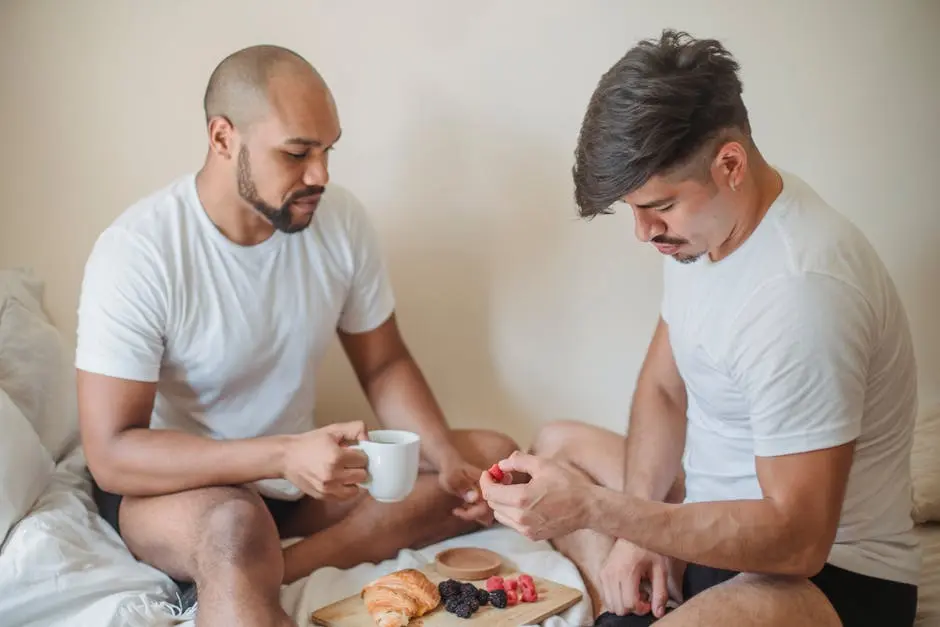
- Breakfast is normally local rather than a buffet: ftira or hobz bread, gbejniet cheeselets, tomatoes, olives, honey, fruit and strong coffee, often served in the courtyard or on the roof.
- Hosts live on site or close by, so you get route advice, restaurant tips and help with ferry and bus timing.
- Most townhouses have stairs and no lift; ask before booking if that matters to you.
- Every guest aged 18 and over pays an environmental contribution of 0.50 EUR per night, capped at 5.00 EUR per stay, collected by the host.
Table of contents
What makes a Maltese B&B different from a hotel room?
The building does most of the work. Maltese towns are built from honey coloured limestone, and the houses behind the painted wooden balconies are tall and narrow with thick walls, patterned tile floors and an open courtyard or light well in the middle. When one of these houses becomes a B&B, you sleep under stone arches rather than plasterboard.
The second difference is scale: a handful of rooms, and the person who checks you in is the person who serves breakfast, usually someone who grew up in the street. The third is the roof. Flat roofs are standard in Malta, and most converted houses have turned theirs into a terrace with a view over domes, harbour water or Gozo’s hills.
Which three types of B&B will you find in Malta?
Almost every B&B on the islands is a townhouse with courtyard, a Gozo farmhouse, or a boutique house in Valletta or the Three Cities. They differ in atmosphere, in how much you walk and in whether you need a car.
The townhouse with an inner courtyard
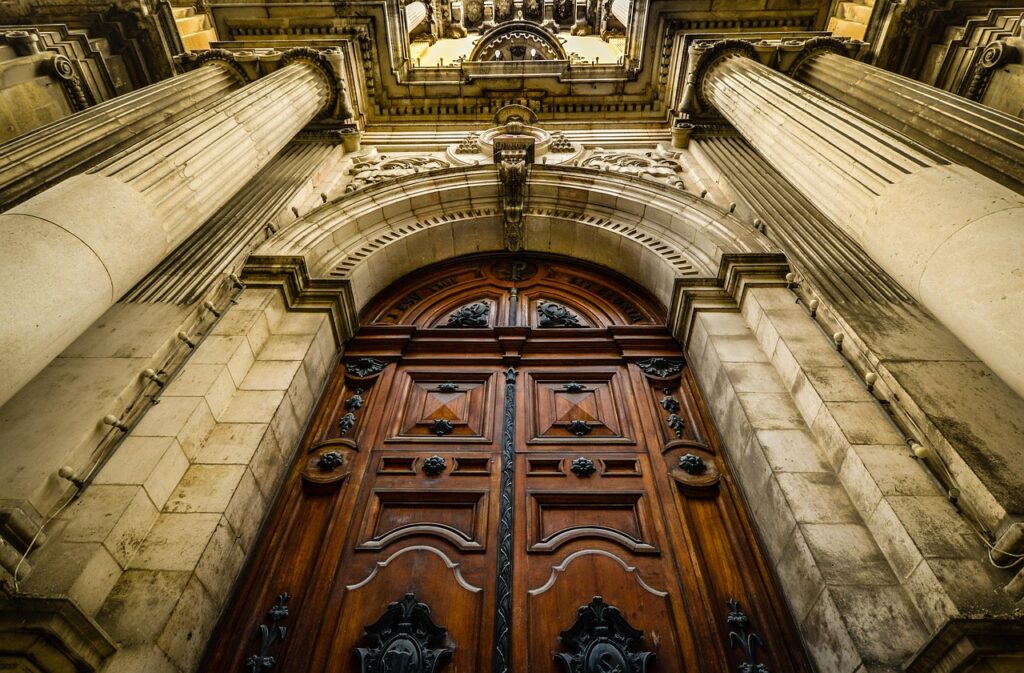
This is the classic Maltese B&B: a heavy front door, a tiled hallway and a small courtyard with a lemon tree, with rooms on two or three floors around it. You find these in Sliema’s older streets away from the seafront, in Gzira, Birkirkara, Naxxar and Zebbug, and in the cores of most villages. Expect stairs, no lift, and a host who may live on the top floor.
The farmhouse on Gozo
Gozo farmhouses are former agricultural buildings around a central yard, usually with a pool added where the animals once were. Rooms have vaulted stone ceilings, and breakfast is served in the yard or the old kitchen. They sit in or just outside villages such as Xaghra, Gharb, San Lawrenz and Nadur, and a hire car is the normal way to get around from one. The Gozo Channel ferry from Cirkewwa to Mgarr takes about 25 minutes and a foot passenger pays 4.65 EUR for the round trip.
The boutique house in Valletta or the Three Cities
The third type is the restored palazzo or merchant’s house in Valletta, Birgu, Senglea or Cospicua, converted with more design budget: modern bathrooms behind original stone, art on the walls, sometimes a plunge pool on the roof. Rooms are few and prices sit above the other two types. In return you walk out of the front door into the Grand Harbour area and need no car, which is just as well given Valletta’s parking limits.

Combine your trip with a hotel in Malta
Flight plus hotel in Sliema, St. Julian's or Gozo for your dates and budget.
Show Malta offersWhat does a typical Maltese B&B breakfast look like?
A Maltese B&B breakfast is usually fresh, local and served to you rather than laid out as a buffet. The core is bread: a round ftira or a crusty hobz loaf from the village bakery, served with olive oil, kunserva (tomato paste), fresh tomatoes, capers and olives in the style of hobz biz-zejt. Beside it you will often find gbejniet, the small sheep’s or goat’s milk cheeselets from Gozo, fresh or peppered.
Many hosts add local honey, imqaret (date pastries) or seasonal fruit such as oranges, figs or prickly pears. Eggs are common on request and the coffee is strong.
Breakfast is served between fixed hours, and many hosts will prepare a tray for an early ferry or flight if you tell them the evening before. If you are vegetarian, vegan or avoiding gluten, say so when booking; small houses buy for the guests they expect.
What do the hosts actually do for you?
The host is the main reason to choose a B&B over an apartment or a hotel in Malta. Because the owner lives in or near the building, you get local knowledge in real time: which restaurant is good tonight, where the village festa fireworks will be, which coast is sheltered from today’s wind, and how early you need to be at the ferry.
Practical help matters, because Malta’s bus network is dense but not always fast. A single ticket costs 2.00 EUR in winter and 2.50 EUR in summer and is valid for two hours with free changes. From Sliema, hosts will also point you to the harbour ferry to Valletta, which runs every 30 minutes and costs 3.00 EUR one way, a far pleasanter route than the bus.
Hosts also set the house rules, and many ask for quiet after a certain hour because the family sleeps a floor away. In return you get flexibility that hotels rarely give: luggage kept after checkout, a key to come and go, a dinner tip that is not in the guidebook.
Which region suits which kind of stay?
Choose the region first and the house second, because a Maltese B&B is tied to its street in a way a resort hotel is not.
- Valletta: for a short, walking based trip around museums, St John’s Co-Cathedral and the harbour. Steep streets, no car.
- The Three Cities: quieter than Valletta, with harbour views back towards the capital and a strong local feel.
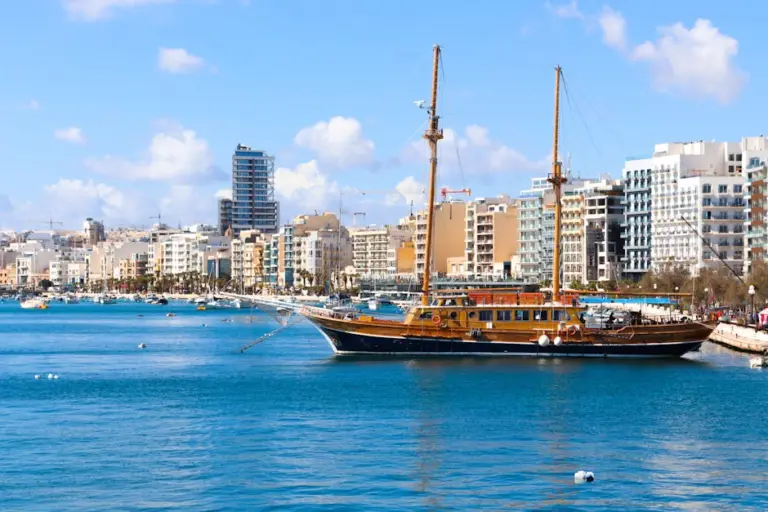
- Sliema and Gzira: the most practical base for buses and ferries in every direction; townhouse B&Bs sit a few streets inland from the water.
- Mdina and Rabat: for history and quiet evenings once the day visitors have left; bus or car needed for beaches.
- The north around Mellieha: for sandy beaches and the Comino and Gozo ferries, with fewer character houses.
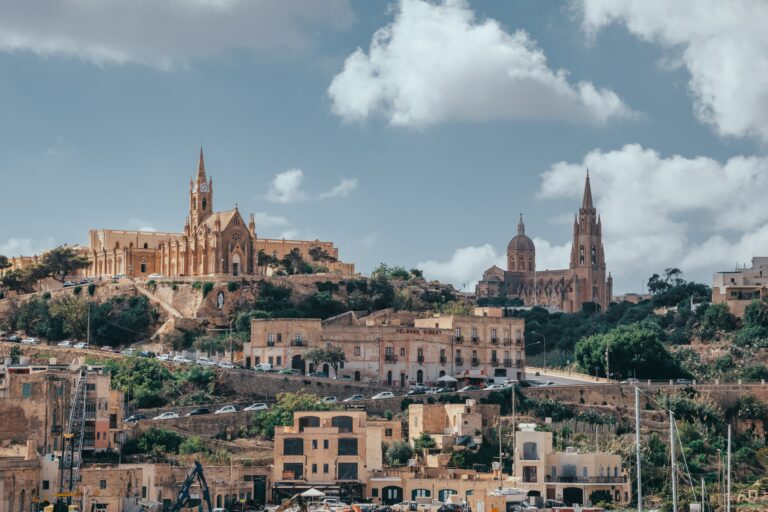
- Gozo: for slow days, walking, swimming from rocks and farmhouse evenings; plan on a car and a ferry crossing each way. Our page on Gozo covers the island in more detail.
If you are still weighing a B&B against a hotel or an apartment, we compare the options in why a bed and breakfast stay enhances your Malta experience.
What should you check before you book a Maltese B&B?
Check the licence, the stairs, the cooling and the extras before you pay. Every legal tourist accommodation in Malta carries a Malta Tourism Authority licence number; serious hosts show it in the listing or on request.
Stairs are the most common surprise: a room on the third floor with no lift is normal, so ask which floor you are on if anyone has trouble climbing. Air conditioning is essential from June to September and worth confirming, as is heating in winter, because stone houses stay cool long after the air outside has warmed up.
Expect the environmental contribution on top of the room rate: 0.50 EUR per person and night for guests aged 18 and over, capped at 5.00 EUR per person for a continuous stay, collected by the host. Finally, ask about parking if you plan to rent a car: most townhouses and all Valletta houses have none, while Gozo farmhouses normally do.
FAQ
Are bed and breakfasts in Malta family run?
Most are. The typical Maltese B&B is owned by a local family who has restored a house in their own town. Boutique houses in Valletta may have staff, but the owner is usually involved day to day.
Is breakfast always included in a Maltese B&B?
Usually, but check the rate description. Some houses sell room only rates alongside the breakfast rate, and a few serve breakfast in a nearby café by arrangement. Confirm what is served and when before booking.
Do I need a car for a B&B in Malta?
On the main island, no. Buses, the Sliema to Valletta ferry and walking cover Valletta, Sliema, the Three Cities and Mdina well. On Gozo, a car makes farmhouse stays far easier, and you can take a hire car across on the Gozo Channel ferry.
Are pets allowed in Maltese B&Bs?
It depends on the house. Farmhouses on Gozo with their own yard are the most likely to accept a dog; small townhouses in Valletta or Sliema rarely do. Ask the host directly rather than relying on a filter on a booking site.
Pick your region, confirm the stairs and the breakfast, and book directly with the host where you can. If you would rather have your own kitchen and more space than a B&B room gives, Travelissimo rents its own holiday apartments in Sliema and St Julian’s, a short walk from the ferry and bus links described above.
Image credits: Pexels; Pixabay / user32212; Pixabay / Mojpe
 Seychelles with Kids: Beaches, Reserves and Turtles
 A Week on a Yacht: Daily Life, Space, Seasickness and Cost
 Things to Do in Pretoria: A Day Trip Plan from Johannesburg
 Sicilian Cuisine: What to Eat, Drink and Order in Sicily