7 min read · Published: July 25, 2023 · Updated: October 29, 2026 · Prices and details checked: October 2026
You can see the best of Valletta in one day on foot, because the capital is small, laid out on a grid and built around a single main street. Start at City Gate in the morning, follow Republic Street to the harbour bastions, cross the water by ferry in the afternoon and stay for the evening light. This plan gives you the order, the lift and ferry details, and a street map in words.
Key takeaways
- Take the ferry from Sliema (3 EUR one way, every 30 minutes) and enter the city on foot through City Gate.
- Republic Street is the spine: City Gate at one end, Fort St Elmo at the other.
- The Upper Barrakka lift costs 1 EUR return and connects the Grand Harbour waterline with the gardens above.
- St John’s Co-Cathedral and the Grandmaster’s Palace each deserve their own visit, so this plan only passes them.
- Wear flat, grippy shoes: the cross streets drop steeply towards the sea, often as steps.
Table of contents
- How do you get to Valletta for a day on foot?
- What should you see between City Gate and the middle of Republic Street?
- Is the Upper Barrakka Lift worth it and what is up there?
- Which bastions and harbour views are worth the walk?
- Where do you eat and what do you do in the evening?
- Street map in words: how is Valletta laid out?
- FAQ
- Plan the rest of your stay
How do you get to Valletta for a day on foot?
The easiest arrival is by ferry from Sliema or by bus to the terminus just outside City Gate. The ferry costs 3.00 EUR one way or 5.00 EUR return (children 1.00 EUR one way) and leaves every 30 minutes. After 19:30 the evening tariff applies: 3.50 EUR one way, 5.20 EUR return. In summer the last departures run late into the night, in winter they are earlier, so check the timetable before you plan dinner.
The bus is the cheaper option if you stay inland: a single ticket costs 2.00 EUR in winter and 2.50 EUR in summer, valid for two hours with free changes. We advise against driving into Valletta. Streets are narrow, parking is limited and you will not need a car for anything in this plan.

What should you see between City Gate and the middle of Republic Street?
Begin at City Gate, the entrance to the walled city, which was rebuilt in a modern design by the architect Renzo Piano. Beside it you will see the open-air theatre built on the ruins of the old opera house and the Parliament building, so the first ten minutes already show how new architecture sits inside a sixteenth-century fortress town. Valletta was founded by the Knights of St John in the sixteenth century and is a UNESCO World Heritage Site.

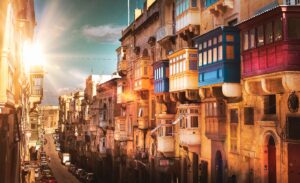
Walk straight on into Republic Street, the main street, lined with shops and cafes. Coffee is the right first stop here, before the crowds arrive. Two big sights stand just off this street. St John’s Co-Cathedral is the Knights’ church and worth a separate visit of its own: see our guide to St John’s Co-Cathedral. The Grandmaster’s Palace on St George’s Square was the seat of the Order’s leader and is still used by the state: see the Grandmaster’s Palace. Both take time, so decide before you start whether to give them a slot or save them for another day.
Combine your trip with a hotel in Malta
Flight plus hotel in Sliema, St. Julian's or Gozo for your dates and budget.
Show Malta offersIs the Upper Barrakka Lift worth it and what is up there?
Yes, for the view and for the ride, which costs 1.00 EUR return. The Upper Barrakka Gardens sit on top of the bastion and look straight over the Grand Harbour to the Three Cities, with cruise ships and ferries moving below you. The lift runs from 07:00 to 21:00 in winter (1 November to 31 May) and until midnight in summer (1 June to 31 October). It is free for children under 10 and for holders of a valid Three Cities to Valletta ferry ticket.
From Republic Street you can also walk to the gardens in a few minutes along the side streets, which is the better choice if you want to avoid a queue at the lift. A gun salute is fired from the saluting battery below the gardens on set times each day. Check the current times on the day. Nearby, the Lower Barrakka Gardens are quieter, and on the way to Fort St Elmo you pass more small bastion terraces that most visitors skip.
Which bastions and harbour views are worth the walk?
Follow the walls: Valletta is a fortress first and a town second, and the best views are on the edge. From the Upper Barrakka terrace continue along the bastion walls. On the opposite side of the city, the Hastings Gardens look across Marsamxett Harbour. Then walk down Republic Street towards its far end, where Fort St Elmo guards the tip of the peninsula.
Fort St Elmo is run by Heritage Malta and houses the National War Museum. Last entry is 30 minutes before closing, and the fort is closed on 1 January, Good Friday, 24, 25 and 31 December. Allow a good part of your afternoon if you go inside. If you only want the view, the outer walls are enough.
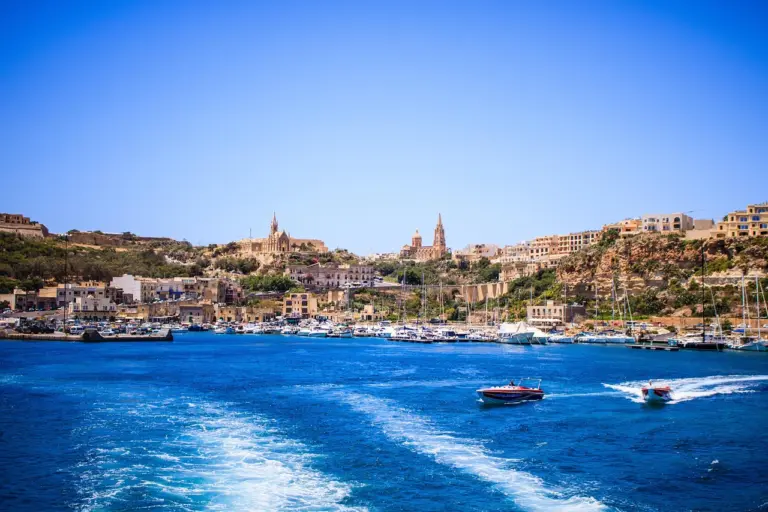
For a change of angle, take the ferry back out across the harbour: the crossing shows the whole line of bastions from the water and is the best photograph of the day. Sliema ferries leave from the Marsamxett side, and the Three Cities ferry crosses the Grand Harbour from the other side. Allow a relaxed margin for the crossing.
Where do you eat and what do you do in the evening?
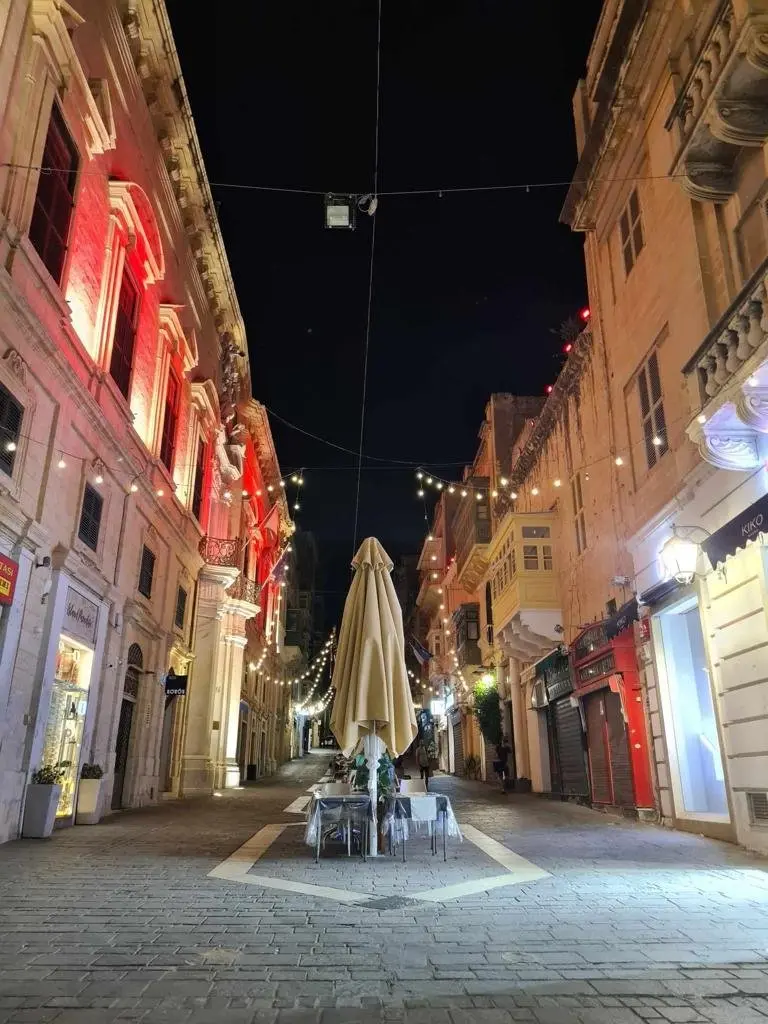
Eat lunch on a side street, not on Republic Street: the cross streets have small restaurants and wine bars with shorter menus and fairer prices. Try pastizzi, the flaky ricotta or pea pastries sold at counters and snack shops, for a quick, cheap break. For a sit-down meal order rabbit stew or local fish, and ask what the kitchen buys that day. Rooftop terraces and harbour-facing bars are good for sunset, but book ahead in summer.
Our tip: Valletta is home to several of Malta’s Michelin-starred restaurants. Among them are ION Harbour by Simon Rogan, the only restaurant in Malta with two stars, and Noni on Republic Street with one star. For a special evening, book well ahead.
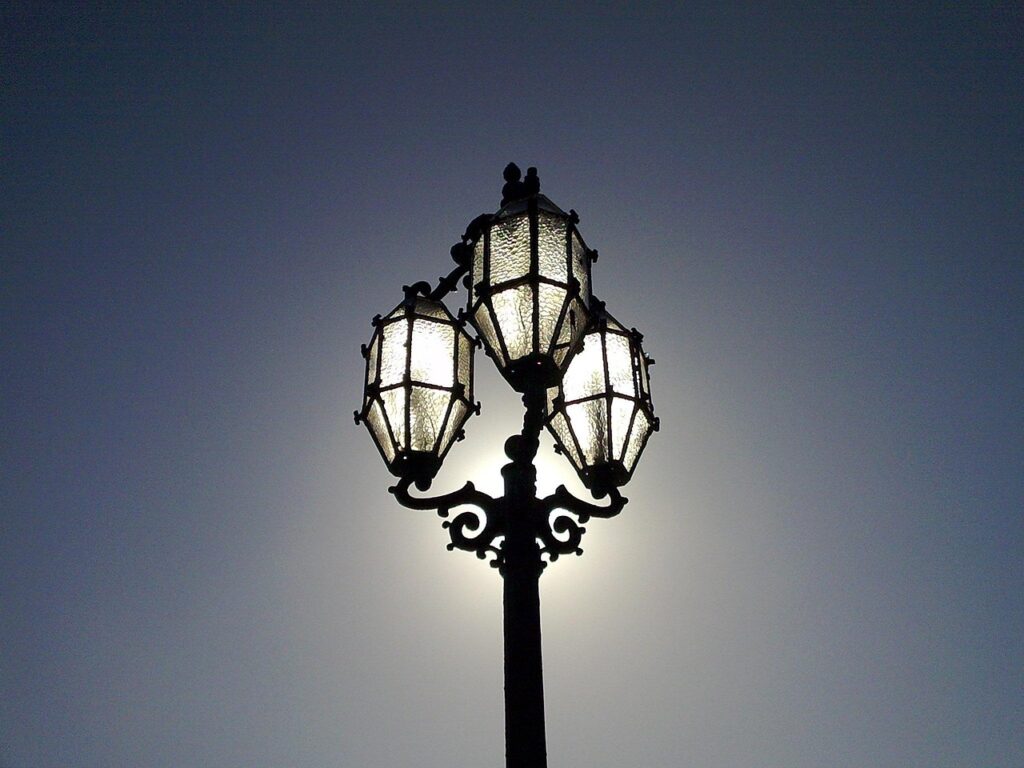
After dinner, walk to Strait Street, once the nightlife street of the city and today a lane of bars and live music. It runs parallel to Republic Street, a few blocks away. End the evening at the Upper Barrakka terrace if the lift is still running, or walk back to the ferry. If you stay late, remember the evening ferry tariff after 19:30.
Street map in words: how is Valletta laid out?
Valletta is a grid, so it is hard to get lost. This is the order from entrance to tip:
- City Gate and Triton Fountain: the entrance, with the bus terminus just outside.
- Republic Street: the main street from City Gate to Fort St Elmo, with the cathedral and the palace both a short walk off it.
- Merchants Street: the quieter parallel street with market stalls and everyday shops.
- Strait Street: the narrow lane for evening drinks, parallel to the main street.
- Upper Barrakka Gardens: on the Grand Harbour side, near the middle of the walls.
- Hastings Gardens: on the opposite, Marsamxett side.
- Fort St Elmo: the far tip of the peninsula, the end of the line.
Cross streets run down to the water on both sides. Many of them are stepped, which is why walking shoes matter more than a map.
FAQ
Can you do Valletta in one day?
Yes, if you keep the plan to the streets, the gardens and one fortress. A day is enough for the grid, the main street, Upper Barrakka and the harbour views. You will not have time for a full visit to the cathedral and the palace as well, so choose one of them or plan a second day.
Is Valletta good for walking with children?
Yes, but expect steps and cobbles. Children under 10 ride the Upper Barrakka lift for free and pay a reduced fare on the Sliema ferry. A buggy is awkward on the side streets, so bring a carrier if you can.
How much does the Valletta ferry cost?
From Sliema the ferry costs 3.00 EUR one way and 5.00 EUR return for adults, and 1.00 EUR one way for children. The evening tariff after 19:30 is 3.50 EUR one way and 5.20 EUR return. Departures are every 30 minutes.
When is the best time to walk through Valletta?
Early morning and late afternoon. Midday in summer is hot on the stone streets and shade is limited. The evening is calmer and the light on the bastions is at its best, though a few shops and sights close early.
What should you wear in Valletta?
Flat shoes with grip and light clothing in summer. If you plan to enter a church, cover your shoulders and knees. St John’s Co-Cathedral asks visitors to dress appropriately and does not allow stilettos.
Plan the rest of your stay
If you want a base close to the Sliema ferry, we arrange holiday apartments in Sliema and St. Julian’s: see our Malta holiday apartments. From there a morning ferry puts you at City Gate in time for coffee on Republic Street.
Image credits: Zoltan Tasi, Unsplash; Travelissimo; Pixabay / balichaca; Pixabay / bisonte
Sources (7)
Prices, times and rules in this article come from these sources. Last checked: October 29, 2026.
- transport.gov.mt / maritime/ports-commercial/barrakka-lift-826
- publictransport.com.mt / en/fares
- heritagemalta.mt / opening-hours
- stjohnscocathedral.com / visit
- guide.michelin.com / en/mt/valletta/restaurant/noni
- mta.com.mt / news/michelin-guide-2026-destination-high-quality-gastron...
- en.wikipedia.org / wiki/List_of_Michelin-starred_restaurants_in_Malta
 Night Trains in Europe: Routes, Prices and Compartments
 Holiday Apartment or Hotel? How to Choose and Book Well
 Best Beaches in Europe 2027: Eight Beaches and How We Chose Them
 Most Popular Cities in Europe 2027 and When to Go