8 min read · Published: September 2, 2023 · Updated: October 29, 2026 · Prices and details checked: October 2026
Three days are enough to see the main sights of Istanbul if you group them by district instead of crossing the city back and forth. Spend day one in Sultanahmet, day two at the bazaars and on the Bosphorus, and day three in one of the quieter corners of the Golden Horn or on the Princes’ Islands. The plan below shows the order, the tickets worth knowing about and how to get around.
Key takeaways
- Day 1 covers Sultanahmet on foot: Hagia Sophia, Blue Mosque, Basilica Cistern and Topkapı Palace sit within walking distance of each other.
- Foreign visitors pay 25 € for Hagia Sophia. The Topkapı ticket including the Harem and Hagia Irene costs 2750 ₺ and is sold only on site.
- The Museum Pass Istanbul is valid for 5 days (120 hours) from the first entry, so it only pays off if you visit several state museums in that window.
- An Istanbulkart costs 165 ₺ for the card itself and works on trams, metro, buses and public ferries.
- Day 3 is for choosing: Balat and Büyük Valide Han, SantralIstanbul, or a ferry to Büyükada on the Princes’ Islands.
Table of contents
- How should you split three days in Istanbul?
- Day 1: What should you see in Sultanahmet?
- Day 2: How do you combine the bazaars with a Bosphorus ferry?
- Day 3: Which quiet corners are worth the time?
- How do you get around Istanbul?
- What should you know about safety and etiquette?
- What should you eat in Istanbul?
- FAQ
- Where to go next
How should you split three days in Istanbul?
Plan by district: Sultanahmet on day one, the bazaars, Bosphorus and Galata on day two, and one quieter area on day three. The old city sits on the European side, south of the Golden Horn, and most of its sights are close enough to walk. Crossing to Galata, Karaköy or the Asian shore needs a tram, metro or ferry, so keep those for one day.
Day 1: What should you see in Sultanahmet?
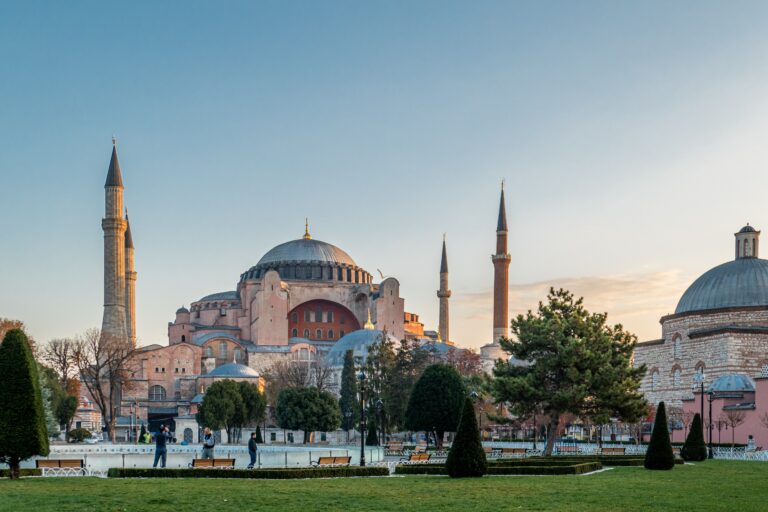
Begin with Hagia Sophia, then the Blue Mosque, the Basilica Cistern and Topkapı Palace, in that order. They are all within a few minutes on foot, and together they fill a full day.

Hagia Sophia. The building dates to the sixth century and has served as a church, a mosque, a museum and, since 2020, a mosque again. Foreign visitors pay 25 € and can enter since 15 January 2024. Plan about an hour and dress modestly, with shoulders and knees covered.
Blue Mosque. The Sultan Ahmed Mosque, built in the early 17th century, is known for its six minarets and the blue tiles inside. It is an active place of worship and closes to visitors around the five daily prayers, so check the time before you queue. Take off your shoes at the entrance.
Basilica Cistern. This underground water reservoir from the sixth century is a cool break from the midday heat, with a forest of columns lit from below. Buy your ticket through the official museum site to avoid street sellers who add a markup.
Topkapı Palace. The sultans ruled from here for roughly four centuries. The combined ticket for the palace including the Harem and Hagia Irene costs 2750 ₺, is valid for one day and can only be bought at the entrance. Allow three to four hours, and do not skip the terraces, which look out over the Bosphorus.
If you plan to visit several state museums in these days, check the Museum Pass Istanbul on the official museum site: it is valid for 5 days from the first entry. The price was not confirmed when we checked, so compare it with the single tickets before you buy.

Combine these places with a beach stay on the Turkish Riviera
All-inclusive resorts and city hotels around Antalya, Side and Alanya.
Show Turkey offersDay 2: How do you combine the bazaars with a Bosphorus ferry?
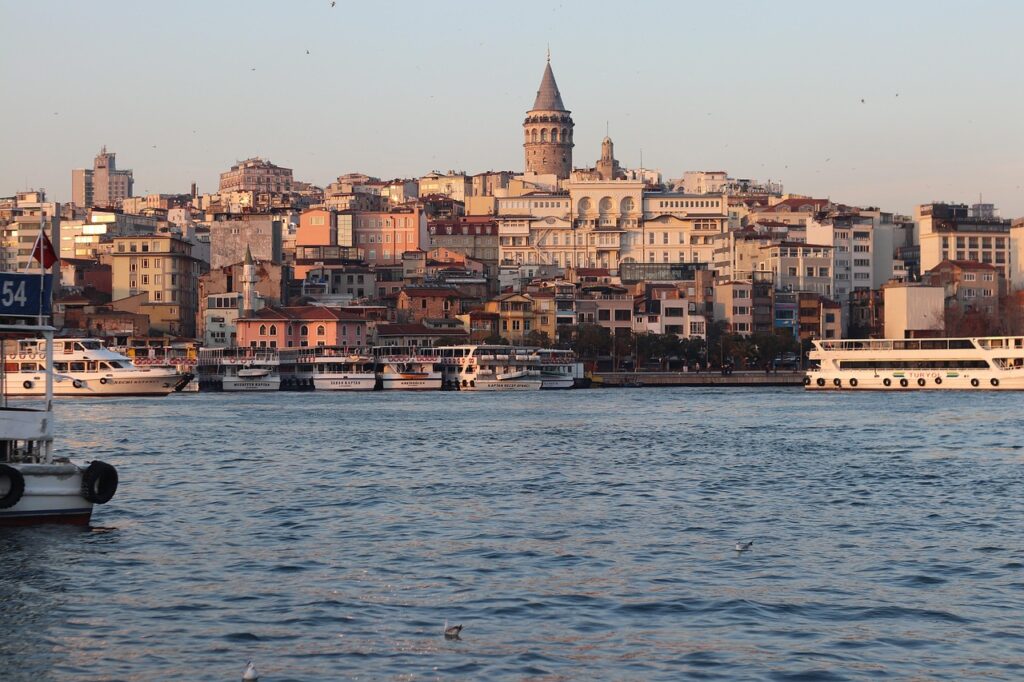
Do the bazaars in the morning, then take a public ferry on the Bosphorus in the afternoon, and finish at Galata Tower for sunset. Bazaars are busiest around midday, and the ferry gives you the skyline without a tour price.

The Grand Bazaar is a covered market with a maze of lanes grouped by trade, from jewellery to textiles and ceramics. Go in with a rough idea of what you want, compare prices at two or three stalls and haggle politely.
The Spice Bazaar (Egyptian Bazaar) near the Eminönü waterfront is smaller and easier to handle. It sells spices, dried fruit, nuts and sweets, and it is a good place to buy gifts that travel well. For handmade ceramics and textiles in a calmer setting, the Arasta Bazaar beside the Blue Mosque is an option.
From Eminönü you can board a public ferry across the Bosphorus, for example towards Kadıköy on the Asian side. Fares and timetables change, so check them with the ferry operator Şehir Hatları on the day. The crossing is the cheapest way to see the waterfront palaces, mosques and wooden mansions from the water.
Back on the European side, climb to Galata Tower in the late afternoon. A single ticket costs 30 € and is valid for one visit on the day of purchase. The observation deck faces the old city, the Golden Horn and the Bosphorus, and the light is best in the last hour before sunset.
Day 3: Which quiet corners are worth the time?
Choose one of three options, depending on how much time you have and how much walking you want. Each is far less crowded than Sultanahmet.
- Büyük Valide Han and Balat. The Büyük Valide Han is a 17th century caravanserai in the Eminönü and Mercan area near the Grand Bazaar. Its courtyards are a quiet contrast to the bazaar next door. From there you can go on to Balat on the Golden Horn, a neighbourhood of steep streets, painted houses, antique shops and small cafés.
- SantralIstanbul. A former power station on the Golden Horn, now a contemporary art and exhibition space with gardens. Check the current exhibitions before you go, since the programme changes.
- Princes’ Islands. Take the ferry to Büyükada, the largest of the nine islands. Motor vehicles are not allowed there, so you explore by foot, bicycle or horse carriage. Leave early and allow a full day.
How do you get around Istanbul?
Use trams, the metro and ferries with an Istanbulkart, and walk inside Sultanahmet. The card costs 165 ₺ and is loaded with credit for each ride. You can use it on public transport across the city, and it is cheaper and simpler than buying single tokens.
Taxis are common, but insist on the meter. For short hops between Sultanahmet and Galata, the tram is faster than a taxi in most traffic. Ferries are the most relaxing connection between the European and Asian shores.
What should you know about safety and etiquette?
Istanbul is a large city where the main risks are petty ones: pickpockets in crowded places and street touts who offer tours or shoe-shine “gifts” to start a conversation. Decline politely and keep bags closed in trams and bazaars.
Dress modestly for mosques and take off your shoes. Many mosques provide shoe racks or plastic bags at the entrance. For entry rules for your passport, check the official e-visa site of the Turkish government before you book, as requirements depend on nationality.
What should you eat in Istanbul?
Eat simit from a street cart for breakfast, a lunch of kebab or köfte at a lokanta, and a baklava or künefe in the afternoon. Lokantas are the plain, local restaurants with daily dishes on display, and they are usually better value than places directly facing the major monuments.
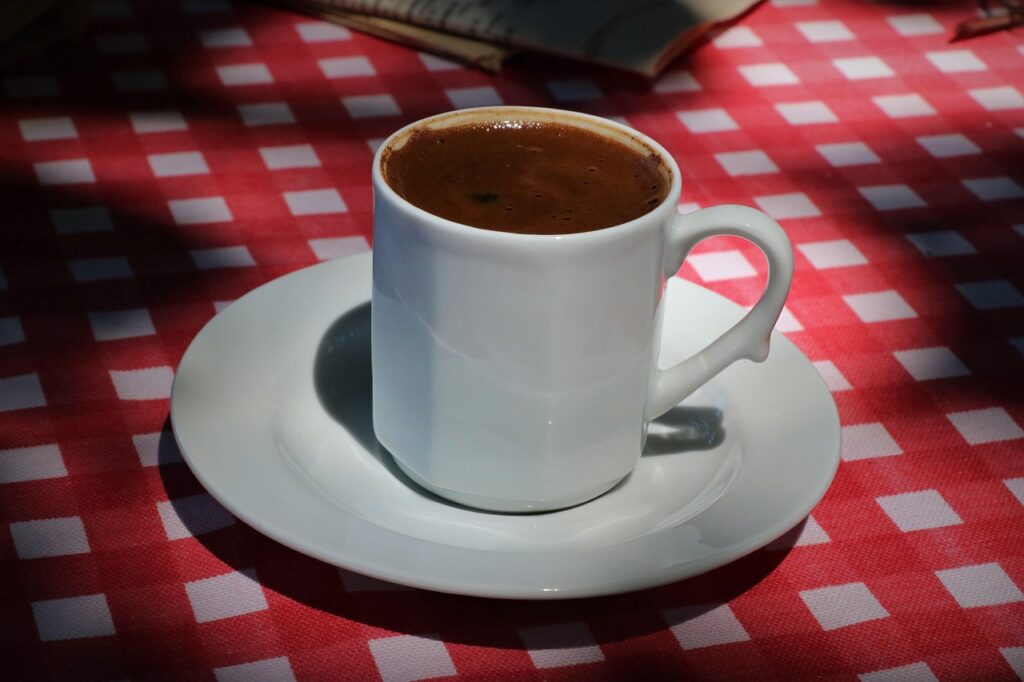
For the evening, a meyhane serves meze and rakı and is a good way to spend a long dinner.
FAQ
Is three days enough for Istanbul?
Yes, for the main sights. Three days cover Sultanahmet, the bazaars, the Bosphorus and one quieter district. You will not see every museum, so pick the ones that interest you most and leave the rest for a second visit.
Is the Museum Pass Istanbul worth it?
It depends on how many state museums you plan to visit. The pass is valid for 5 days (120 hours) from the first entry. Add up the single tickets for your planned stops and compare them with the pass price on the official museum site before you decide.
How much do the big sights cost?
Hagia Sophia costs 25 € for foreign visitors. The Topkapı Palace ticket including the Harem and Hagia Irene is 2750 ₺ and sold on site only. Galata Tower costs 30 € for a single visit. Prices are adjusted regularly, so check the operator’s page before you go.
Which area is best to stay in?
Sultanahmet suits a first visit with a short list of sights, because most of them are within walking distance. Galata, Karaköy and Beşiktaş are livelier in the evening and are connected by tram and ferry. Book early for spring and autumn, when demand is high.
What is the best time to visit Istanbul?
Spring and autumn offer mild weather for walking. Summers are hot and humid, and winters are cold and rainy, which also means fewer crowds at the major sights.
Where to go next
If you plan a longer trip, combine Istanbul with Cappadocia and Ephesus on the cultural route through Turkey, and see our tips on travelling Turkey on a budget for cheaper ways to get around. If you want help with flights and hotels, we arrange trips worldwide through our booking service.
Image credits: Osman Koycu, Unsplash; Pixabay / smuldur; Rumman Amin, Unsplash; Collab Media, Unsplash; Pixabay / jbonfil
Sources (5)
Prices, times and rules in this article come from these sources. Last checked: October 29, 2026.
 Sicily Without a Car: Getting Around by Train and Bus
 Italy Train Travel: Routes, Tickets and Saver Fares
 Garden Route Itinerary: Stages for Seven to Ten Days
 Train or Plane in Europe: Time, Cost and Comfort Compared